

How to Choose the Right Bearing Seal for Your Industrial Equipment?
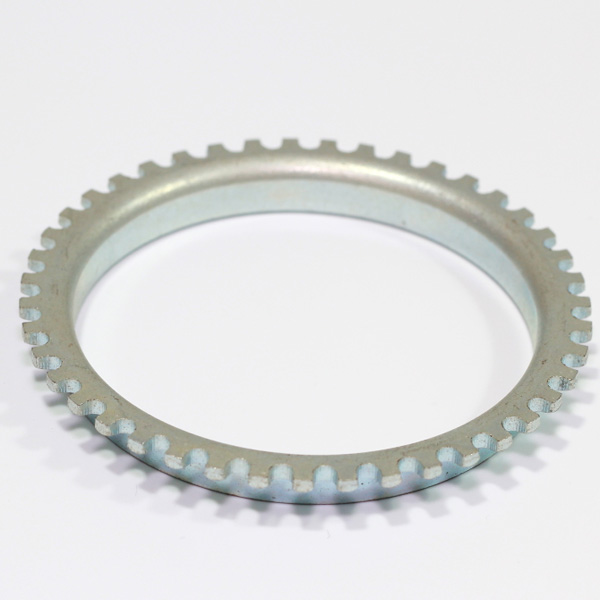
Bearings are critical to the operation of countless industrial and automotive equipment, and the performance of bearings depends largely on the bearing seal. Choosing the wrong bearing seal can lead to premature bearing failure, frequent downtime, increased maintenance costs, and even equipment damage. With so many types, materials, and designs available, selecting the right bearing seal can be a daunting task. As a leading bearing seal manufacturer with over 20 years of experience, GS Sealing has helped countless customers choose the perfect bearing seal for their specific applications. This article will guide you through the key factors to consider when selecting a bearing seal, focusing on practical tips, material selection, and industry best practices—with a focus on GS Sealing’s popular products such as the Ford rear wheel oil seal (51322) and hub unit magnetic encoder bearing seal.
The first and most important factor to consider when choosing a bearing seal is the operating environment. This includes the type of contaminants the seal will face, the operating temperature, and the presence of corrosive media. For example, if your equipment operates in a dusty or dirty environment (such as construction machinery), a contact-type bearing seal with a dust lip is ideal, as it provides a tight barrier against solid particles. If the equipment is exposed to water or moisture (such as marine or water treatment applications), a seal with excellent water resistance—made of EPDM or Viton—is recommended. For high-temperature applications (above 100℃), such as automotive engine components, Viton or PTFE seals are preferred, as they maintain their elasticity and sealing performance at high temperatures. Conversely, for low-temperature environments (below 0℃), PTFE or silicone seals are better, as they do not stiffen like NBR or Viton.
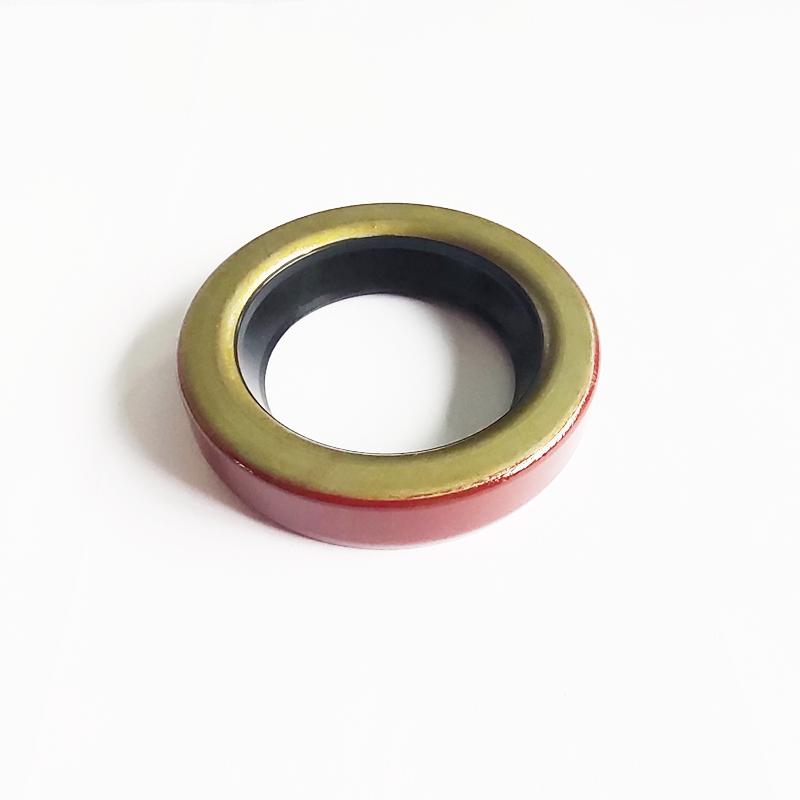
The second key factor is the type of bearing and its application. Different bearings (ball bearings, roller bearings, hub units) have different sealing requirements, depending on their design and function. For example, automotive wheel hub units require specialized bearing seals that not only prevent contamination but also integrate with ABS systems—such as GS Sealing’s hub unit magnetic rotary encoder bearing seal, which provides both sealing and speed signal generation. Rear wheel axles, on the other hand, require oil seals with strong oil resistance and pressure resistance, like the Ford rear wheel oil seal (51322), which features a spring-loaded single lip to ensure tight sealing. For high-speed bearings (such as those in motors), non-contact seals (like metal shields) are better, as they reduce friction and do not limit the bearing’s speed.
The third factor is the seal type, which is closely tied to the operating conditions and bearing type. Contact seals are ideal for applications requiring maximum sealing performance, as they block both lubricant leakage and small contaminants. However, they generate more friction and may reduce the bearing’s maximum speed by up to 40%. Non-contact seals, such as metal shields and labyrinth seals, are better for high-speed applications, as they have negligible friction but provide less protection against small contaminants. When choosing between the two, balance the need for sealing performance and speed: contact seals for dirty, low-speed applications, and non-contact seals for clean, high-speed applications.
Material selection is another critical consideration when choosing a bearing seal. The seal material must be compatible with the lubricant and the operating environment. Common materials include: NBR (nitrile rubber), which is cost-effective and has excellent oil resistance—ideal for automotive oil seals and general industrial applications; Viton, which offers high-temperature resistance (up to 230℃) and chemical resistance—suitable for high-temperature and corrosive environments; PTFE, which has low friction, chemical resistance, and low-temperature performance—ideal for high-speed and corrosive applications; and EPDM, which has excellent weather and water resistance—suitable for outdoor and wet applications. GS Sealing offers bearing seals in all these materials, with customizable options to meet specific requirements.
Additionally, you should consider the installation space and maintenance requirements. Some bearing seals are designed for compact spaces, such as miniature seals for small motors, while others are larger and more robust for heavy-duty equipment. Maintenance is also a key factor: contact seals may require more frequent replacement due to wear, while non-contact seals (like metal shields) are more durable and require less maintenance. GS Sealing’s bearing seals are designed for easy installation and maintenance, with pre-assembled options available for some models to reduce installation errors.
As a professional bearing seal manufacturer, GS Sealing offers a wide range of bearing seals, including automotive oil seals (such as the 51322 Ford rear wheel oil seal), magnetic encoder bearing seals, shock absorber lip seals, and industrial bearing seals. Our team of experts can help you select the right seal based on your equipment’s operating conditions, bearing type, and performance requirements. We provide OEM and wholesale services, with strict quality control to ensure that each seal meets the highest standards of reliability and durability.
In summary, choosing the right bearing seal requires careful consideration of the operating environment, bearing type, seal type, material selection, installation space, and maintenance requirements. By following these guidelines, you can select a bearing seal that protects your bearings, extends equipment service life, and reduces downtime and maintenance costs. GS Sealing is here to help you every step of the way, providing high-quality bearing seals and professional advice to meet your industrial needs.
Hot Products
-
 View More
-
 View More
PTFE Lip Oil Seals for Air Compressor - Professional Manufacturer Supply
-
 View More
Bearing Seals & Gaskets Manufacturer - China OEM Factory Supplier
-
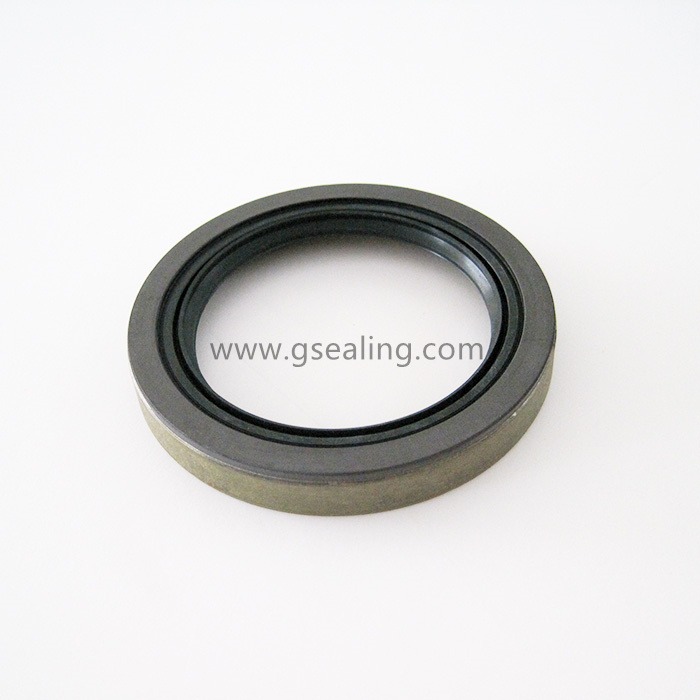 View More
Magnetic Seals | Magnetic Abs OEM Bearing Seals China Manufacturer
-
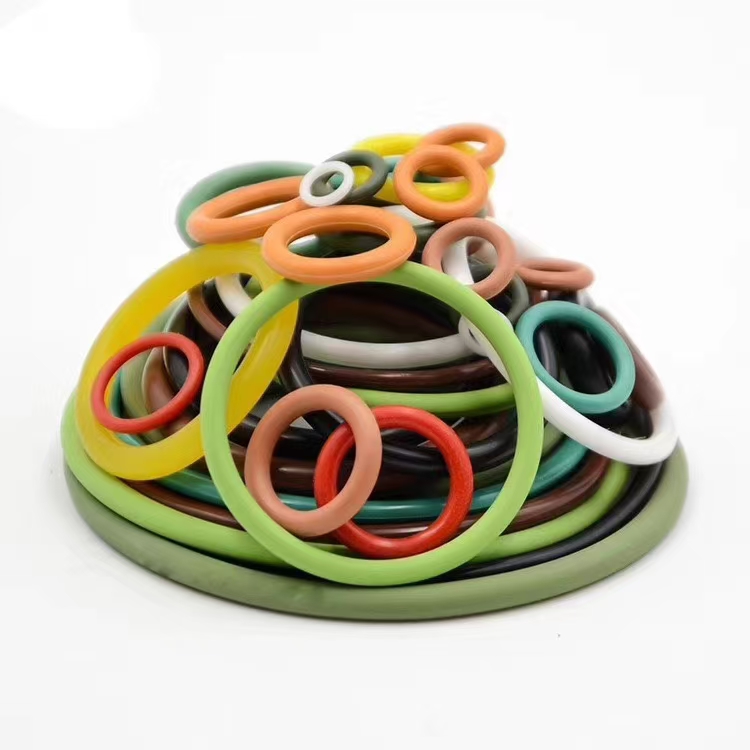 View More
EPDM Rubber O-Ring Seal Factory | Custom Sizes China Manufacturer
-
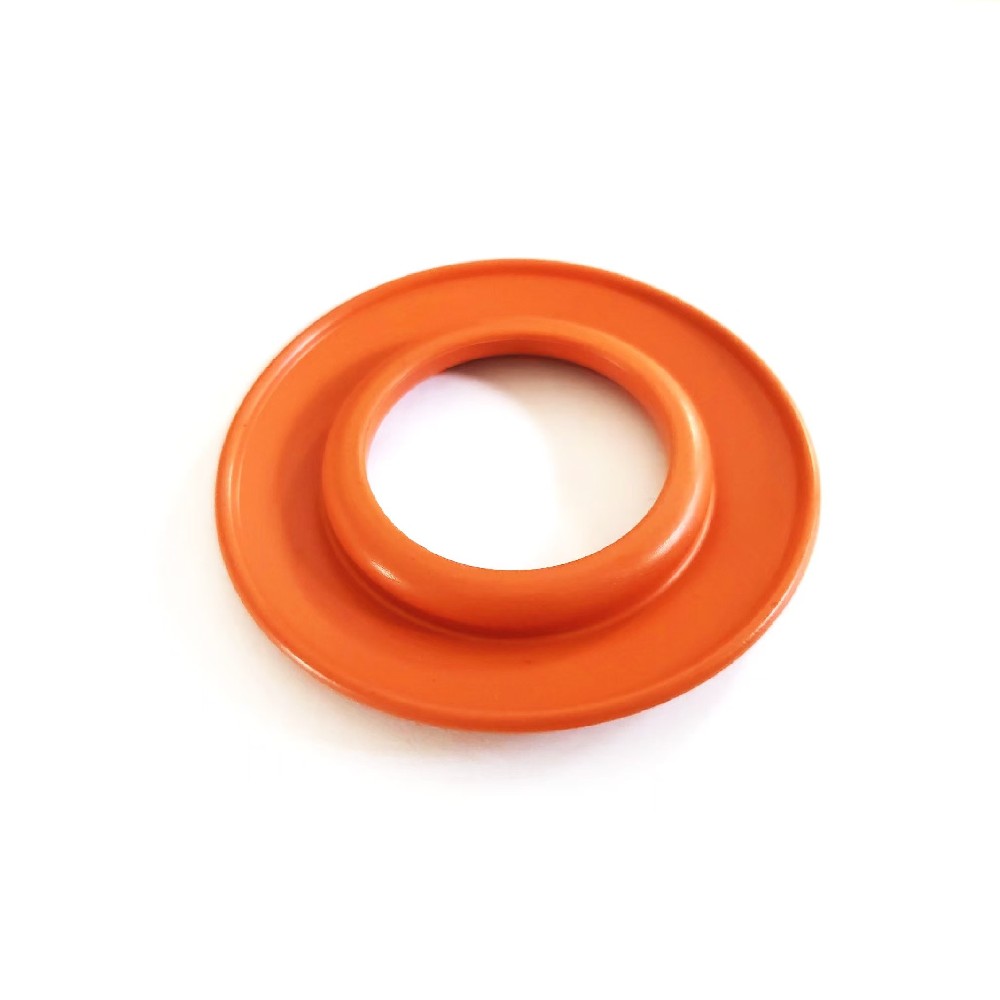 View More
Rubber Check Valve for Automotive Oil Filter - OEM Supplier
-
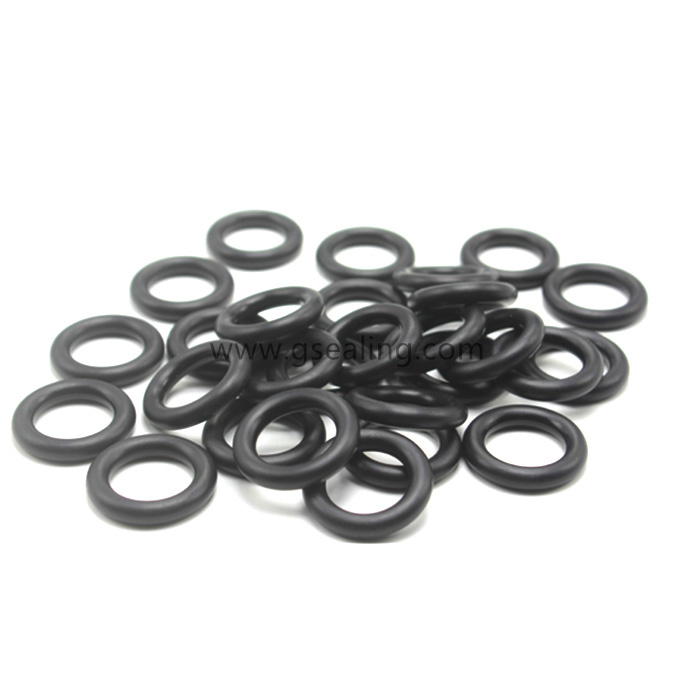 View More
HNBR O-Ring OEM Manufacturer | Hydrogenated Nitrile Seals China
-
 View More
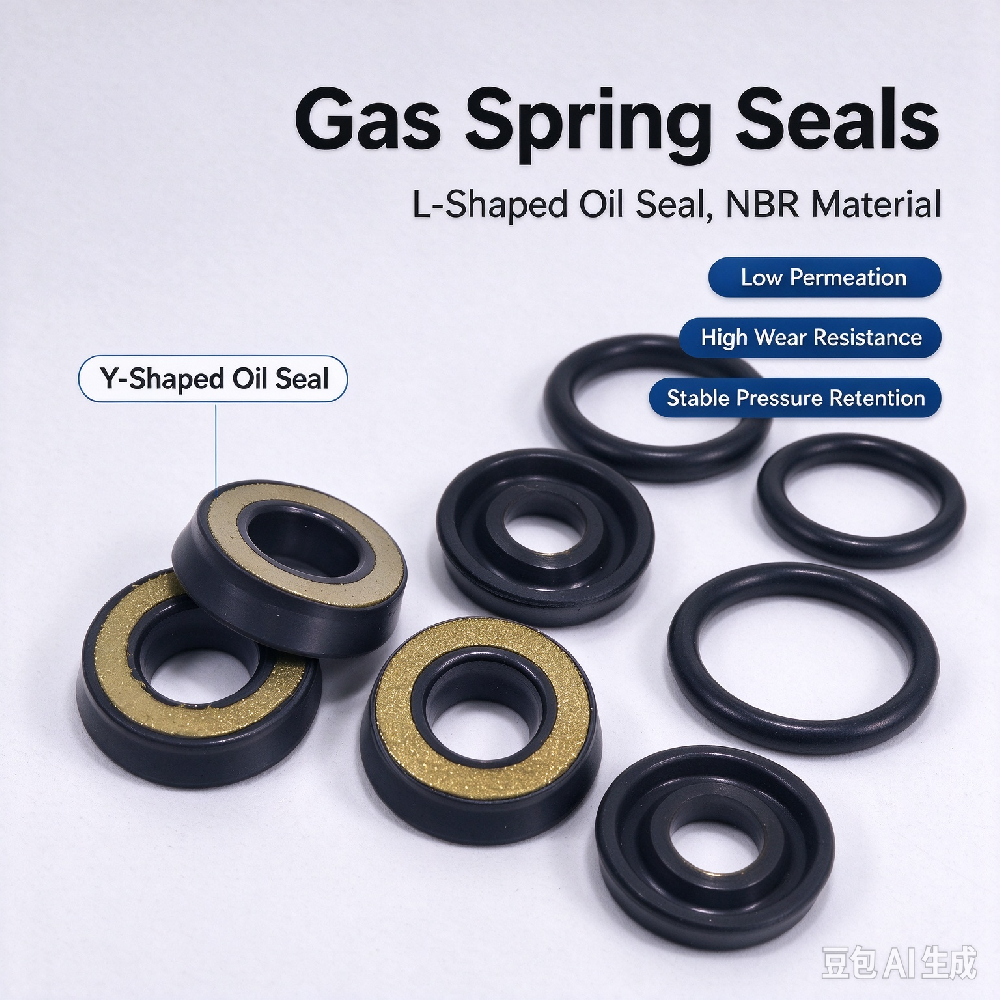
L type Gas Spring Seals /Manufacturer/Factory Supply/OEM high quality
-
 View More
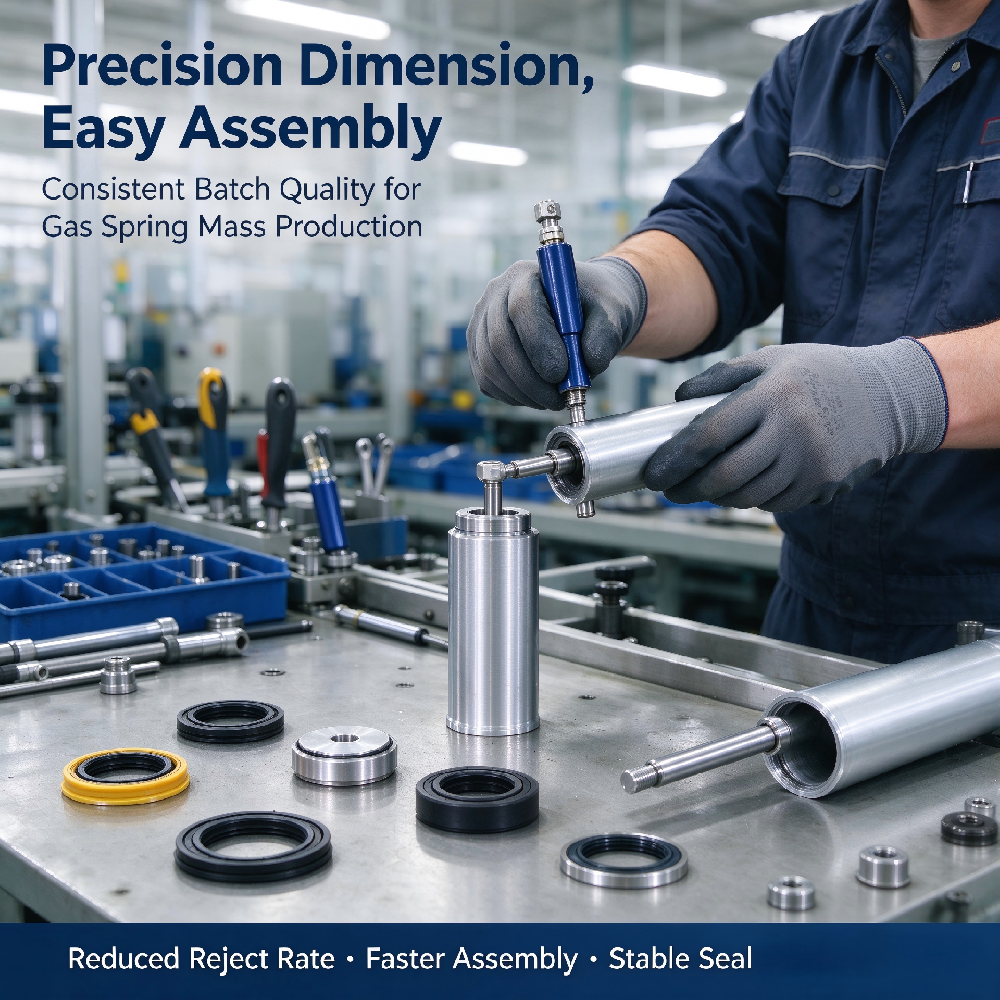
Y-Type High pressure Gas Spring Oil Seal 10×24×3.5mm, OEM Gas Spring Sealing Component for Gas Spring Manufacturers
-
 View More
24898 (SKF CRWA1) Oil Seal|Replacement for SKF Part Number 24898
-
 View More
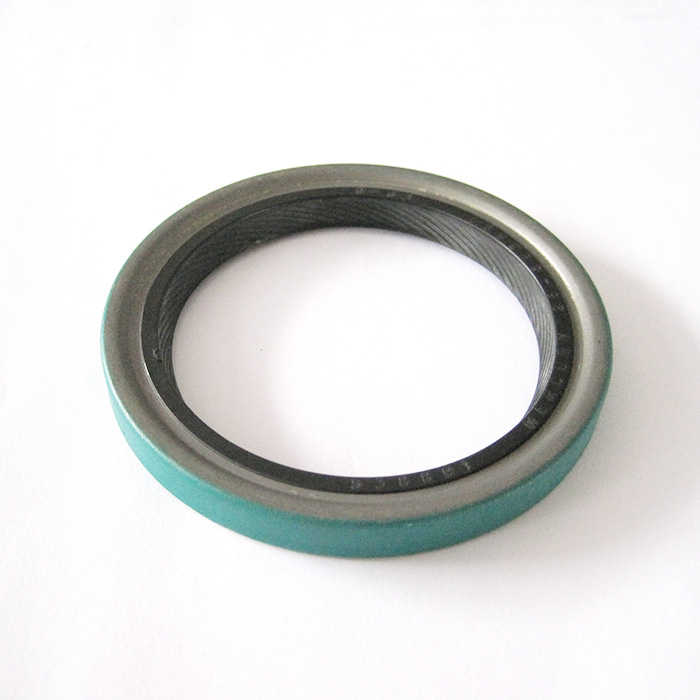
24863 Radial Shaft Oil Seals Single Lip withe metal case
-
 View More
TC Rubber Lip Oil Seal Manufacturer | TC Type Oil Seal Supplier
-
 View More
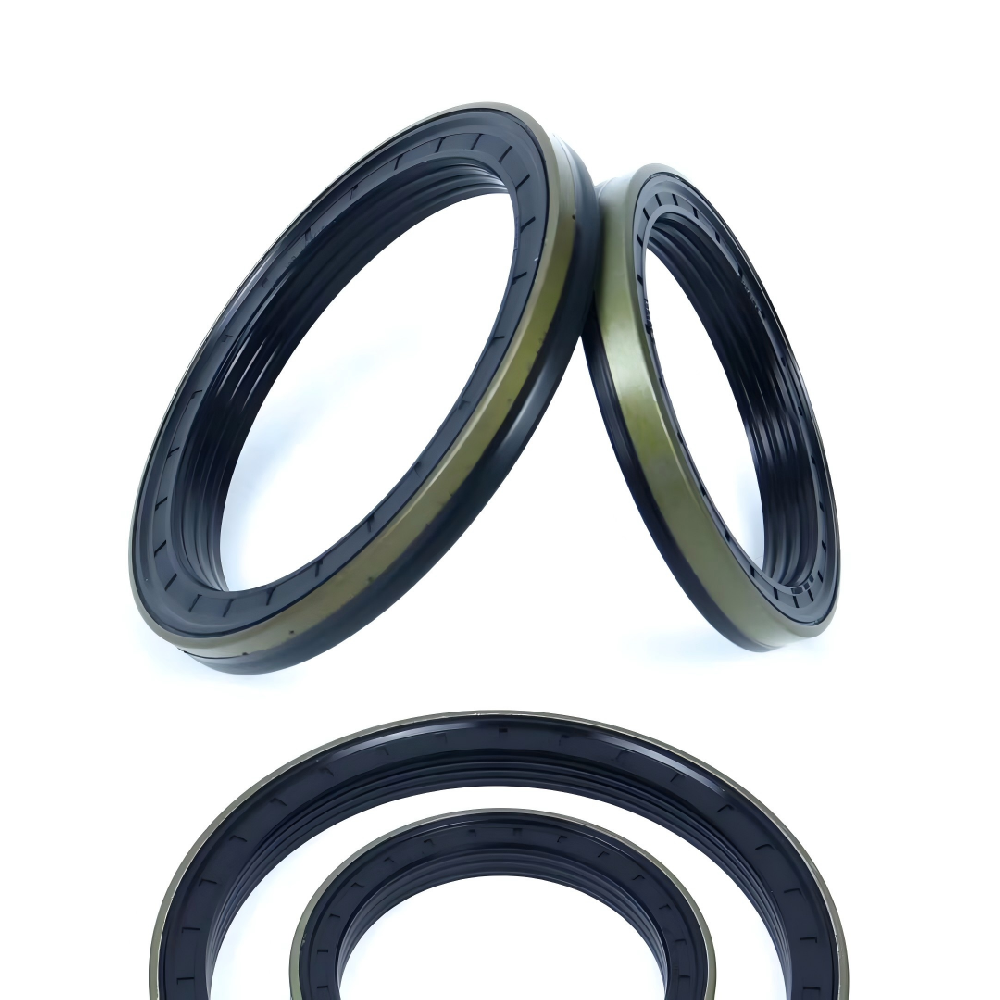
John Deere RWDR Cassette Oil Seal - OEM Manufacturer
-
 View More
Valley Valmont Gearbox Oil Seal - Irrigation OEM Supplier
-
 View More
Custom Shock Absorber Oil Seals | OEM Manufacturer | IATF16949 Damper Seals for OEM Factories

Do you have a question? Feel free to contact!
 Tel:
+8613967511577
Tel:
+8613967511577
 E-mail:
sale@gsealing.com
E-mail:
sale@gsealing.com
 Add:
Cixi,Ningbo ,zhejiang, 312300, China.
Add:
Cixi,Ningbo ,zhejiang, 312300, China. 
Copyright © YIWU GREAT SEAL RUBBER PRODUCTS COMPANY All rights reserved.
OEM Rubber Driving belts Manufacturers
