

What Is a Bearing Seal? Working Principle, Types and Industrial Applications
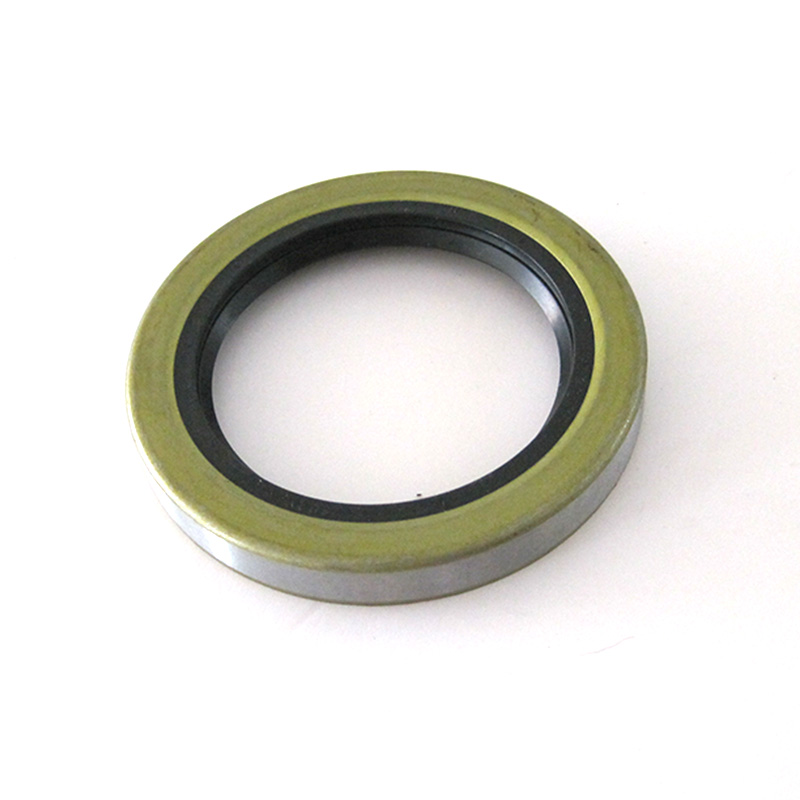
In the world of industrial machinery, bearings are the unsung heroes that enable smooth rotation, reduce friction, and support heavy loads. However, even the highest-quality bearings will fail prematurely without proper protection—and that’s where bearing seals come in. A bearing seal is a critical protective component, acting as a gatekeeper between a bearing’s internal components and the external environment. As a professional bearing seal manufacturer with over 20 years of experience, GS Sealing produces high-performance bearing seals, including hub unit magnetic rotary encoder bearing seals and automotive rear wheel oil seals, designed to extend bearing service life and ensure equipment reliability. This article will break down the core definition, working principle, main types, and wide-ranging applications of bearing seals, helping you understand their indispensable role in modern industrial operations.
First, let’s clarify the fundamental purpose of a bearing seal. A bearing seal is a protective barrier designed to close the gap between the stationary and moving parts of a bearing assembly. Its dual core functions are simple yet vital: retaining lubrication (such as grease or oil) inside the bearing to ensure smooth operation and preventing external contaminants—including dust, water, metal particles, and chemicals—from entering the bearing cavity. Without a reliable bearing seal, lubricant will leak out, leading to increased friction and wear, while contaminants will cause corrosion, scratching, and eventual bearing failure. In short, a bearing without a good seal is like a door without a lock: functional for a while, but ultimately vulnerable to damage.
The working principle of a bearing seal is rooted in creating a tight, durable barrier that adapts to the bearing’s operating conditions. Unlike complex mechanical seals, most bearing seals operate on simple yet effective mechanisms, primarily divided into contact and non-contact designs. Contact bearing seals work by using a flexible lip (usually made of rubber or composite materials) that makes direct contact with the rotating shaft or bearing inner ring. This lip is pressed against the surface by a spring or the inherent elasticity of the material, creating a tight seal that blocks both lubricant leakage and contaminant ingress. Non-contact bearing seals, by contrast, use a carefully designed small clearance or labyrinth path between the seal and the shaft, eliminating physical contact to reduce friction and heat generation—making them ideal for high-speed applications. Both designs leverage the principles of contact pressure, elastic recovery, or labyrinth阻流 to achieve reliable sealing performance.
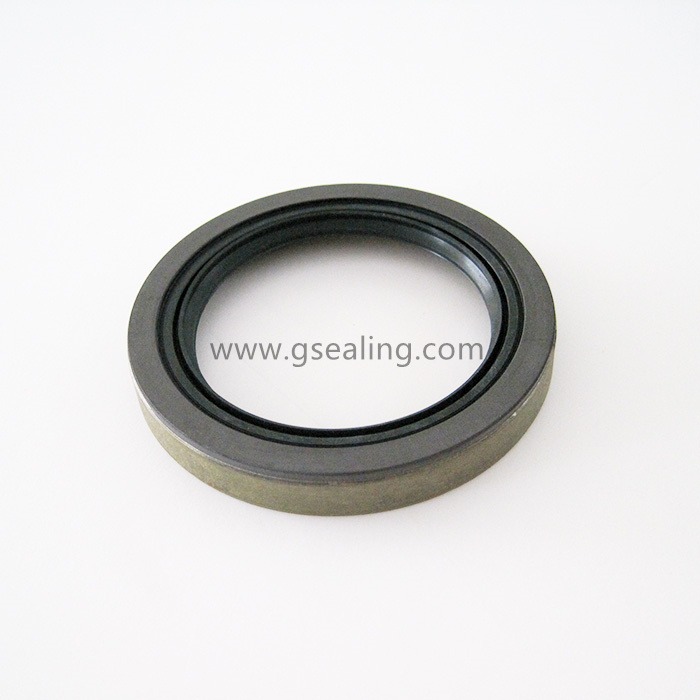
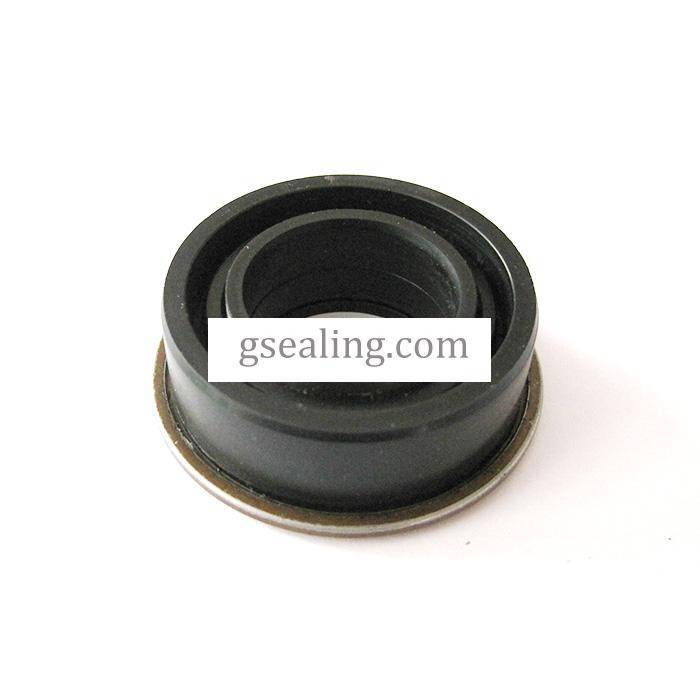
Bearing seals come in various types, classified by their design, material, and application scenario. The most common types include contact seals, non-contact seals, and specialized seals for specific industries. Contact seals are further divided into lip seals (such as TC, TG, and TA types) and rubber- bonded metal seals. These are widely used in automotive and industrial applications, as they provide excellent sealing performance in dirty, wet, or abrasive environments. For example, GS Sealing’s Ford rear wheel oil seal (model 51322) is a contact-type bearing seal with a spring-loaded single lip, designed to prevent oil leakage in automotive rear wheel axles. Non-contact seals include metal shields (ZZ type) and labyrinth seals; metal shields are thin metal plates that prevent larger particles from entering while reducing lubricant leakage, without increasing torque or limiting speed.
Specialized bearing seals, such as magnetic encoder bearing seals, combine sealing functionality with additional performance. GS Sealing’s hub unit magnetic rotary encoder bearing seal, for instance, is a high-precision component used in automotive wheel hub units and brake discs. It integrates a metal skeleton and magnetic rubber, not only providing reliable sealing but also generating accurate speed signals for ABS systems, with a built-in data correction area to ensure signal stability. Other specialized types include hydraulic bearing seals, which withstand high pressures, and shock absorber lip seals, designed for automotive and motorcycle shock absorbers with multi-lip structures and high elastic resilience.
The applications of bearing seals are extremely wide, covering almost every industry that uses rotating equipment. In the automotive industry, bearing seals are used in wheel hubs, rear axles, shock absorbers, and engine components—ensuring reliable operation in harsh conditions such as high temperatures, vibration, and exposure to road debris. In industrial machinery, they protect bearings in pumps, motors, gearboxes, and construction equipment, preventing contamination and lubricant loss. In the aerospace and marine industries, bearing seals must withstand extreme temperatures, pressure, and corrosive environments, requiring high-performance materials like Viton and PTFE. GS Sealing’s bearing seals are widely used in these fields, with customizable designs to meet the specific needs of each application.
When selecting a bearing seal, material choice is critical. Common materials include NBR (nitrile rubber) for oil resistance, Viton for high-temperature resistance (up to 230℃), PTFE for chemical resistance and low-temperature performance (down to -40℃), and EPDM for weather resistance. The choice of material depends on the operating environment: NBR is ideal for automotive oil seals, while Viton and PTFE are better suited for industrial applications with high temperatures or corrosive media. GS Sealing offers a full range of material options, ensuring that each bearing seal meets the unique requirements of its application.
In conclusion, bearing seals are essential components that protect bearings, extend equipment service life, and ensure operational reliability. Their simple yet effective working principle, diverse types, and wide applications make them indispensable in modern industry. As a professional bearing seal manufacturer, GS Sealing is committed to producing high-quality bearing seals—including magnetic encoder seals, automotive oil seals, and industrial bearing seals—with OEM and wholesale services available to meet the needs of global customers. Whether you are in the automotive, industrial, or aerospace industry, choosing the right bearing seal is key to maximizing equipment performance and minimizing maintenance costs.
Hot Products
-
 View More
-
 View More
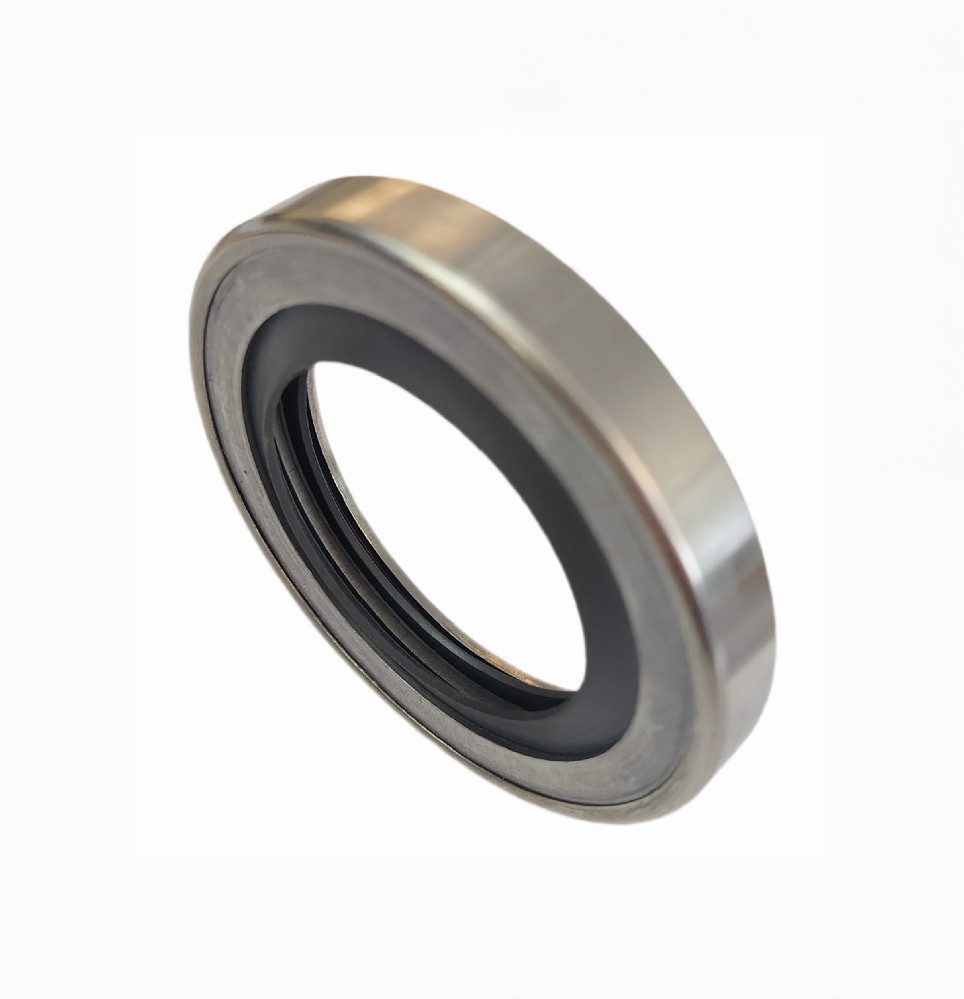
PTFE Lip Oil Seals for Air Compressor - Professional Manufacturer Supply
-
 View More
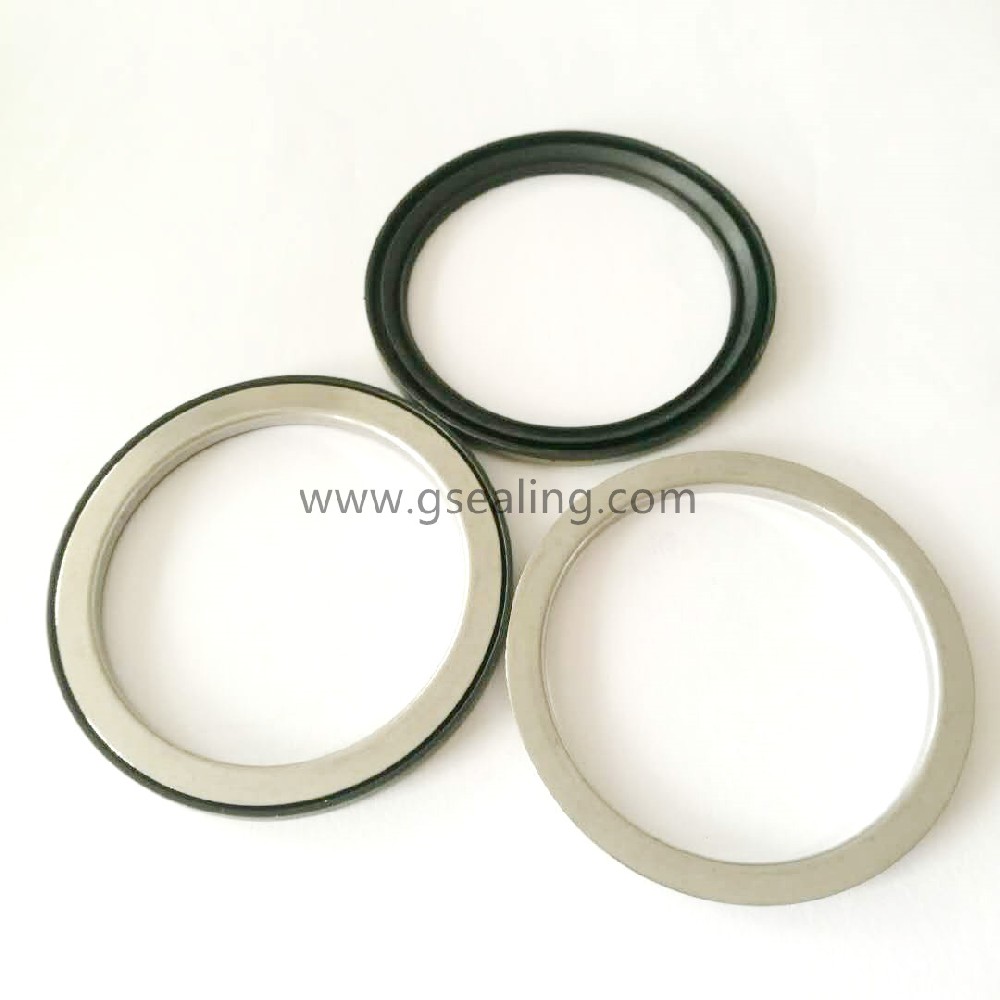
Bearing Seals & Gaskets Manufacturer - China OEM Factory Supplier
-
 View More
Magnetic Seals | Magnetic Abs OEM Bearing Seals China Manufacturer
-
 View More
EPDM Rubber O-Ring Seal Factory | Custom Sizes China Manufacturer
-
 View More
Rubber Check Valve for Automotive Oil Filter - OEM Supplier
-
 View More
HNBR O-Ring OEM Manufacturer | Hydrogenated Nitrile Seals China
-
 View More
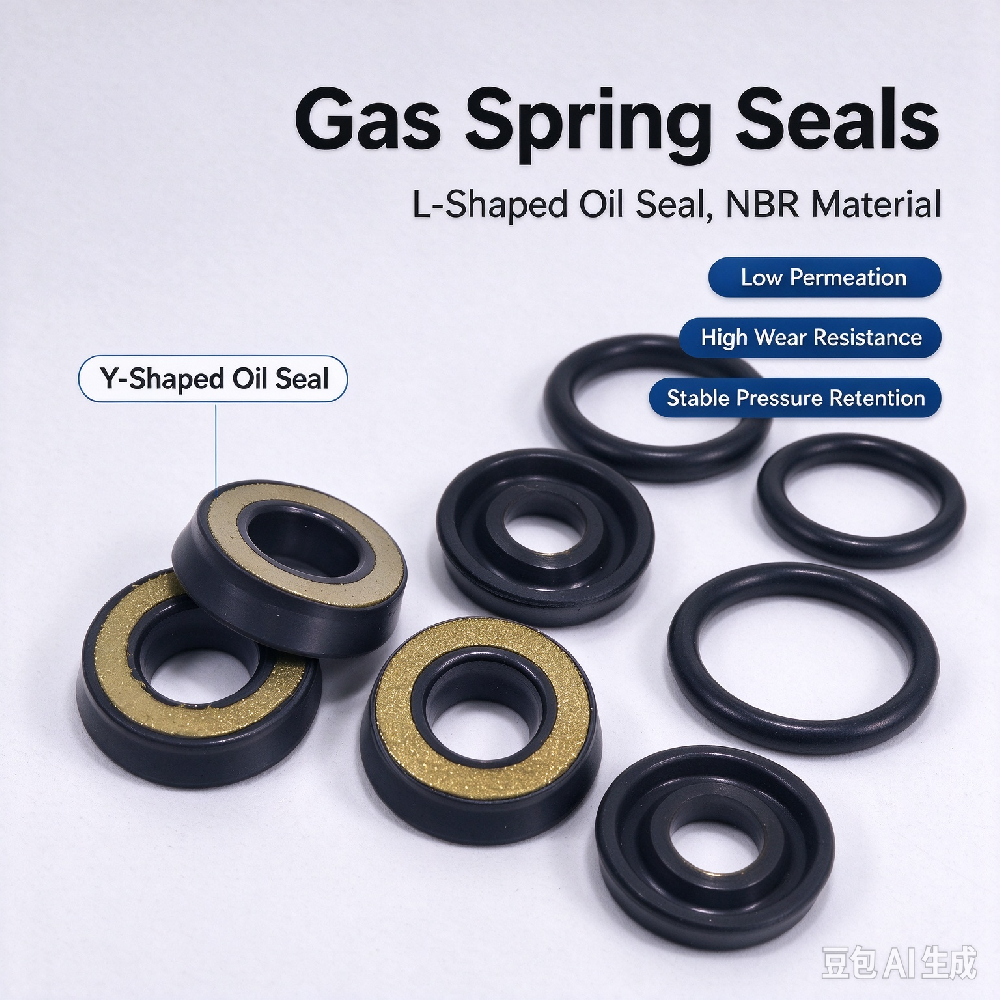
L type Gas Spring Seals /Manufacturer/Factory Supply/OEM high quality
-
 View More
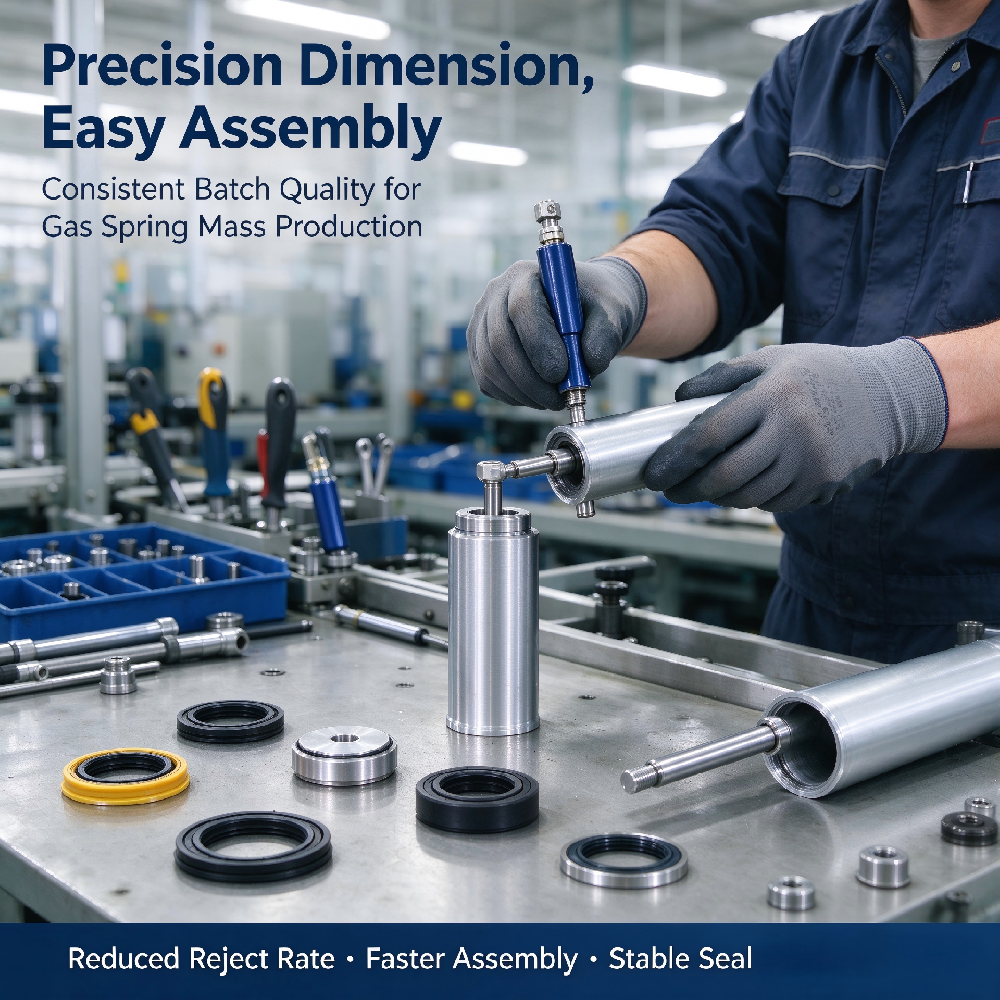
Y-Type High pressure Gas Spring Oil Seal 10×24×3.5mm, OEM Gas Spring Sealing Component for Gas Spring Manufacturers
-
 View More
24898 (SKF CRWA1) Oil Seal|Replacement for SKF Part Number 24898
-
 View More
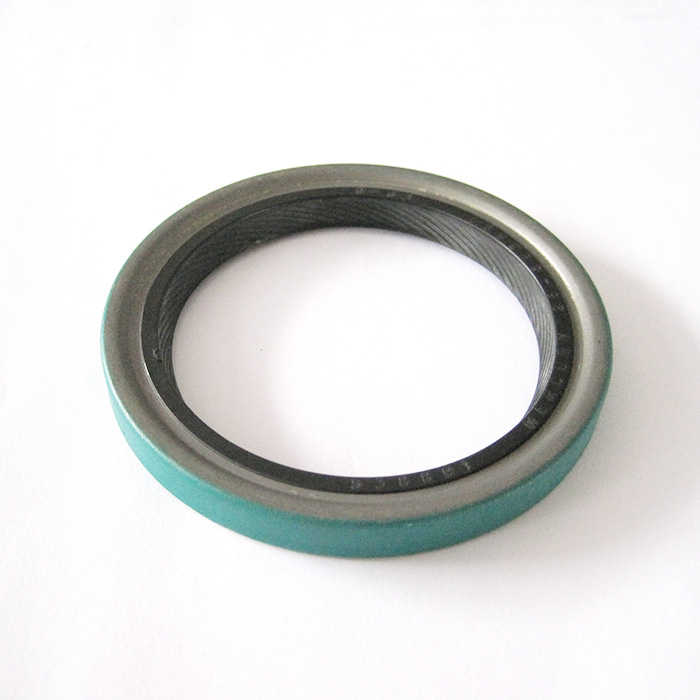
24863 Radial Shaft Oil Seals Single Lip withe metal case
-
 View More
TC Rubber Lip Oil Seal Manufacturer | TC Type Oil Seal Supplier
-
 View More
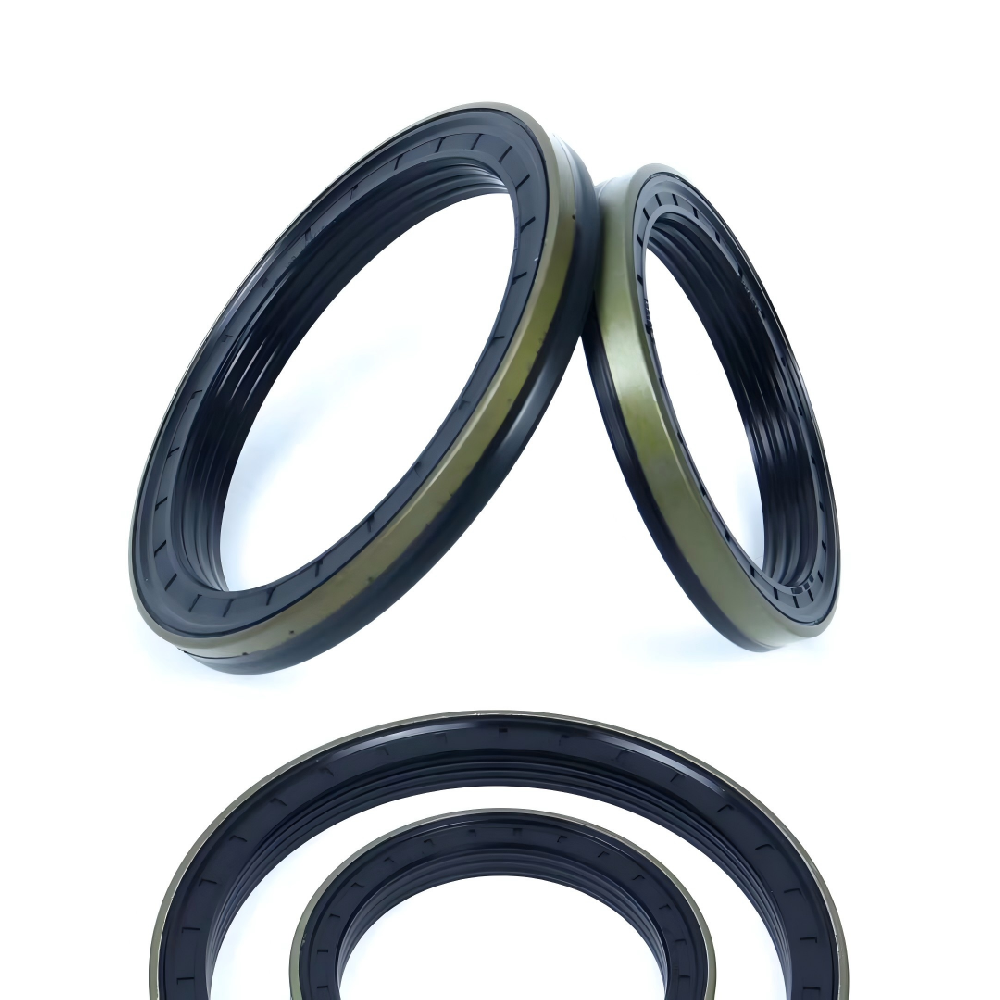
John Deere RWDR Cassette Oil Seal - OEM Manufacturer
-
 View More
Valley Valmont Gearbox Oil Seal - Irrigation OEM Supplier
-
 View More
Custom Shock Absorber Oil Seals | OEM Manufacturer | IATF16949 Damper Seals for OEM Factories

Do you have a question? Feel free to contact!
 Tel:
+8613967511577
Tel:
+8613967511577
 E-mail:
sale@gsealing.com
E-mail:
sale@gsealing.com
 Add:
Cixi,Ningbo ,zhejiang, 312300, China.
Add:
Cixi,Ningbo ,zhejiang, 312300, China. 
Copyright © YIWU GREAT SEAL RUBBER PRODUCTS COMPANY All rights reserved.
OEM Rubber Driving belts Manufacturers
