

Ford New Holland Half Sh Shaft Seal Retainer – The Unsung Hero of a Dry Rear Axle
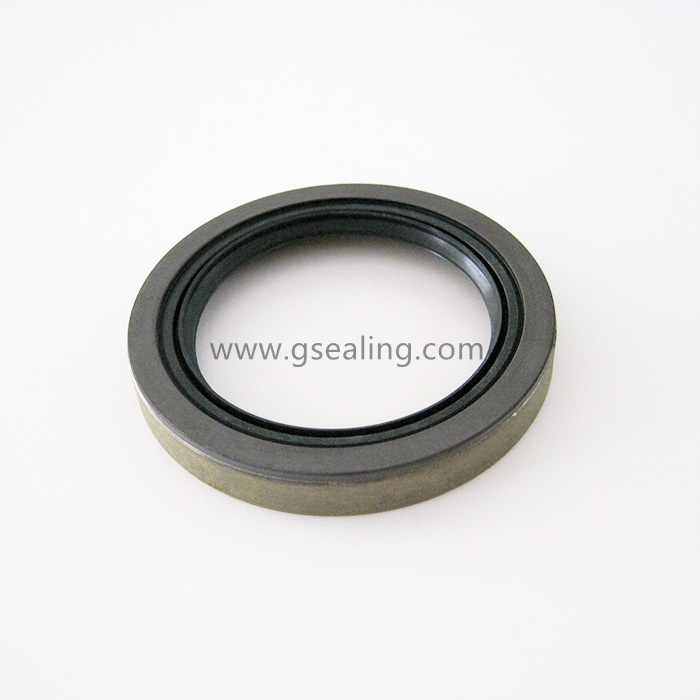
If you’ve ever battled a persistent oil leak on the rear axle of a Ford or New Holland tractor (models such as the 3910, 4610, 5610, 6610, 7610, 8210, or the newer TS, TM, and T6000 series), you’ve likely encountered the half shaft seal retainer. This seemingly simple metal ring does far more than hold an oil seal in place. It is the gatekeeper of lubricant, protecting your brakes, bearings, and planetary final drives from contamination and failure.
In this deep‑dive, we’ll strip away the mystery: what the retainer does, how it works with the seal, why it fails, and how to install it correctly – including torque specs, gasket selection, and common workshop mistakes.
1. What Exactly Is the Half Shaft Seal Retainer?
The half shaft (often called the axle shaft) transmits power from the differential to the wheel hub on a tractor’s rear final drive. At the outer end, just before the wheel hub, the shaft passes through a stationary housing that contains an oil seal to keep transmission/hydraulic oil inside the axle trumpet housing.
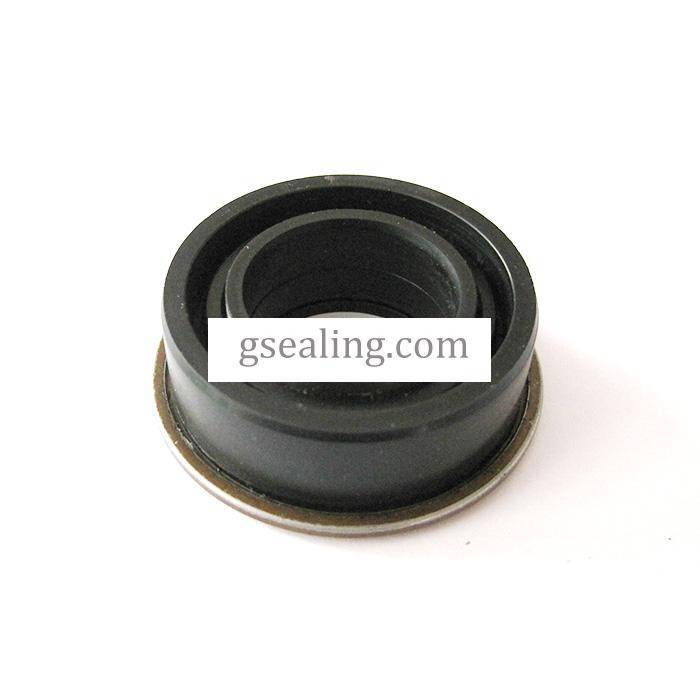
The seal retainer is a precision‑machined, flanged ring (usually cast iron or heavy‑gauge steel) that bolts to the outer end of the axle housing. Its three main jobs:
Holds the lip seal concentric to the half shaft.
Provides a mounting surface for the seal – many retainers incorporate a pressed‑in double‑lip seal.
Creates the static seal between the retainer and the main axle housing via a gasket or sealant.
On some Ford New Holland designs (especially the 10‑series and 30‑series “S” models), the retainer also serves as the outer bearing housing for the tapered roller bearing that supports the half shaft.
2. Anatomy of a Typical Assembly
Let’s visualise the stack – from the inside out:
Half shaft – splined at both ends, rotating inside the trumpet.
Tapered roller bearing – pressed onto the shaft (or fitted into the trumpet bore).
Oil seal – usually a TC style (double lip with spring) or a cassette seal, pressed into the retainer.
Seal retainer – carries the seal, bolts to the trumpet housing.
Gasket / sealant – seals the retainer‑to‑housing junction.
Retaining bolts – typically 4 or 6 M10 or M12 bolts.
The critical point: the retainer’s inner bore is machined to an exact diameter that matches the seal’s outer casing. An interference fit keeps the seal from spinning. If the retainer bore is corroded or scored, the seal will turn inside its housing, leading to rapid lip wear and leakage.
3. Why “Half Shaft Seal Retainer” – Not Just “Seal Housing”?
In Ford New Holland technical literature (Service Manuals 8100‑8200, 8300 and later), the term “retainer” emphasises its role in axially positioning the bearing. Unlike a simple cover, the retainer often works as a spacer: the bearing outer race contacts the retainer’s inner shoulder, setting the end‑float of the half shaft. Removing or overtightening the retainer bolts directly changes bearing preload.
This is why the manual specifies torque sequences – uneven clamping can distort the retainer, misaligning the seal lip and crushing the gasket unevenly.
4. Common Failure Modes – What You’ll See in the Field
From years of farm shop experience, I’ve catalogued the top five seal‑retainer failures on Ford New Holland rear ends:
4.1 Gasket Burnout (External Leak)
Oil seeps between the retainer and the trumpet face. Cause: old cork gasket hardens; bolts loosen; or the machined faces are scored. Result: oil runs down the inside of the wheel rim and onto the brake discs.
4.2 Seal Lip Wear (Internal Leak)
Oil travels along the half shaft, dripping off the retainer’s outer lip. Cause: contaminated oil, worn splines, or a scored shaft surface. But – if the retainer bore was not cleaned before seal installation, the seal will sit crooked.
4.3 Retainer Corrosion Pitting
On tractors used in manure or slurry environments, the retainer’s outer surface pits. This doesn’t leak by itself, but it destroys the gasket seal because the face is no longer flat. Fix: replacement, not skimming – cast iron pitting goes deep.
4.4 Cracked Retainer Flange
Over‑tightening (or using a hammer to remove a stuck retainer) can crack the bolt hole ears. This is more common on magnesium retainers used in some light‑duty models. Rule: always replace a cracked retainer – welding distorts the bore.
4.5 Wrong Seal Type
The retainer is designed for a specific seal depth and lip orientation. Fitting a seal with a different cross‑section may block oil drain‑back holes (present in some New Holland designs). Lesson: order the complete retainer + seal assembly from CNH (part numbers start with 839…, 818…, or 877…).
5. Step‑by‑Step: Correct Replacement Procedure
Assuming you have the wheel removed, final drive cover off, and half shaft pulled out.
Tools needed: torque wrench (up to 150 N·m), seal driver set, fine emery cloth, Loctite 518 (or Permatex anaerobic sealant), measuring calipers, universal seal puller.
Step 1 – Remove the Old Retainer
Clean all dirt from bolt heads. Use a 6‑point socket.
Strike the retainer flange lightly with a soft mallet to break the gasket adhesion. Never pry between the retainer and trumpet face – you’ll damage the sealing surface.
If stuck, apply heat with a heat gun (not a torch) to expand the retainer.
Step 2 – Inspect and Prepare the Trumpet Face
Scrape old gasket off with a plastic scraper.
Polish the mating surface with 400‑grit wet‑dry paper on a flat block. Check for warpage with a straightedge – >0.10 mm gap requires machining or retainer replacement.
Clean bolt threads with a tap (M10×1.5 usually). Chase the blind holes to ensure bolts bottom correctly.
Step 3 – Fit the New Seal into the Retainer
Grease the seal lips with clean oil or molybdenum disulphide grease.
Use a seal driver that contacts the outer metal case only. Never hit the rubber lip.
Drive the seal flush with the retainer’s inner step. On some models, the seal sits 2‑3 mm recessed – check the manual (common recess depth: 1‑2 mm for oil return to the sump).
Step 4 – Assemble Retainer to Trumpet
Apply a thin, even bead of anaerobic sealant (e.g. Loctite 518) to the trumpet face. Do not use RTV silicone – it can extrude and block oil passages.
Fit a new gasket if the design uses one (some later New Hollands have a rubber‑coated steel gasket).
Place the retainer over the half shaft. Slide the shaft through first – then bolt the retainer to the trumpet. This prevents damaging the seal on the shaft splines (wrap splines with tape or a thin plastic sleeve).
Step 5 – Torque the Bolts
Follow the star pattern (tighten evenly). Typical torque for M10 grade 8.8 bolts is 45‑55 N·m (33‑40 lb·ft). For M12: 80‑90 N·m (59‑66 lb·ft).
Critical: On models where the retainer sets bearing preload, the final torque must be applied with the shaft rotated by hand to seat the rollers.
Step 6 – Final Checks
Rotate the half shaft – it should turn smoothly without heavy drag.
Check retainer runout with a dial indicator (spec <0.10 mm at the outer rim).
6. Pro Tips for Longevity
Always replace the retainer when replacing a seal if the retainer bore shows wear or corrosion. It’s cheap insurance – a 400 brake job.
Upgrade to a double‑lip seal with a dust lip if you work in dusty or wet conditions. Many AMS (Aftermarket) kits offer viton seals – these resist brake fluid contamination if a wheel cylinder leaks.
Use new bolts if the old ones show thread deformation. Loctite 243 (medium strength) prevents loosening without seizing.
Check axle breather – a clogged breather builds internal pressure, forcing oil past any seal. The rear axle breather on a Ford 6610 is often overlooked.
7. Part Number Cross‑Reference (Quick Guide)
| Model range | CNH Retainer part | Seal part(in retainer) |
| Ford 10‑series (2610‑7610) | 81810596 | 81810597 (35x60x10) |
| Ford 30‑series (3910‑8210) | 83975550 | 83975551 |
| New Holland TS100‑TS135A | 87734101 | 87734102 (cassette seal) |
| NH T6040‑T6070 | 87734101 (same) | integrated cassette |
Always verify with your VIN – newer models may use a one‑piece seal retainer with integral bearing housing.
8. The Cost of Ignoring a Leaky Retainer
A slow weep may seem harmless. But oil dripping onto the brake discs soaks the friction material, causing grabby brakes or complete loss of braking. On wet‑brake models (like the Ford 7810 and NH 8560), external oil dilution ruins the brake discs and can cost $2,000+ to overhaul. Half shaft seal retainer neglect is the #1 preventable rear‑axle disaster on older blue tractors.
Hot Products
-
 View More
-
 View More
PTFE Lip Oil Seals for Air Compressor - Professional Manufacturer Supply
-
 View More
Bearing Seals & Gaskets Manufacturer - China OEM Factory Supplier
-
 View More
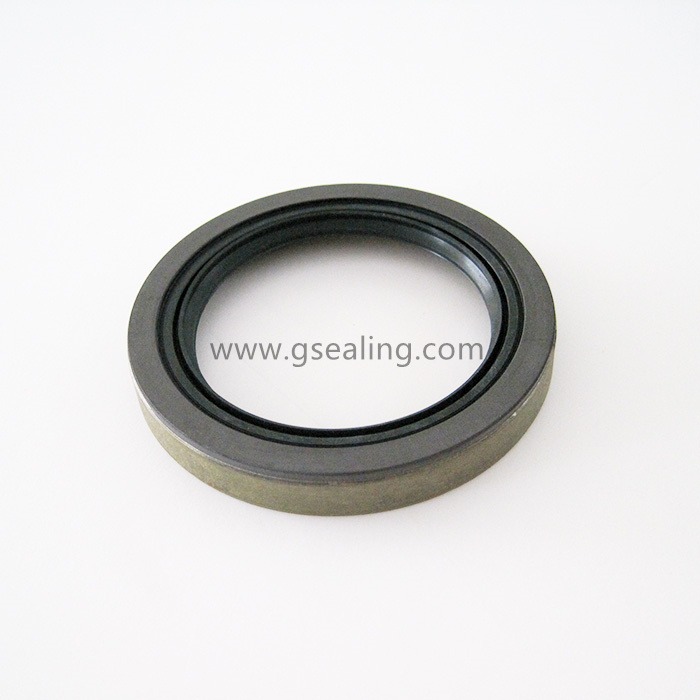
Magnetic Seals | Magnetic Abs OEM Bearing Seals China Manufacturer
-
 View More
EPDM Rubber O-Ring Seal Factory | Custom Sizes China Manufacturer
-
 View More
Rubber Check Valve for Automotive Oil Filter - OEM Supplier
-
 View More
HNBR O-Ring OEM Manufacturer | Hydrogenated Nitrile Seals China
-
 View More
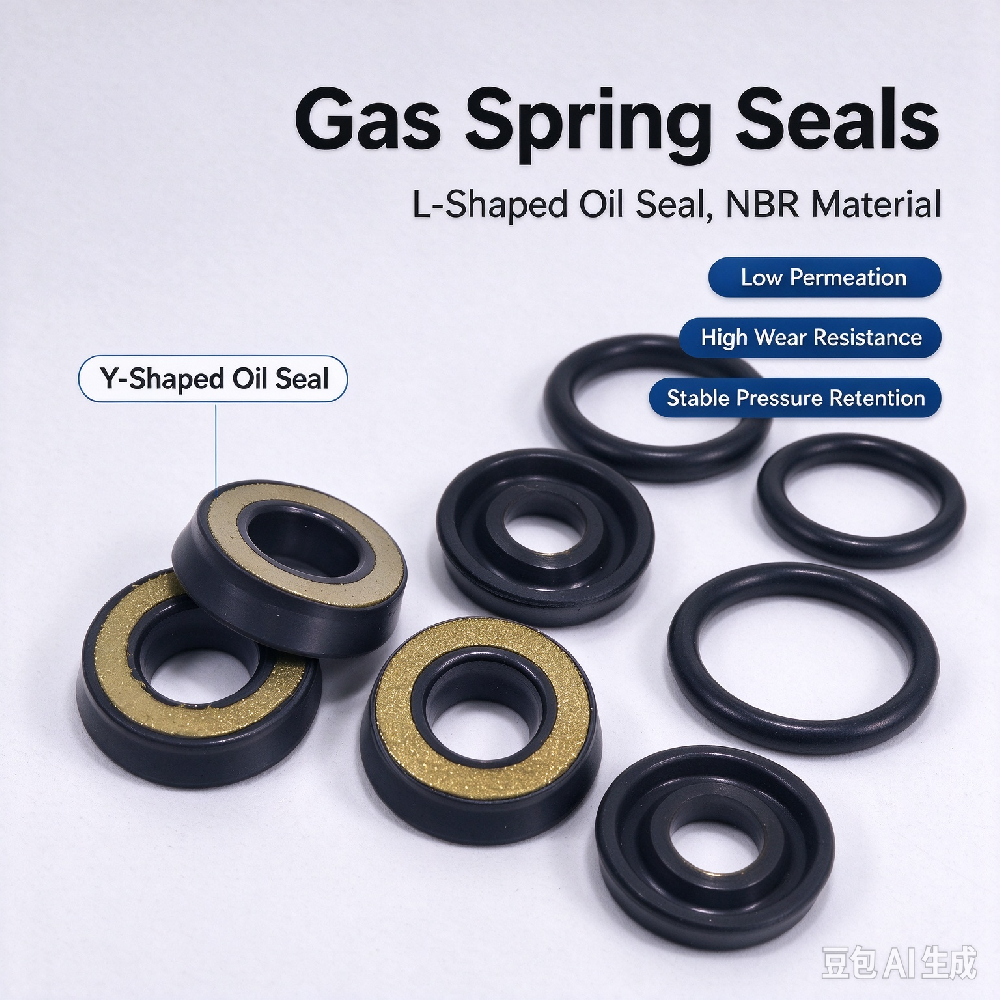
L type Gas Spring Seals /Manufacturer/Factory Supply/OEM high quality
-
 View More
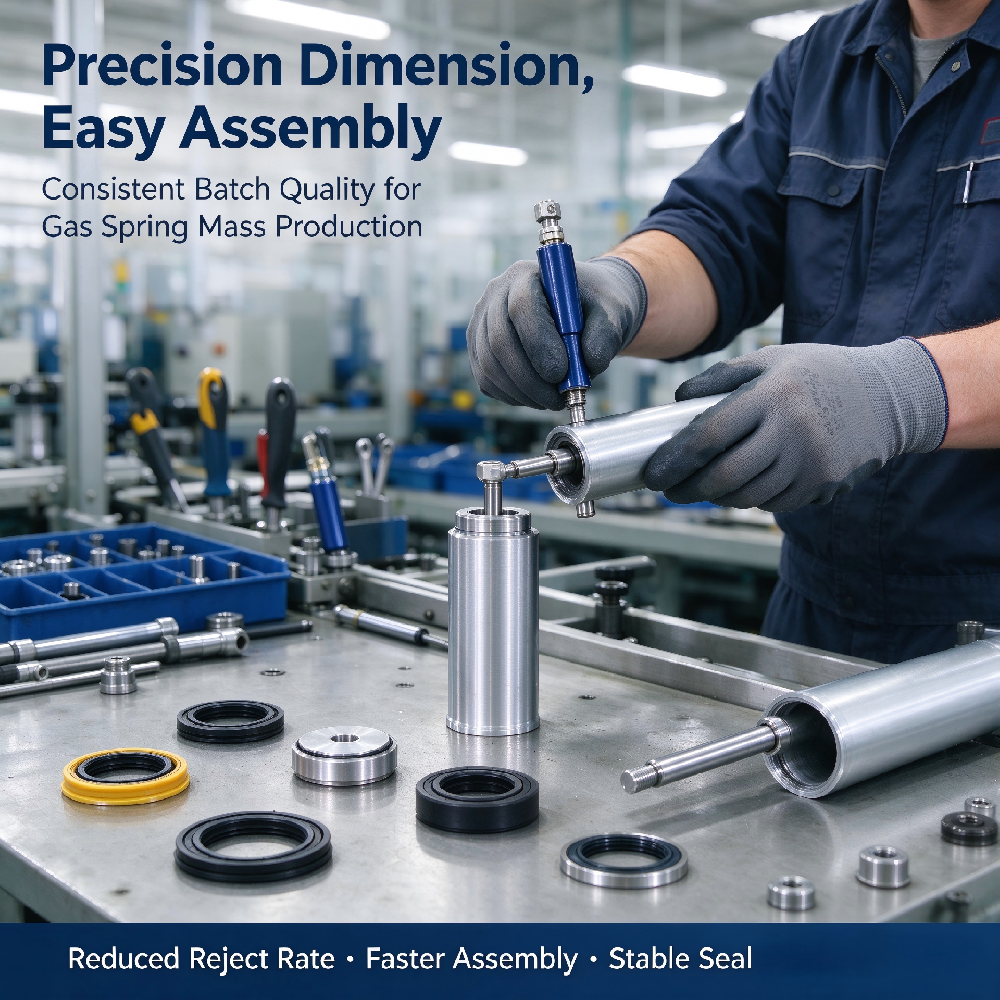
Y-Type High pressure Gas Spring Oil Seal 10×24×3.5mm, OEM Gas Spring Sealing Component for Gas Spring Manufacturers
-
 View More
24898 (SKF CRWA1) Oil Seal|Replacement for SKF Part Number 24898
-
 View More
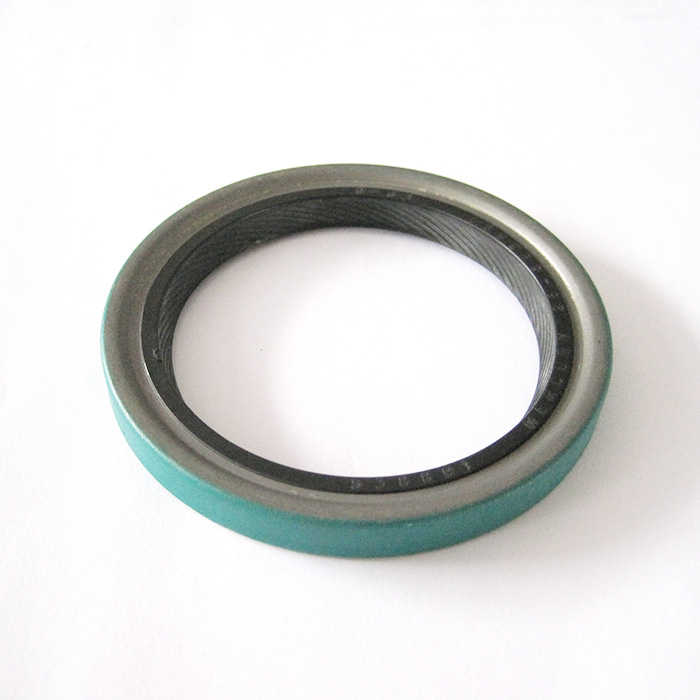
24863 Radial Shaft Oil Seals Single Lip withe metal case
-
 View More
TC Rubber Lip Oil Seal Manufacturer | TC Type Oil Seal Supplier
-
 View More
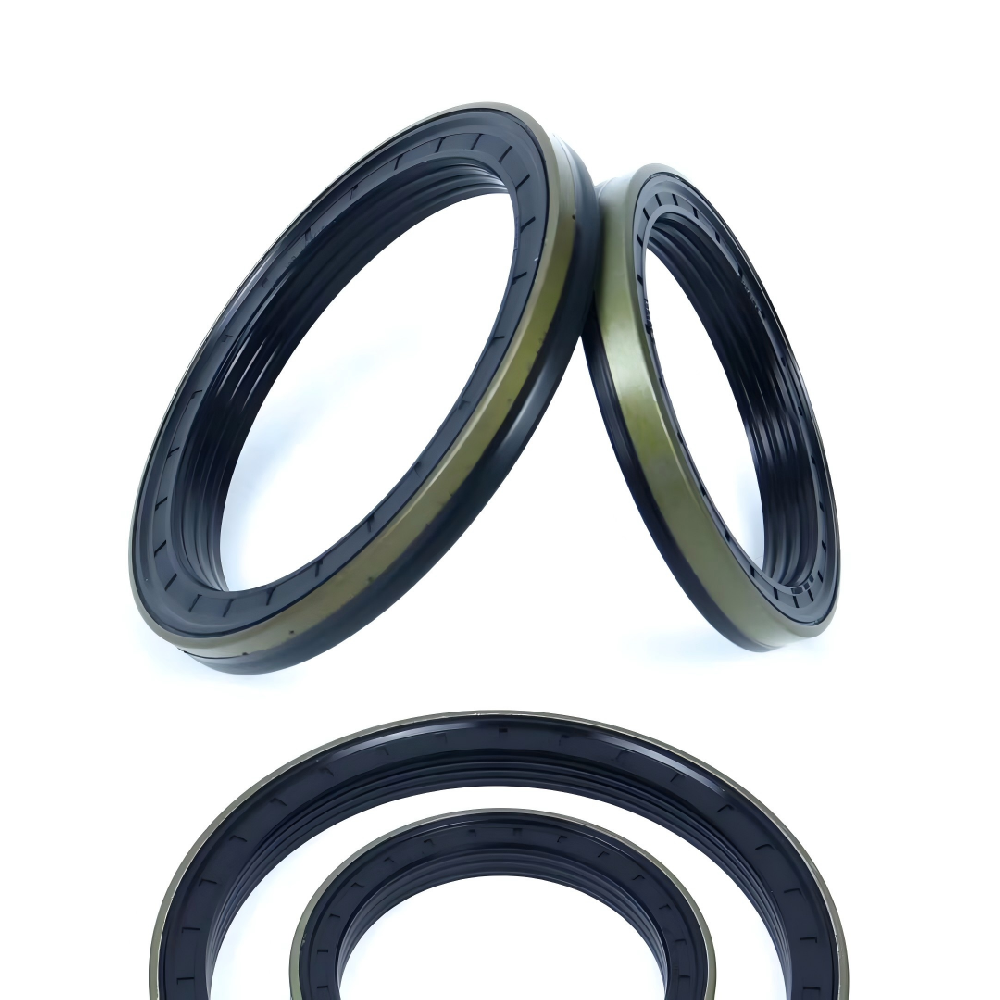
John Deere RWDR Cassette Oil Seal - OEM Manufacturer
-
 View More
Valley Valmont Gearbox Oil Seal - Irrigation OEM Supplier
-
 View More
Custom Shock Absorber Oil Seals | OEM Manufacturer | IATF16949 Damper Seals for OEM Factories

Do you have a question? Feel free to contact!
 Tel:
+8613967511577
Tel:
+8613967511577
 E-mail:
sale@gsealing.com
E-mail:
sale@gsealing.com
 Add:
Cixi,Ningbo ,zhejiang, 312300, China.
Add:
Cixi,Ningbo ,zhejiang, 312300, China. 
Copyright © YIWU GREAT SEAL RUBBER PRODUCTS COMPANY All rights reserved.
OEM Rubber Driving belts Manufacturers
