

The Silent Guardians: A Complete Guide to Tractor & Combine Harvester Shaft Oil Seals
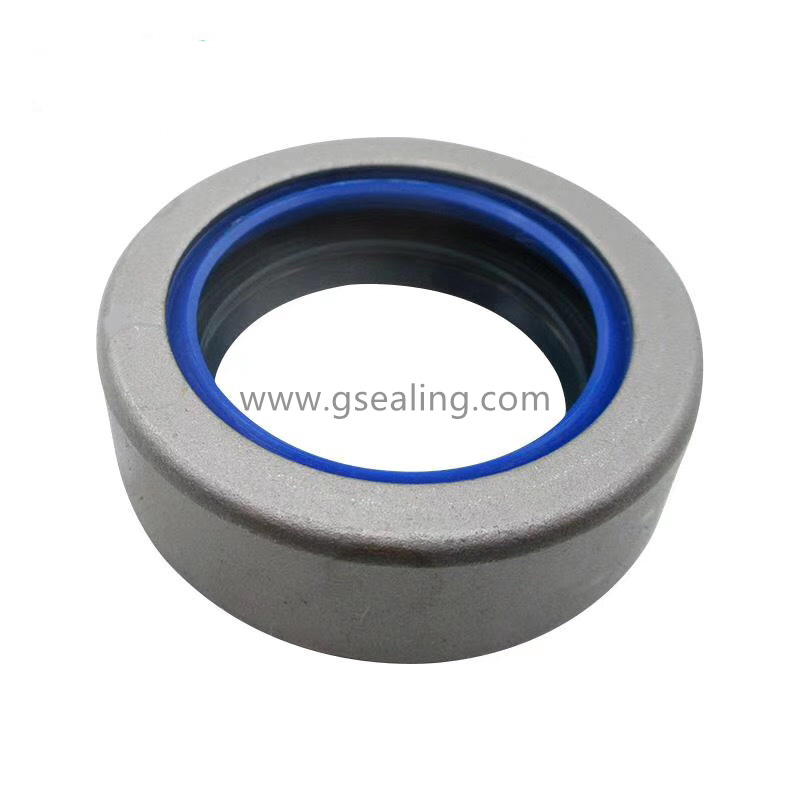
In the world of agriculture, downtime isn’t just an inconvenience—it’s a direct hit to your bottom line. When you are in the middle of harvest or prepping the soil for planting, every minute counts. While we often praise the engine power or the GPS technology in modern cabs, there is an unsung hero working tirelessly to keep the grease in and the grime out: the shaft oil seal.
These rubber-and-metal components might look simple, but they are sophisticated pieces of engineering designed to protect your investment. Whether you are driving a vintage tractor or a state-of-the-art combine, understanding these seals can save you from catastrophic failures.
Here is everything you need to know about tractor and combine harvester shaft oil seals.
What Exactly is a Shaft Oil Seal?
An agricultural oil seal, often referred to as a rotary shaft seal, is a mechanical component designed to create a barrier between stationary and rotating parts . In simple terms, it has two jobs:
Keep lubricants in: Preventing oil or grease from leaking out of the transmission, engine, or axle.
Keep contaminants out: Blocking dust, mud, water, and crop debris from entering sensitive components
In the harsh environment of a farm, where machinery is subjected to extreme temperatures, moisture, and abrasive particles, a failed seal can lead to contaminated lubricants and accelerated wear on bearings and gears
Key Types of Agricultural Shaft Seals
Not all seals are created equal. Depending on where they are installed on your machine, they have different designs and functions. Here are the most common types you will encounter:
1. Traditional Rubber Lip Seals (TC/COMBI)
These are the most common types found in general applications. They consist of a flexible sealing lip (usually made of rubber), a metal outer casing for structural support, and often a garter spring to maintain pressure on the shaft
TC Seals: Typically feature a primary sealing lip and a dust lip to exclude contaminants
Combi Seals: Often used in wheel hubs, these are robust solutions with multiple exclusion lips to handle high stresses from mud and water
2. Cassette Seals (Unitized Seals)
For heavy-duty applications like the final drives and axles of combines and 4WD tractors, cassette seals are the gold standard. They combine the sealing element and a wear sleeve into a single, unitized package. This design is "fool-proof" because it doesn't require the shaft to be perfectly smooth or hardened; the seal runs against its own internal sleeve. They are exceptional at keeping elements out and are often used in hubs and pinions
3. Three-Lip Seals
For extreme conditions, three-lip seals offer an extra layer of defense. As the name suggests, they feature three distinct lips: an outer wiper lip that scrapes off large debris, a primary sealing lip that retains oil, and a third inner lip that acts as a backup contaminant barrier . These are ideal for equipment operating in particularly muddy or dusty conditions.
4. V-Ring Seals
These are axial shaft seals, often used in secondary sealing applications. They are incredibly flexible and can compensate for shaft misalignment—a common issue in equipment bouncing over rough terrain. They are excellent for protecting bearings in applications like vertical shafts or slow-rotating hubs.
Location Matters: Seals by Application
When troubleshooting a leak, knowing what type of seal you are dealing with helps diagnose the problem. Here is how seals are specialized by location:
| Location | Primary Function | Consequences of Failure |
| Engine (Crankshaft/Camshaft) | Maintain oil pressure, prevent leaks. | Oil pooling under the engine, blue smoke. |
| Transmission & Hydraulics | Contain fluid pressure, protect gears. | Hard shifting, fluid loss, burnt smell. |
| PTO (Power Take-Off) | Seal the gearbox where the shaft exits. | Oil dripping near the PTO yoke, implement disengagement issues. |
| Wheel Hubs & Axles | Protect bearings from mud/water. | Grease on wheels, grinding noises, bearing failure. |
Material Science: NBR vs. FKM (Viton®)
Choosing the right seal isn't just about size; it's about material compatibility. Using the wrong material can cause the seal to harden, crack, or swell.
NBR (Nitrile Rubber): This is the workhorse of the agricultural industry. It has outstanding resistance to animal fats, vegetable oils, and petroleum-based greases. It also offers excellent water resistance and tensile strength. However, it begins to degrade in high-heat environments (above 120°C) .
FKM (Fluorocarbon / Viton®): If your machine runs hot—such as a high-speed PTO shaft or a turbocharged engine—FKM is the material of choice. It can withstand temperatures up to 230°C and resists synthetic oils and aggressive chemicals much better than NBR.
Common Causes of Seal Failure
Before you replace a seal, it's wise to understand why it failed. Slapping a new seal on a damaged shaft is a waste of time and money.
Shaft Scoring: If the shaft surface is grooved or corroded, it will chew up the new seal lip immediately. Solution: Polish the shaft with fine emery cloth or use a wear sleeve (repair sleeve) to provide a fresh sealing surface.
Improper Installation: This is the number one cause of premature failure. Installing a seal crooked, without lubrication, or with a sharp tool that nicks the lip guarantees a leak.
Contamination: Buildup of dirt or crop residue on the outside of the seal can wear a groove in the lip.
High Pressure: Standard seals are not designed for high pressure. If a hydraulic system is bypassing or a gearbox is overfilled, the pressure can blow the seal out or cause the lip to fail.
5 Pro Tips for Long-Lasting Seals
To keep your tractor and combine running smoothly, follow these maintenance best practices:
Inspect the "Contact Patch": When you remove a shaft, look at the area where the seal rides. A polished, smooth surface is good. A groove or dark discoloration means the shaft needs attention.
Lube Before Installation: Always apply a thin layer of clean grease or oil to the sealing lip before sliding it onto the shaft. Running a seal dry, even for a second, can cause heat buildup and immediate failure.
Check the Slinger: Many modern axles use a "slinger" to deflect mud away from the seal. Ensure these are clean and undamaged, as they are the first line of defense.
Use the Right Tool: A socket or a seal driver kit ensures the seal seats perfectly square in the housing. A hammer and screwdriver usually makes things worse.
Stick to OEM Specs: While aftermarket seals can be cost-effective, ensure they meet the original specifications for material and dimensions (ISO 6194 or SAE J2002). A generic seal might not handle the specific pressure or speed required.
The Future is Sealed
As agricultural machinery becomes more powerful and efficient, the demands on seals increase. We are seeing a rise in PTFE (Teflon) lip seals for high-speed applications and "smart" sealing solutions that reduce friction to save fuel.
However, the basics remain the same: a good seal keeps the oil in and the dirt out. By paying attention to these small components, you ensure that the giants of your field keep running for years to come.
Have you ever had a breakdown caused by a simple oil leak? Share your repair stories in the comments below
Hot Products
-
 View More
-
 View More
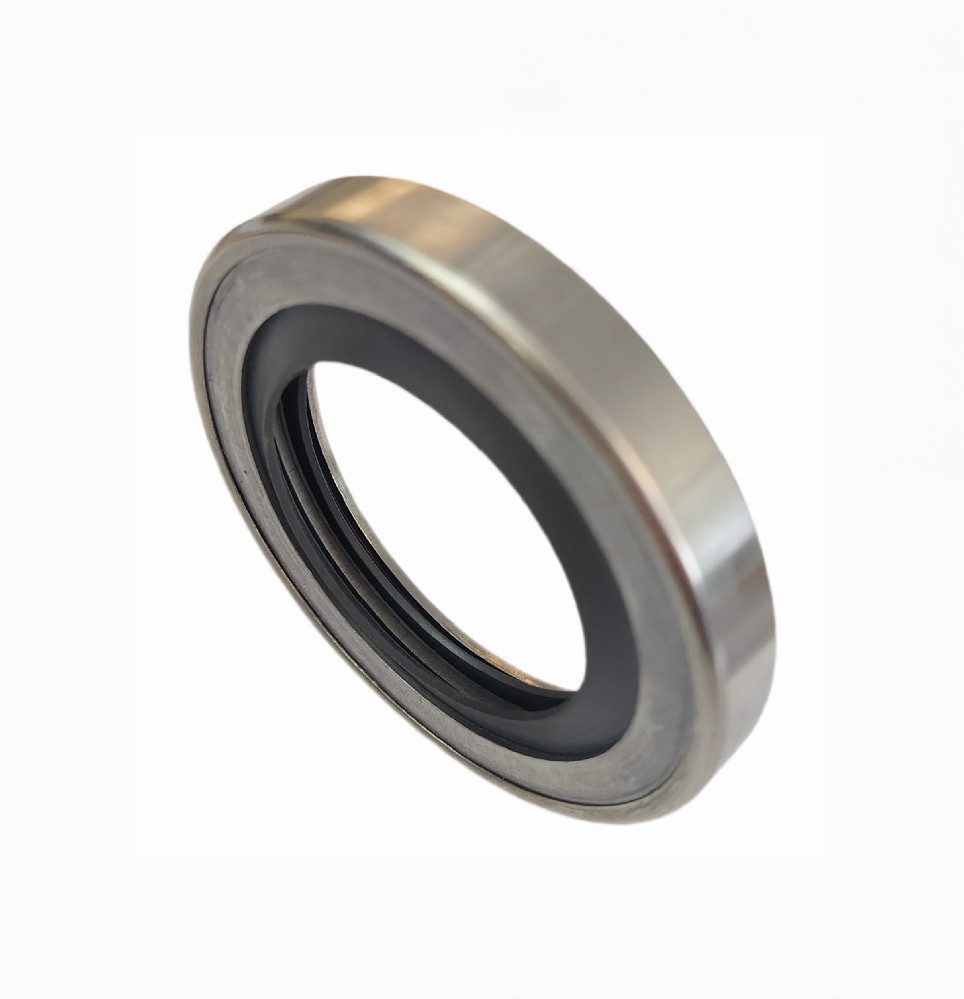
PTFE Lip Oil Seals for Air Compressor - Professional Manufacturer Supply
-
 View More
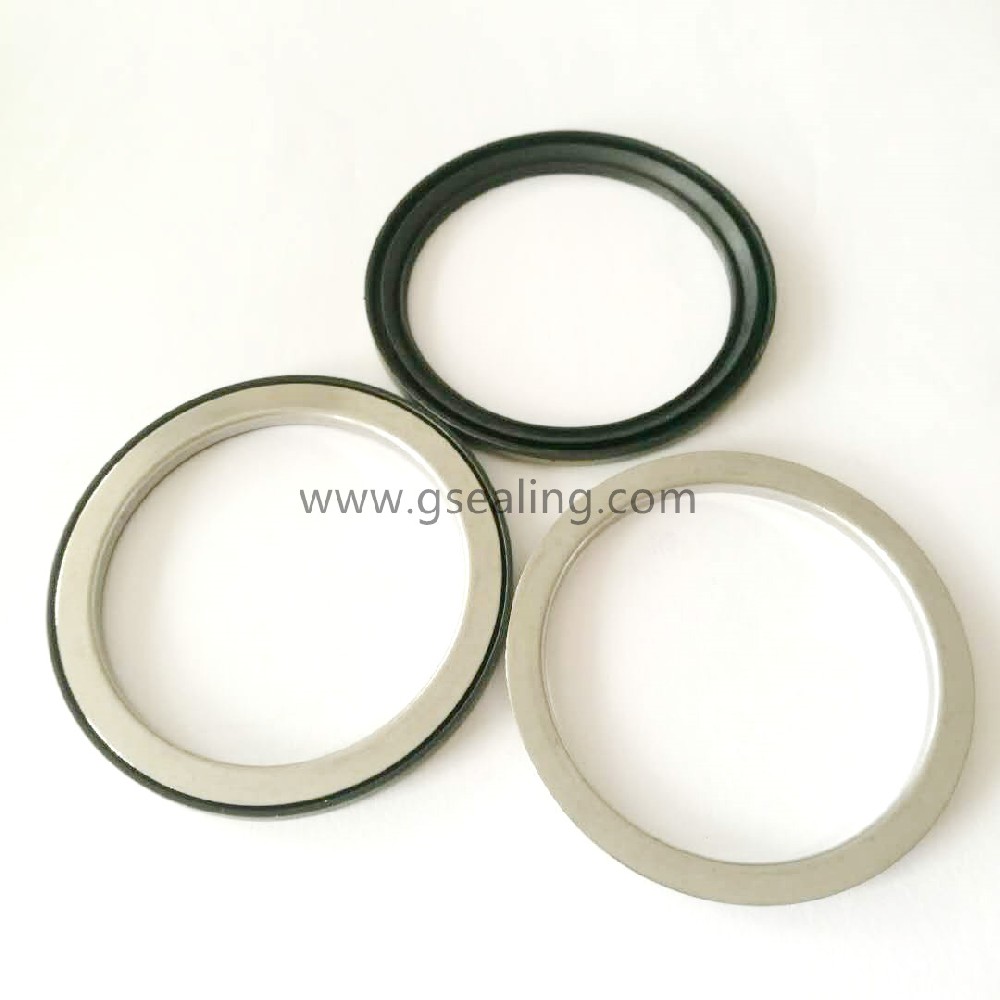
Bearing Seals & Gaskets Manufacturer - China OEM Factory Supplier
-
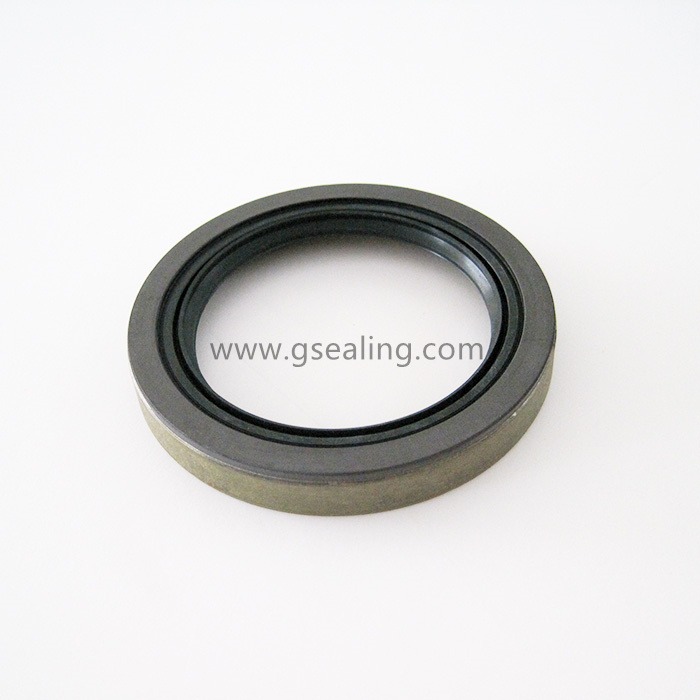 View More
Magnetic Seals | Magnetic Abs OEM Bearing Seals China Manufacturer
-
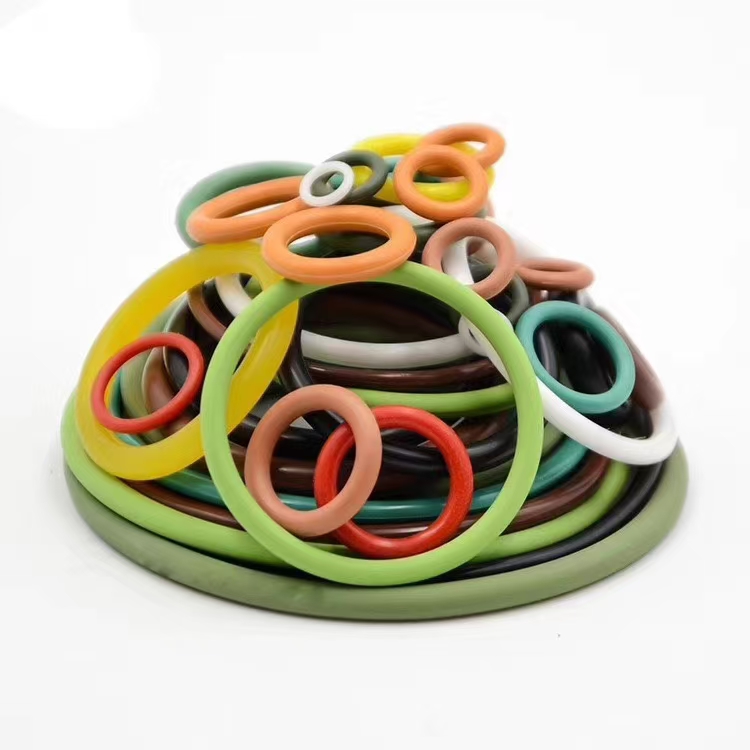 View More
EPDM Rubber O-Ring Seal Factory | Custom Sizes China Manufacturer
-
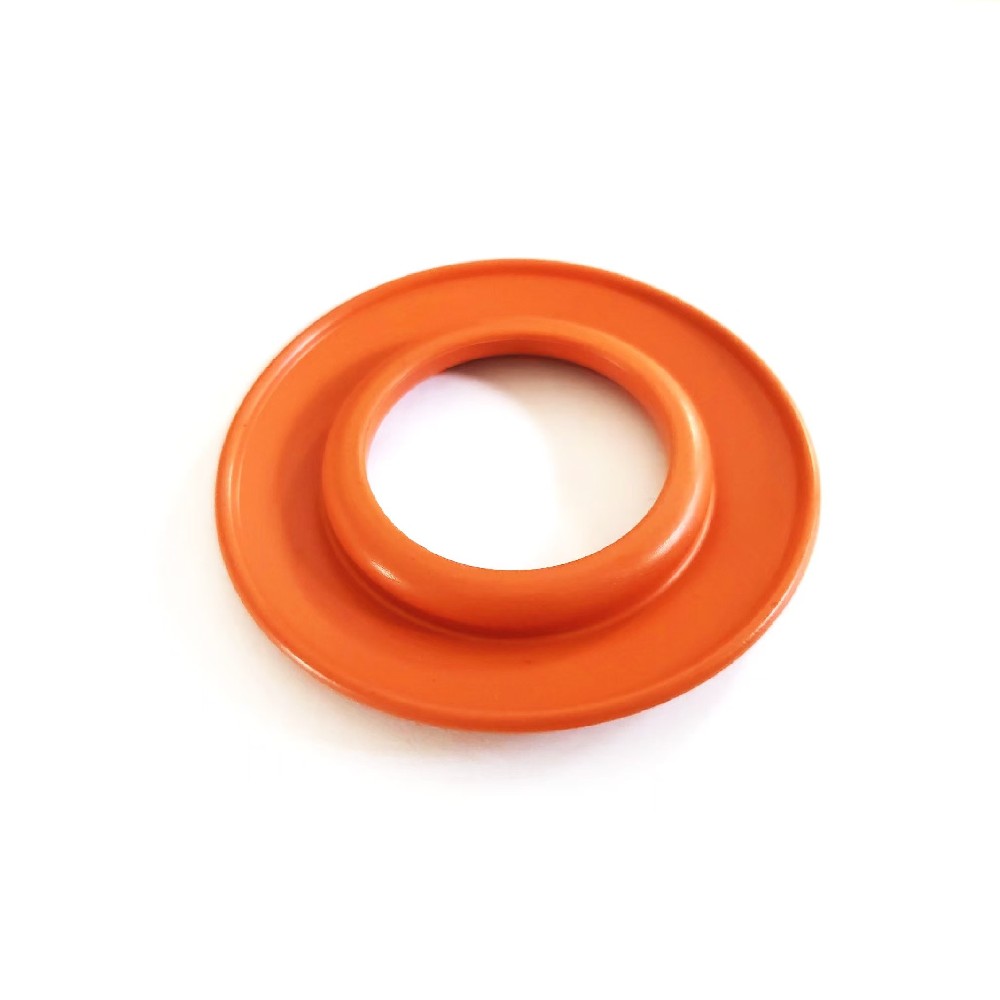 View More
Rubber Check Valve for Automotive Oil Filter - OEM Supplier
-
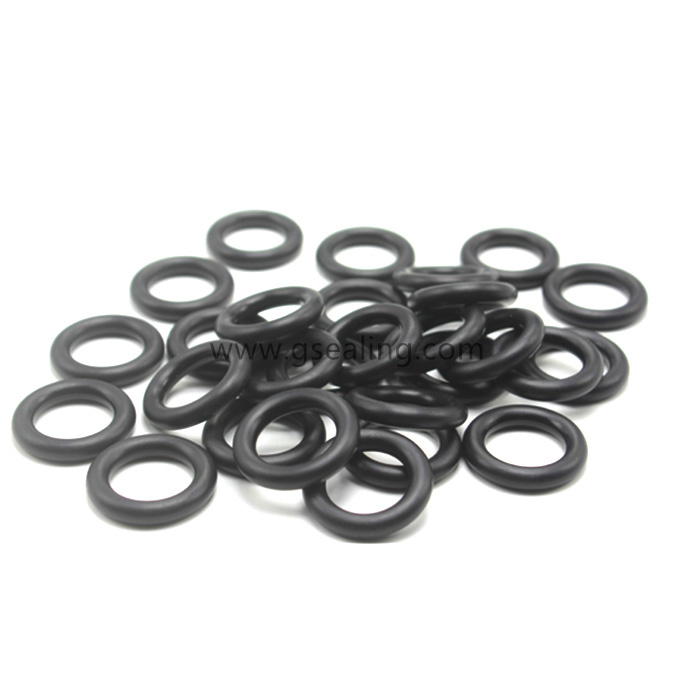 View More
HNBR O-Ring OEM Manufacturer | Hydrogenated Nitrile Seals China
-
 View More
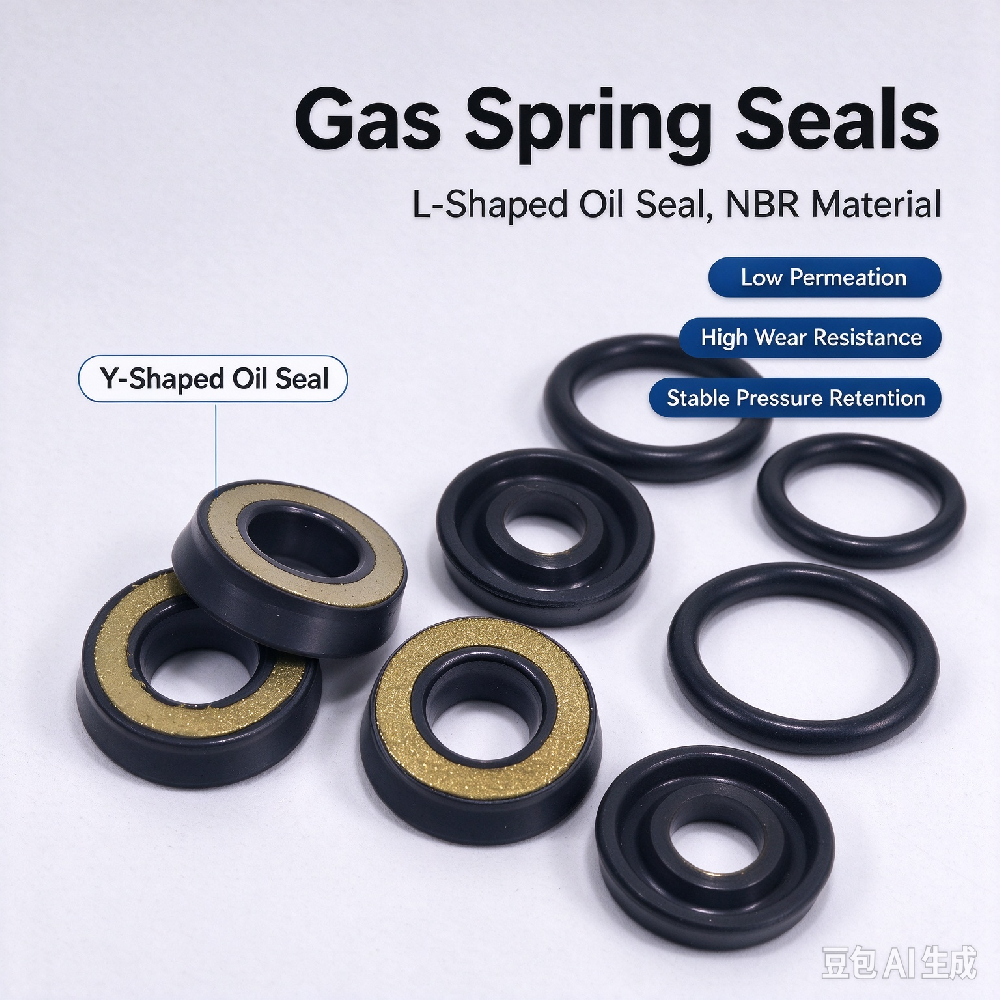
L type Gas Spring Seals /Manufacturer/Factory Supply/OEM high quality
-
 View More
Y-Type High pressure Gas Spring Oil Seal 10×24×3.5mm, OEM Gas Spring Sealing Component for Gas Spring Manufacturers
-
 View More
24898 (SKF CRWA1) Oil Seal|Replacement for SKF Part Number 24898
-
 View More
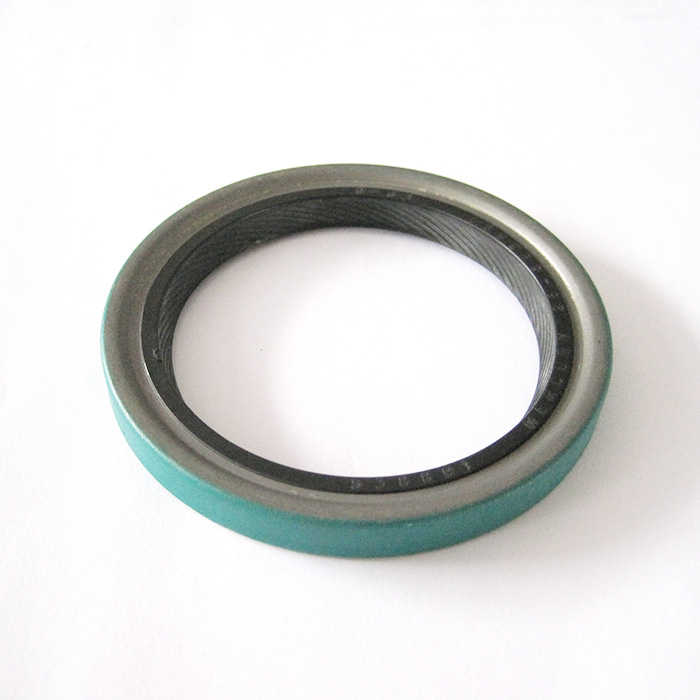
24863 Radial Shaft Oil Seals Single Lip withe metal case
-
 View More
TC Rubber Lip Oil Seal Manufacturer | TC Type Oil Seal Supplier
-
 View More
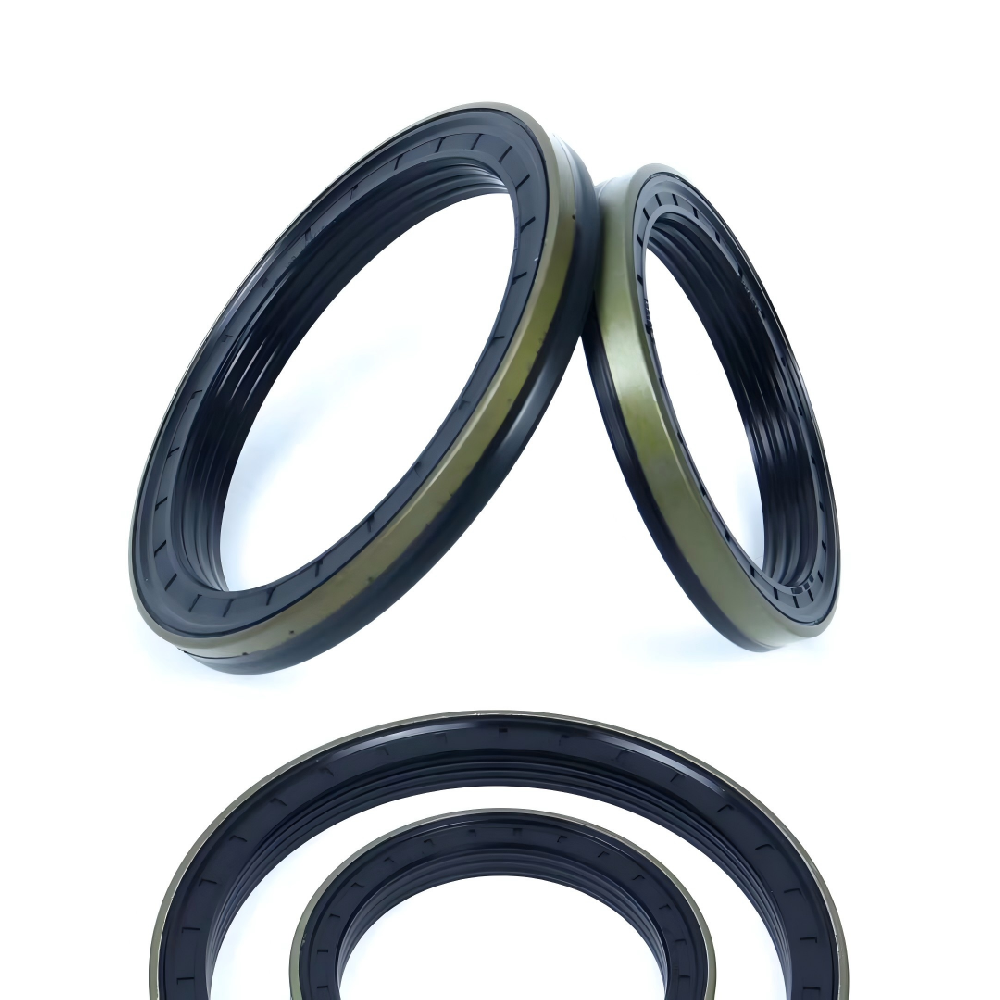
John Deere RWDR Cassette Oil Seal - OEM Manufacturer
-
 View More
Valley Valmont Gearbox Oil Seal - Irrigation OEM Supplier
-
 View More
Custom Shock Absorber Oil Seals | OEM Manufacturer | IATF16949 Damper Seals for OEM Factories

Do you have a question? Feel free to contact!
 Tel:
+8613967511577
Tel:
+8613967511577
 E-mail:
sale@gsealing.com
E-mail:
sale@gsealing.com
 Add:
Cixi,Ningbo ,zhejiang, 312300, China.
Add:
Cixi,Ningbo ,zhejiang, 312300, China. 
Copyright © YIWU GREAT SEAL RUBBER PRODUCTS COMPANY All rights reserved.
OEM Rubber Driving belts Manufacturers
