

TB 11174 Trailer Grease Seal: Comprehensive Technical Guide
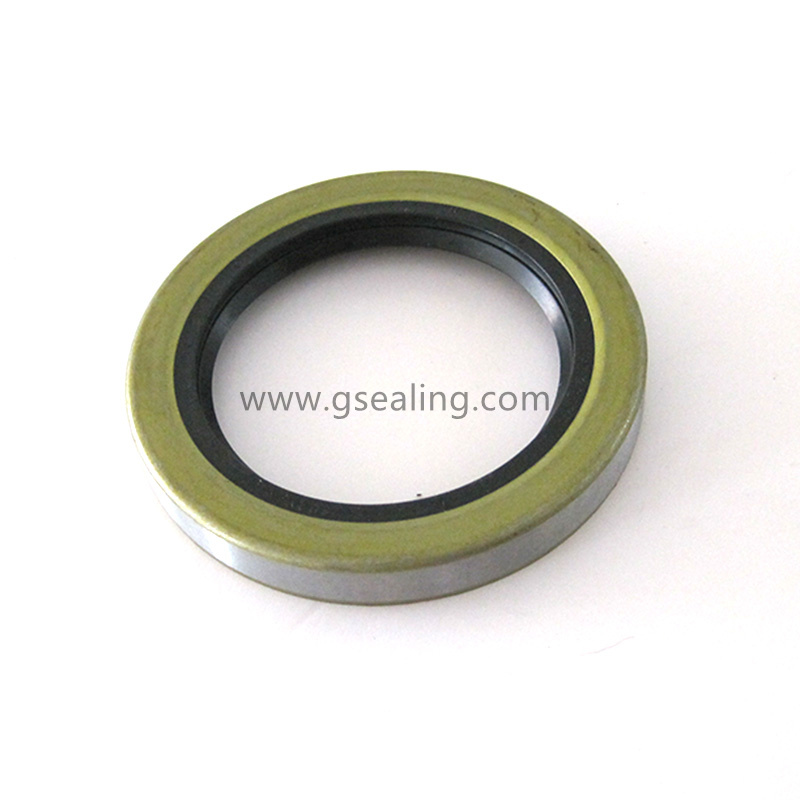
When it comes to trailer axle maintenance, few components play as critical a role as the humble grease seal. Among the many seal designations in the market, the TB 11174 trailer grease seal (also cataloged as Dichtomatik 11174TB-BX or TCM 11174TB-BX) stands out as a reliable, precision-engineered solution for keeping lubricants in and contaminants out. In this technical deep-dive, we will unpack the specifications, design philosophy, material science, and application best practices surrounding this versatile radial lip oil seal.
What Is the TB 11174 Trailer Grease Seal?
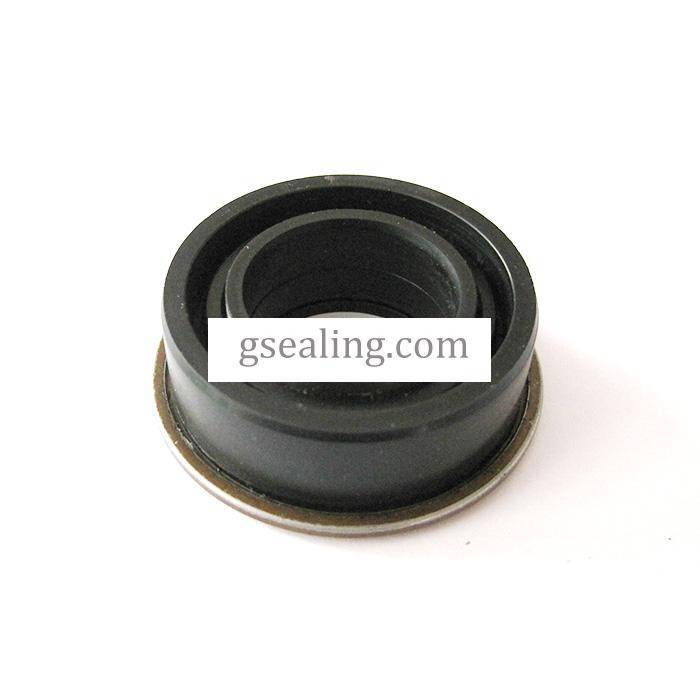
The TB 11174 is a radial shaft seal—often referred to as an oil seal, grease seal, or lip seal—designed to retain lubricant within a rotating assembly while excluding dirt, moisture, and other environmental contaminants. Radial shaft seals are integral components in any rotating or moving part assembly, as they close the spaces between stationary and moving components in mechanical equipment
The “TB” designation refers to a classic and widely used cross-sectional profile: a double-lip, spring-loaded metal-cased oil seal-
In the world of seals, TB is considered a “standard component” or “basic model,” prized for its versatility and effectiveness across a wide range of applications
Key Specifications of the TB 11174
| Parameter | Value |
| Shaft Diameter (ID) | 1.125 in (28.58 mm) |
| Outside Diameter (OD) | 1.781 in (45.24 mm) |
| Overall Width | 0.469 in (11.91 mm) |
| Lip Material | Nitrile Rubber (NBR) / Buna-N |
| Number of Lips | 2 (dual-lip configuration) |
| Construction | Dual lip with garter spring; ground metal OD with rolled leading edge |
| Continuous Temperature Range | -40°F to 200°F (-40°C to 93°C) |
| Hardness | 70 Durometer (Shore D) |
| Pressure Tolerance | Less than 10 psi |
| Series | TL |
| Synonyms | Radial Shaft Seal, Oil Seal, Grease Seal, Lip Seal |
The seal dimensions follow the standard radial shaft seal format: inner diameter (ID) × outer diameter (OD) × width (W). With a 1.125-inch shaft diameter, a 1.781-inch outer diameter, and a 0.469-inch width, the TB 11174 is compact enough for tight hub assemblies yet robust enough for demanding conditions
Anatomy of a TB-Type Oil Seal
To fully appreciate the TB 11174, it is essential to understand its internal construction. The TB profile comprises four key elements:
1. Metal Casing (Frame)
Inside the seal body is a stamped metal frame that provides mechanical strength and stability. This metal casing prevents deformation during installation and ensures the seal maintains its shape under operational stresses. The “T” in TB typically denotes this metal-cased construction-
2. Rubber Body (Outer Covering)
The metal frame is externally covered with rubber material—in this case, Nitrile Rubber (NBR) . This rubber outer layer achieves static sealing at the housing bore, ensuring a tight fit with the shell hole and preventing oil from leaking past the outer diameter. The TB 11174 features a ground metal OD with a rolled leading edge, which facilitates easier installation and reduces the risk of bore damage-
-
3. Primary Sealing Lip (Main Lip)
The main sealing lip faces the oil side (the side of the sealing medium) and is equipped with a garter spring. The spring continuously applies radial force to the lip, maintaining a tight seal against the rotating shaft. This spring-loaded design compensates for lip wear over time and ensures long-term dynamic sealing effectiveness. As one manufacturer notes, the primary lip is the most crucial part, responsible for sealing the lubricating oil-
4. Secondary Lip (Dust Lip / Auxiliary Lip)
Located behind the main sealing lip on the air side, the secondary lip does not have a spring. Its primary function is to prevent dust, sand, moisture, and other contaminants from entering the sealed area, thereby protecting the main lip and the shaft from wear. The interference fit between the secondary lip and the shaft is typically smaller than that of the main lip to minimize friction while still providing an effective contaminant barrier-
This “double-lip” configuration is the hallmark of TB-type seals, providing what can be described as dual isolation: the primary lip seals lubricant in, while the secondary lip keeps contaminants out-
Material Science: Why Nitrile Rubber (NBR)?
The TB 11174 uses Nitrile Rubber (NBR) , also known as Buna-N, as its lip material. NBR is the most widely used elastomer in oil seal applications for several compelling reasons:
| Property | NBR Performance |
| Oil Resistance | Excellent |
| Wear Resistance | Excellent |
| Aging Resistance | Excellent |
| Temperature Range | -40°C to 120°C (-40°F to 248°F) |
| Water Resistance | Good |
| Ozone Resistance | Fair |
| Acid Resistance | Fair |
NBR offers the lowest cost among oil-resistant elastomers while providing superior abrasion resistance and compatibility with mineral oils, lubricating greases, and water-
For the TB 11174, the NBR lip is rated for continuous operation from -40°F to 200°F, with a hardness of 70 durometer—an ideal balance between flexibility and wear resistance-
Note: For applications requiring higher temperature tolerance or enhanced chemical resistance, manufacturers also offer TB-type seals in FKM (Viton) , which can withstand temperatures from -20°C to 232°C (-4°F to 450°F) and offers superior ozone and acid resistance-
Garter Spring Mechanics
The garter spring is a critical component that sets spring-loaded lip seals apart from simpler designs. Wound from stainless steel or carbon steel wire, the spring sits in a groove behind the primary sealing lip. As the shaft rotates, the spring applies a constant radial load, ensuring the lip maintains intimate contact with the shaft surface even as the lip experiences wear over time. Some advanced seal designs incorporate a sine wave lip profile that creates a resonant mode as the shaft rotates, helping to tighten the lip and draw oil away from the sealing interface-
The garter spring in the TB 11174 is engineered to maintain sealing effectiveness within a pressure tolerance of less than 10 psi, making it suitable for splash lubrication environments typical of trailer hubs and gearboxes-
Typical Applications
The TB 11174 is a versatile radial shaft seal suitable for a broad range of rotary sealing applications:
Trailer Axles: Wheel hub grease retention and bearing protection
Transmissions: Maintaining lubricant levels within the transmission housing
Gearboxes: Reducing wear and failures, increasing transmission efficiency
Pumps: Preventing media leaks from damaging the environment and equipment2
Electric Motors: Preventing lubricant leakage from motor bearings and excluding external dust2
Agricultural Equipment: Protecting rotating shafts in demanding outdoor environments
Industrial Machinery: General rotary shaft sealing in pumps, gearboxes, and axles-
In the trailer industry, seals of this class are commonly used on axles ranging from light-duty (2,000 lb) to medium-duty (5,200–7,000 lb) applications. The TB 11174’s compact dimensions make it particularly well-suited for applications where space is limited but sealing reliability cannot be compromised.
Compatibility and Cross-Reference Information
The TB 11174 is manufactured under various brand names and part numbers. Dichtomatik markets this seal as the 11174TB-BX (Motion item #01537533), while other manufacturers may offer functionally identical seals under different designations-1. When cross-referencing trailer grease seals, common alternatives include seals from Dexter, Transcom, National, NOK, and Chicago Rawhide-
-
Cross-reference note: For applications requiring a different shaft diameter, common trailer grease seal sizes include 2.125″ ID × 3.376″ OD (used on 5,200–7,000 lb axles), 1.719″ ID × 2.565″ OD (used on 3,500 lb axles), and 2.250″ ID × 3.376″ OD (used on larger hubs with easy-lube axles)-. Always verify the specific dimensions required for your axle before purchasing.
Installation Best Practices
Proper installation is paramount to achieving optimal seal performance and longevity. Here are the key steps for installing the TB 11174 or any similar radial lip seal:
Pre-Installation Preparation
Inspect the shaft and bore: The shaft surface where the seal lip rides must be free from nicks, burrs, and corrosion. A damaged shaft will rapidly destroy even the highest-quality seal.
Clean thoroughly: Ensure the seal outside diameter and hub bore are free from contamination and lubricants to guarantee proper retention of the seal in the hub-
Lubricate the lip: Before installation, pre-coat the rubber seal lips and the axle spindle shaft with a layer of grease across the surface to ensure the seal lip does not run dry
Some technicians also recommend filling the area between the sealing lip and dust lip halfway with sealing grease to provide initial lubrication-
Installation Procedure
Use the correct installation tool: A seal driver or thrust piece matched to the seal’s outer diameter should be used to press the seal evenly into the bore. The TB 11174 features a ground metal OD with a rolled leading edge, which helps guide the seal during installation and reduces the risk of damage-. Driving the seal in as far as the stop ensures proper seating-
Apply even pressure: Lightly oil the outer circumference of the seal before driving it in. Tap evenly around the seal’s circumference, working gradually to avoid gouging the metal or deforming the rubber body-
Avoid misalignment: A misaligned seal will fail prematurely. Ensure the seal sits square to the shaft before fully seating it.
Post-Installation Check
Verify rotation: After installation, rotate the hub or shaft by hand to confirm smooth operation and ensure the seal lip has not rolled over.
Common Failure Modes and Troubleshooting
Understanding why seals fail can help technicians diagnose problems and prevent recurrence:
| Failure Mode | Typical Cause | Preventive Measure |
|---|---|---|
| Lip wear | Abrasive contaminants, improper lubrication | Use double-lip seals, maintain clean lubricant |
| Hardening/cracking | Excessive heat, incompatible fluids | Verify temperature range, use FKM for high-heat applications |
| Leakage past OD | Bore damage, improper installation | Inspect bore surface, use sealant if specified |
| Spring dislodgement | Rough handling during installation | Use proper installation tools, avoid impacts |
| Lip roll-over | Incorrect installation direction | Verify seal orientation before driving |
Regular inspection is the best defense against seal failure. Schedule periodic checks of trailer axle seals, especially before long trips, and look for signs of leakage, wear, or damage. If any signs of deterioration are present, address them immediately—seal replacement is a relatively inexpensive fix compared to the cost of bearing or axle damage
.
OEM and Aftermarket Considerations
The TB 11174 meets or exceeds OEM specifications for function, form, and fit. Many manufacturers produce TB-type seals to ISO9001 and TS16949 standards, ensuring consistent quality and dimensional accuracy-
For fleet operators and maintenance professionals, stocking standardized TB seals simplifies inventory management and reduces the risk of installing incorrect components.
Conclusion
The TB 11174 trailer grease seal represents a mature, well-engineered solution for rotary shaft sealing in trailer axles and industrial equipment. Its dual-lip design, garter spring loading, and NBR construction deliver reliable performance across a wide range of temperatures and operating conditions. Whether you are maintaining a single boat trailer or managing a fleet of commercial trailers, understanding the technical specifications and proper installation procedures for the TB 11174 will help extend bearing life, reduce maintenance costs, and improve overall equipment reliability.
When replacing a worn seal, always verify the shaft diameter, housing bore, and width before purchasing. When in doubt, consult the manufacturer’s catalog or a qualified parts professional to ensure the correct seal is selected for your application.
Hot Products
-
 View More
-
 View More
PTFE Lip Oil Seals for Air Compressor - Professional Manufacturer Supply
-
 View More
Bearing Seals & Gaskets Manufacturer - China OEM Factory Supplier
-
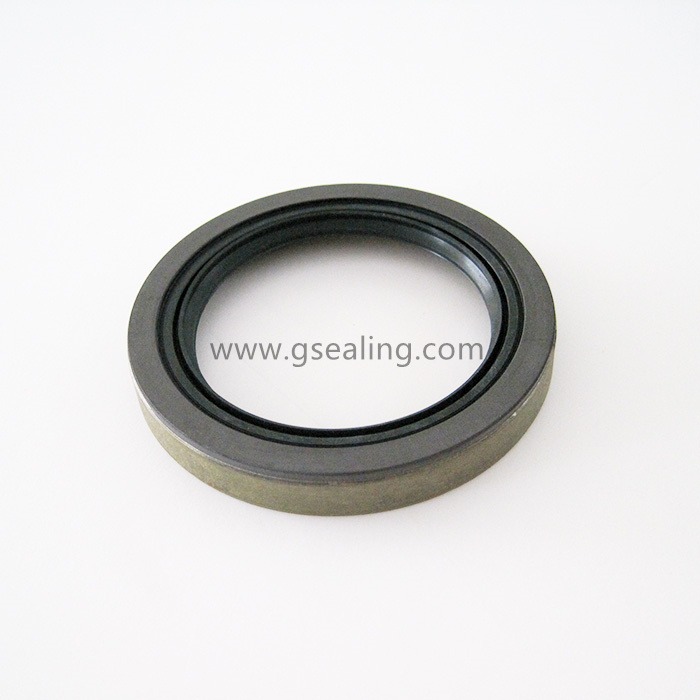 View More
Magnetic Seals | Magnetic Abs OEM Bearing Seals China Manufacturer
-
 View More
EPDM Rubber O-Ring Seal Factory | Custom Sizes China Manufacturer
-
 View More
Rubber Check Valve for Automotive Oil Filter - OEM Supplier
-
 View More
HNBR O-Ring OEM Manufacturer | Hydrogenated Nitrile Seals China
-
 View More
L type Gas Spring Seals /Manufacturer/Factory Supply/OEM high quality
-
 View More
Y-Type High pressure Gas Spring Oil Seal 10×24×3.5mm, OEM Gas Spring Sealing Component for Gas Spring Manufacturers
-
 View More
24898 (SKF CRWA1) Oil Seal|Replacement for SKF Part Number 24898
-
 View More
24863 Radial Shaft Oil Seals Single Lip withe metal case
-
 View More
TC Rubber Lip Oil Seal Manufacturer | TC Type Oil Seal Supplier
-
 View More
John Deere RWDR Cassette Oil Seal - OEM Manufacturer
-
 View More
Valley Valmont Gearbox Oil Seal - Irrigation OEM Supplier
-
 View More
Custom Shock Absorber Oil Seals | OEM Manufacturer | IATF16949 Damper Seals for OEM Factories

Do you have a question? Feel free to contact!
 Tel:
+8613967511577
Tel:
+8613967511577
 E-mail:
sale@gsealing.com
E-mail:
sale@gsealing.com
 Add:
Cixi,Ningbo ,zhejiang, 312300, China.
Add:
Cixi,Ningbo ,zhejiang, 312300, China. 
Copyright © YIWU GREAT SEAL RUBBER PRODUCTS COMPANY All rights reserved.
OEM Rubber Driving belts Manufacturers
