

The Definitive Guide to John Deere RWDR Cassette Oil Seals: OEM Specifications & Practical Selection Tips
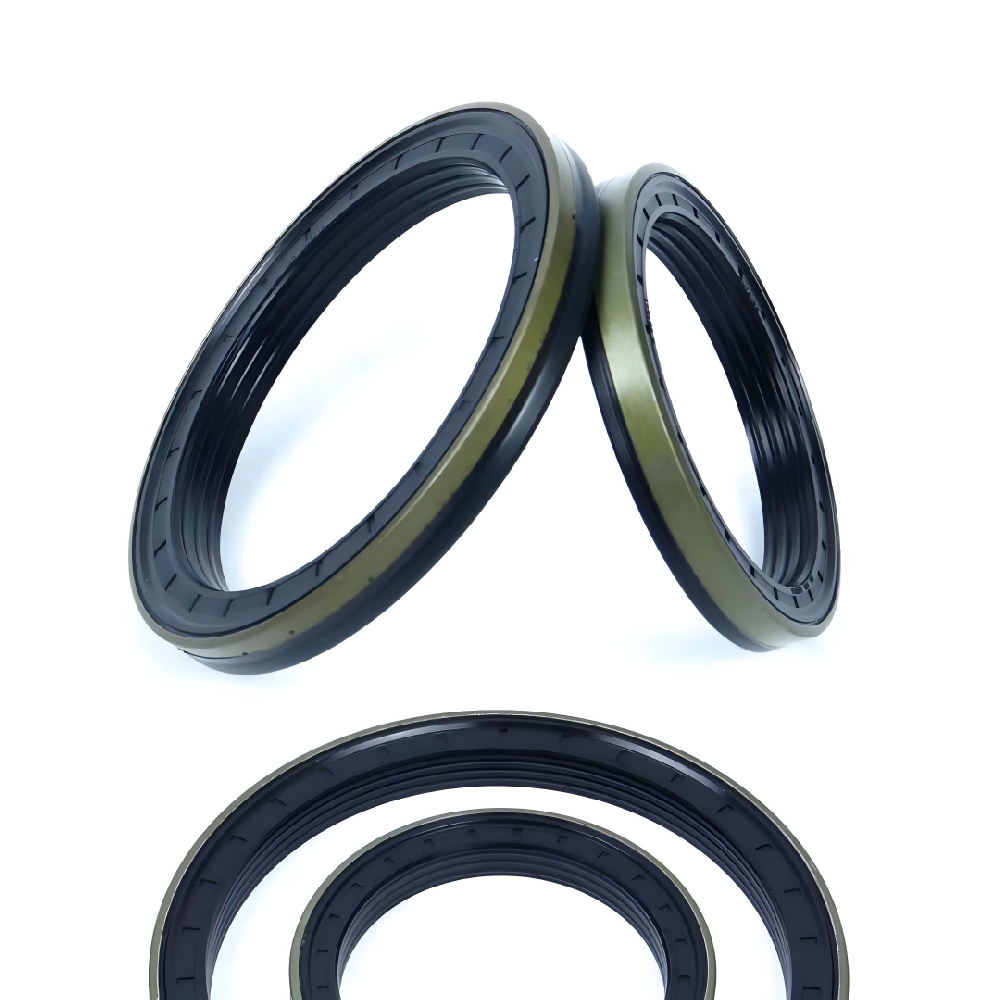
When it comes to maintaining heavy agricultural and construction equipment, the integrity of your wheel hubs, transmissions, and differentials is non-negotiable. At the heart of that integrity lies a component often overlooked until it fails: the RWDR Cassette Oil Seal.
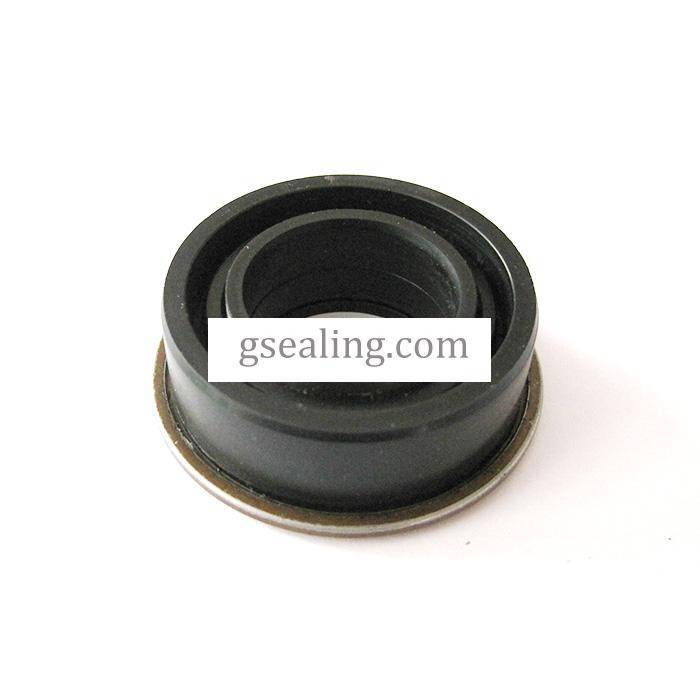
For John Deere machinery operating in harsh, muddy, and high-load environments, the standard lip seal often isn't enough. This guide dives deep into the OEM-spec John Deere RWDR Cassette Oil Seal, focusing on its construction, why it outperforms traditional seals, and how to ensure you are selecting the correct part—specifically looking at common models like the 01025740b (AL68210)
What is a "RWDR-Kassette" Oil Seal?
The term "RWDR" typically refers to a radial shaft seal, but when paired with "Kassette" (German for cassette), it signifies a significant upgrade in engineering. A cassette seal is a unitized, pre-assembled sealing system. Unlike standard oil seals that require a perfectly machined and polished shaft surface, cassette seals incorporate their own integrated wear sleeve
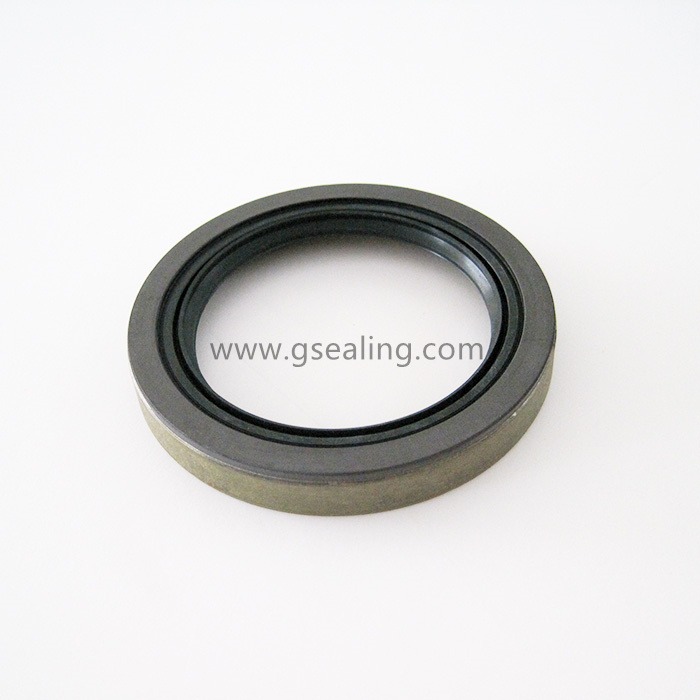
As shown in product breakdowns from manufacturers like Xing Tai Biaotuo Seal Co., these seals are built like a labyrinth,They consist of:
A Metal Outer Case: Provides a rigid fit in the housing.
An Inner Wear Sleeve: Rotates with the shaft, protecting the actual axle from wear.
Multiple Sealing Lips: Includes a primary lip (usually spring-loaded) and multiple dust/auxiliary lips
Pre-Lubricated Areas: Many OEM-style cassette seals come pre-greased to ensure immediate lubrication during installation
The OEM Focus: John Deere AL68210 / 01025740b
While there are many variations, a quintessential example of this technology is the 01025740b seal, often cross-referenced with John Deere part number AL68210
Key Specifications:
Size: Typically 121.8 mm (Inner Diameter) x 150 mm (Outer Diameter) x 13/12 mm (Height)
Application Primarily used in: Wheel Hubs for heavy-duty axles
Material: Usually manufactured from NBR (Nitrile Butadiene Rubber) , which offers excellent resistance to petroleum-based oils and greases, operating effectively between -40°C and +125°C
Why This Design Matters for Your Tractor
If you are servicing a John Deere tractor or combine, upgrading to or replacing with a genuine OEM-spec cassette seal offers three distinct advantages:
1. No Shaft Wear (The "Polish" Myth)
With traditional seals, the lip wears a groove into the shaft over time. When you replace the seal, you often have to replace or repair the shaft (or install a speedy sleeve). Because the RWDR-Kassette seal rotates with the shaft via its inner sleeve, the friction occurs between the sleeve and the seal body—not the shaft. This means the expensive axle shaft remains untouched
2. Superior Contaminant Exclusion
Agricultural equipment operates in dirt, mud, and water. Cassette seals feature a "labyrinth system." As noted in technical product descriptions, the combination of rubber bumpers, radial/axial additional lips, and contactless barriers creates a tortuous path that contaminants simply cannot penetrate.
3. Simplified Installation
Because they are "unitized," you cannot easily damage the lip during installation. There is no separate garter spring to pop out, and the assembly is rigid enough to be tapped into place squarely.
Technical Deep Dive: The "Nine-Point" Advantage
When sourcing an OEM manufacturer replacement (like those adhering to Corteco or Demaisi standards), look for seals that incorporate these specific design features, often listed in engineering datasheets:
Metal/Rubber OD (Outside Diameter): Prevents "bounce-back" and creep in the housing, ensuring the seal stays put even with thermal expansion.
Pre-Lubricated Zones: High-quality seals have grease packed into specific areas inside the cassette to handle the first few revolutions and disperse heat.
Ground Metal Cage: The surface where the lip rides is precision-ground. This reduces friction and increases the lifespan of the NBR element.
Curved Metal Part: This allows for easy prying during disassembly without destroying the housing bore.
Hot Products
-
 View More
-
 View More
PTFE Lip Oil Seals for Air Compressor - Professional Manufacturer Supply
-
 View More
Bearing Seals & Gaskets Manufacturer - China OEM Factory Supplier
-
 View More
Magnetic Seals | Magnetic Abs OEM Bearing Seals China Manufacturer
-
 View More
EPDM Rubber O-Ring Seal Factory | Custom Sizes China Manufacturer
-
 View More
Rubber Check Valve for Automotive Oil Filter - OEM Supplier
-
 View More
HNBR O-Ring OEM Manufacturer | Hydrogenated Nitrile Seals China
-
 View More
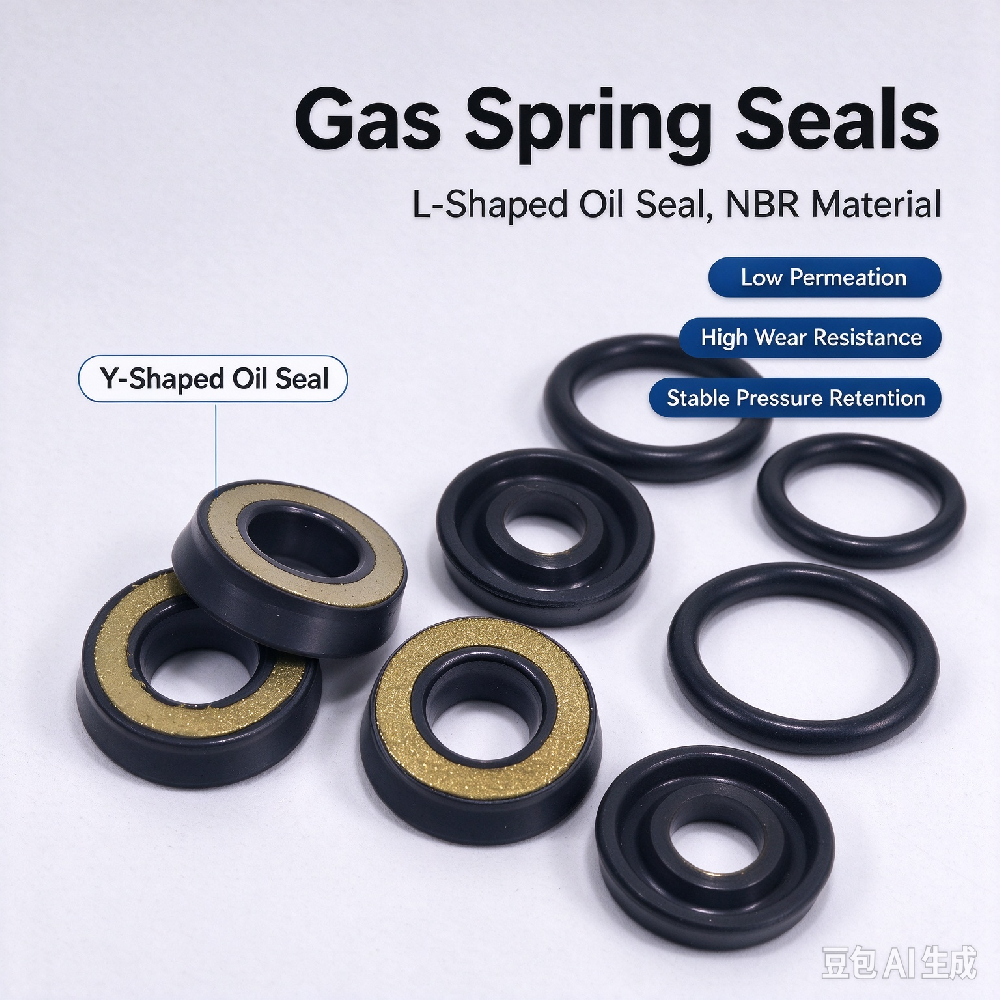
L type Gas Spring Seals /Manufacturer/Factory Supply/OEM high quality
-
 View More
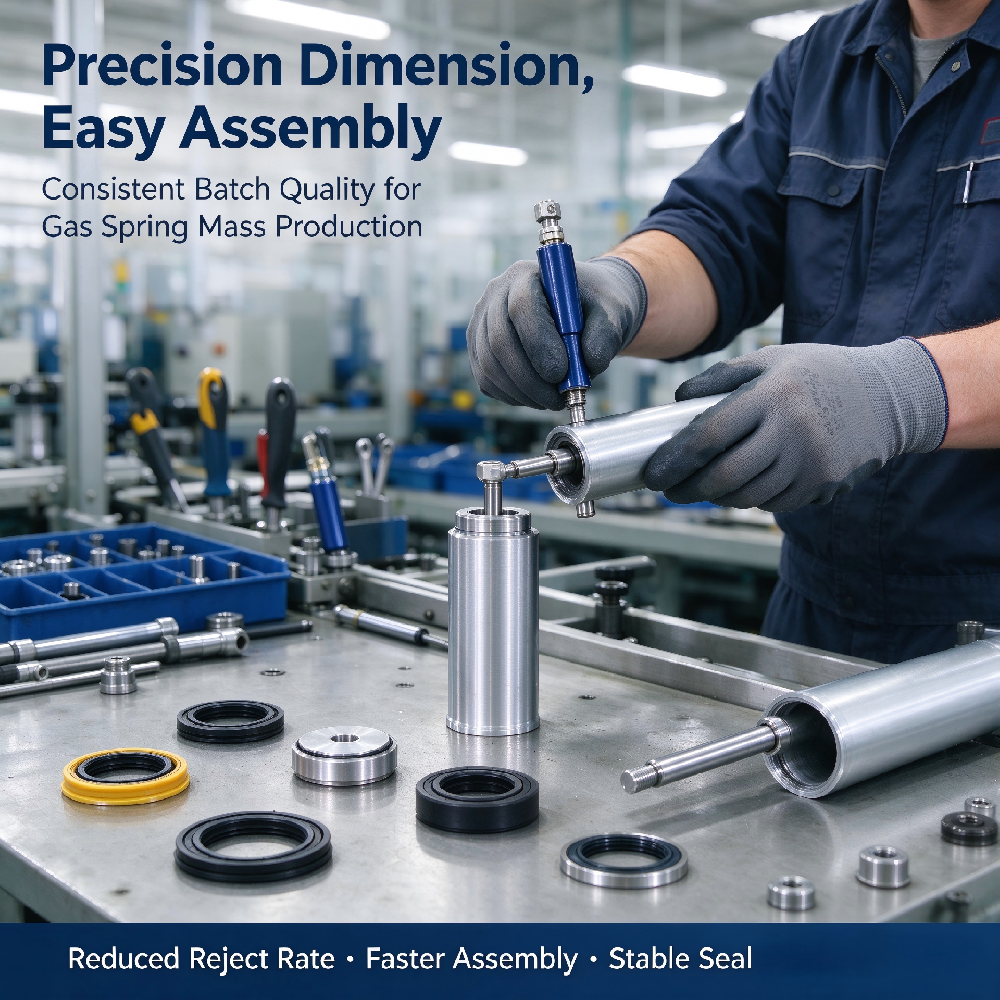
Y-Type High pressure Gas Spring Oil Seal 10×24×3.5mm, OEM Gas Spring Sealing Component for Gas Spring Manufacturers
-
 View More
24898 (SKF CRWA1) Oil Seal|Replacement for SKF Part Number 24898
-
 View More
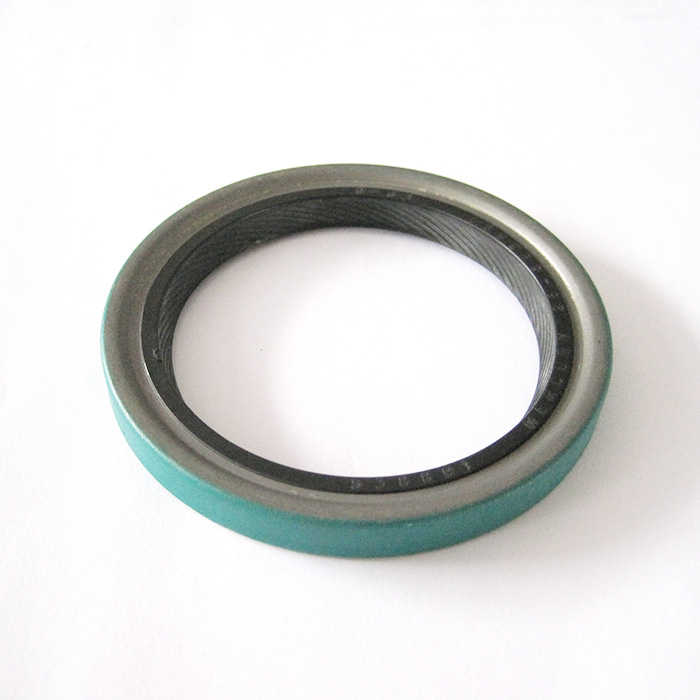
24863 Radial Shaft Oil Seals Single Lip withe metal case
-
 View More
TC Rubber Lip Oil Seal Manufacturer | TC Type Oil Seal Supplier
-
 View More
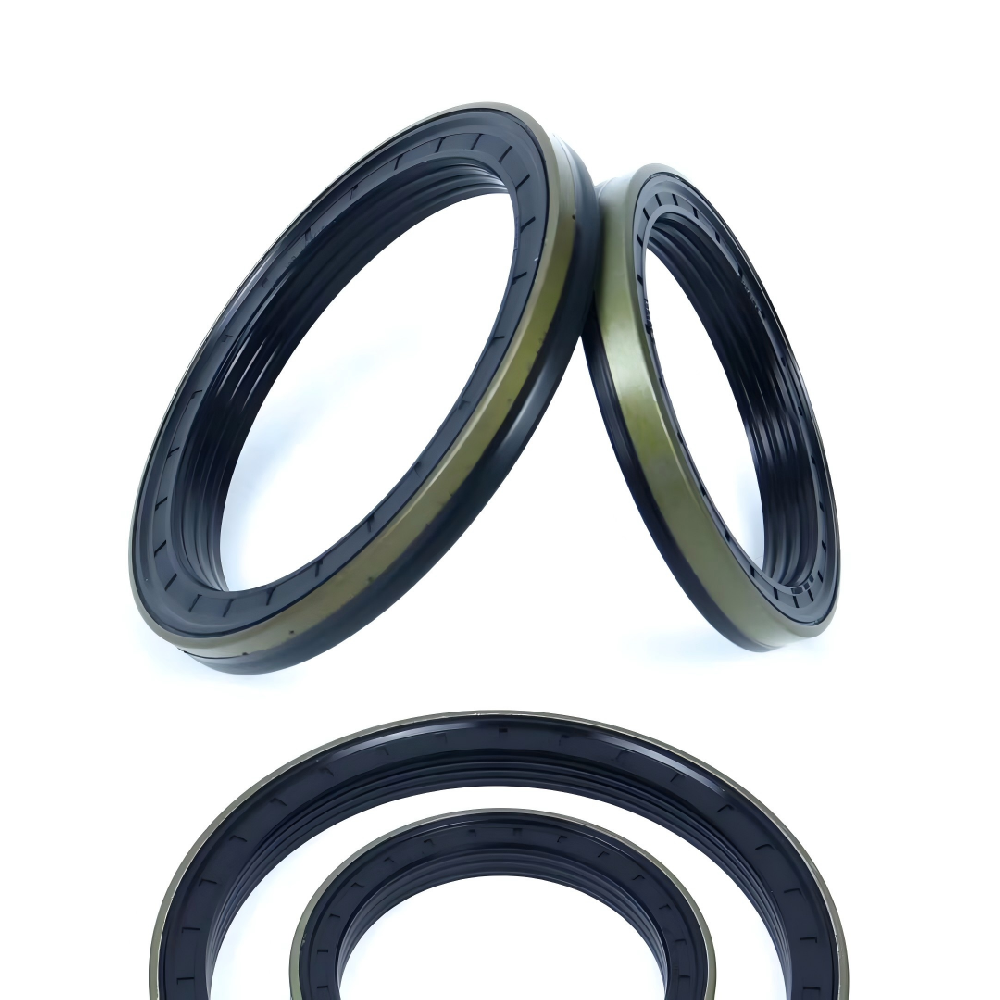
John Deere RWDR Cassette Oil Seal - OEM Manufacturer
-
 View More
Valley Valmont Gearbox Oil Seal - Irrigation OEM Supplier
-
 View More
Custom Shock Absorber Oil Seals | OEM Manufacturer | IATF16949 Damper Seals for OEM Factories

Do you have a question? Feel free to contact!
 Tel:
+8613967511577
Tel:
+8613967511577
 E-mail:
sale@gsealing.com
E-mail:
sale@gsealing.com
 Add:
Cixi,Ningbo ,zhejiang, 312300, China.
Add:
Cixi,Ningbo ,zhejiang, 312300, China. 
Copyright © YIWU GREAT SEAL RUBBER PRODUCTS COMPANY All rights reserved.
OEM Rubber Driving belts Manufacturers
