

Why High-Quality Y-Type Seals Determine Gas Spring Service Life and Stability
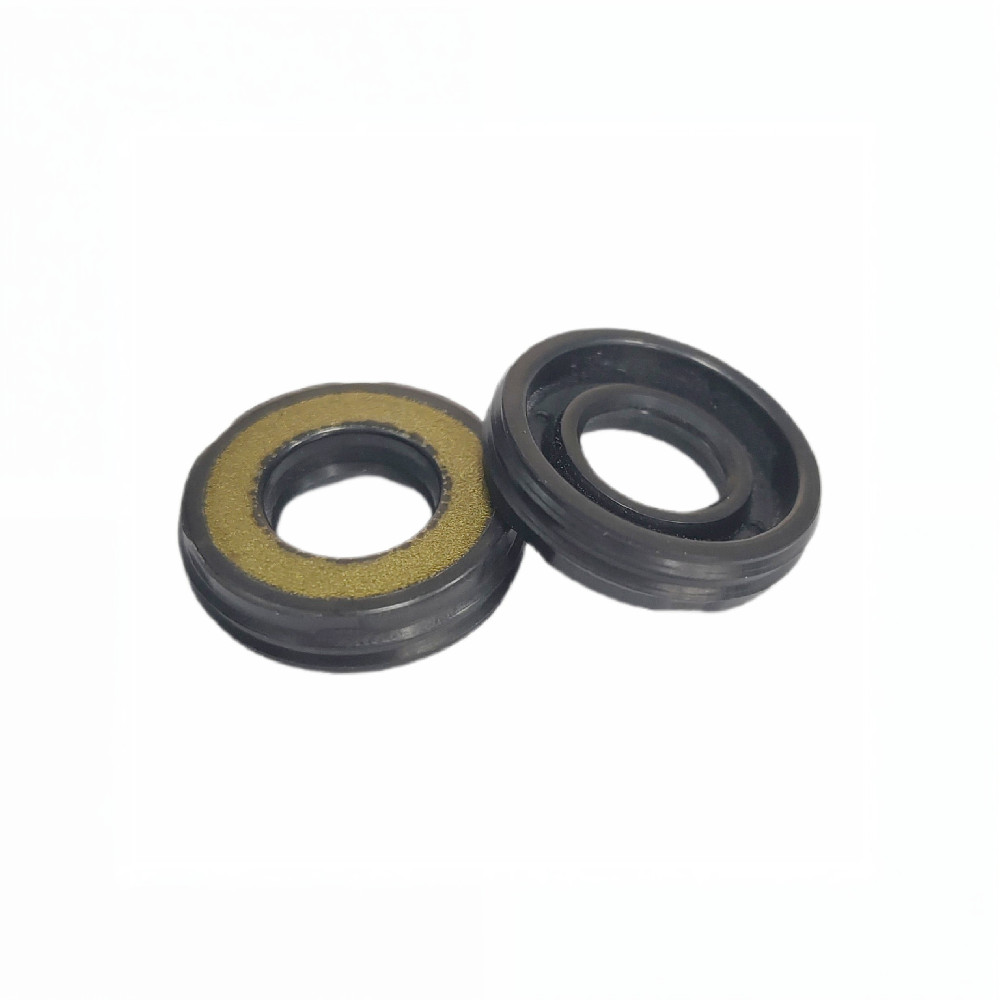
In the global gas spring manufacturing industry, most product failures and after-sales complaints are not caused by cylinder bodies or piston rods, but by tiny core components — gas spring seals. As the key barrier for nitrogen pressure locking and lubricating oil sealing, the quality and structural design of seals directly affect the air tightness, operating stability and overall service life of gas struts. For gas spring manufacturers, choosing standardized OEM-grade Y-type seals is one of the most cost-effective ways to reduce defective rates and improve product competitiveness.
The Core Role of Gas Spring Seals
A gas spring is a precision closed pressure-bearing component that relies on internal high-pressure nitrogen and lubricating oil to achieve buffer lifting and telescopic reset functions. The seal acts as the core reciprocating sealing unit, undertaking two critical tasks throughout the product lifecycle. First, it permanently locks internal nitrogen pressure to avoid pressure attenuation and insufficient lifting force. Second, it isolates internal lubricating oil to prevent oil seepage and external dust impurities from entering the interior.
Unlike static seals, gas spring seals work in a high-frequency reciprocating friction environment for a long time. They need to maintain stable elasticity under alternating pressure, low friction operation and long-term aging resistance. Once the sealing performance fails, the gas spring will suffer from insufficient support force, slow reset, oil leakage and even complete scrapping, which seriously affects the product quality of furniture, automotive, medical and industrial equipment supporting scenarios.
Main Causes of Premature Seal Failure
In actual mass production and end-user use, the premature failure of gas spring seals is concentrated in four major pain points, which are also key problems that restrict the quality upgrade of gas spring products:
1. Unreasonable structural design
Ordinary flat seals lack adaptive pressure adjustment capability. When the internal nitrogen pressure fluctuates, the fitting gap between the seal and the piston rod changes, resulting in unstable sealing effect and gradual gas leakage. The traditional single-sided sealing structure also cannot balance oil and gas sealing performance at the same time, which is prone to oil seepage or pressure loss.
2. Inferior raw material performance
Many low-cost seals adopt recycled rubber materials, which have poor aging resistance, insufficient wear resistance and easy hardness change. Under long-term friction and temperature alternation, the seal lip is prone to hardening, cracking and permanent deformation, completely losing the sealing function. In addition, unqualified rubber formulas cannot resist environmental erosion, and are easy to age and fail in outdoor and high-low temperature working conditions.
3. Dimensional tolerance deviation
Gas spring assembly belongs to precision matching. Slight deviations in inner diameter, outer diameter and thickness of seals will lead to excessive compression or loose fitting. Excessive compression will aggravate friction wear, while loose fitting will directly cause air and oil leakage, greatly reducing the product qualification rate of factory assembly.
4. Poor adaptability to working conditions
General seals cannot cope with complex working conditions such as lateral load, dust pollution and frequent stretching. Long-term asymmetric friction and surface particle abrasion will cause eccentric wear of the seal lip, forming permanent leakage channels.
Advantages of GSA Y-Type OEM Standard Gas Spring Seals
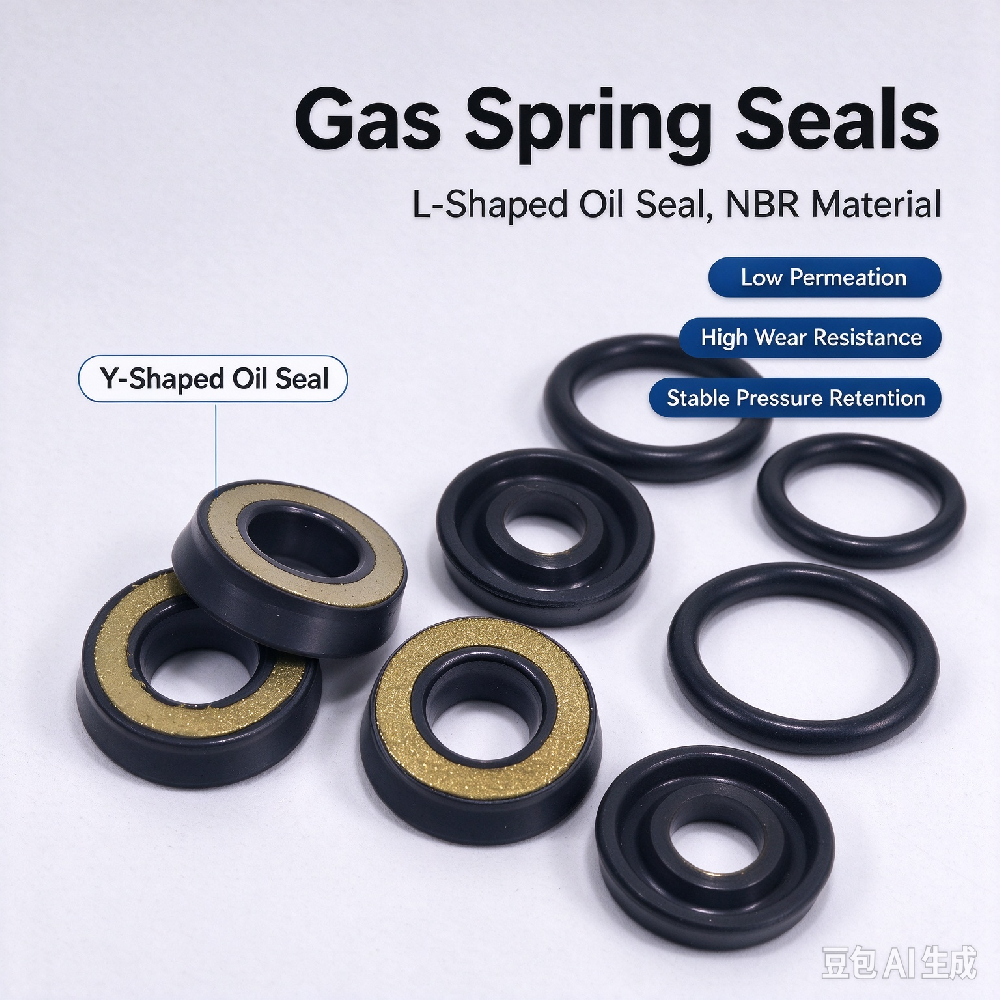
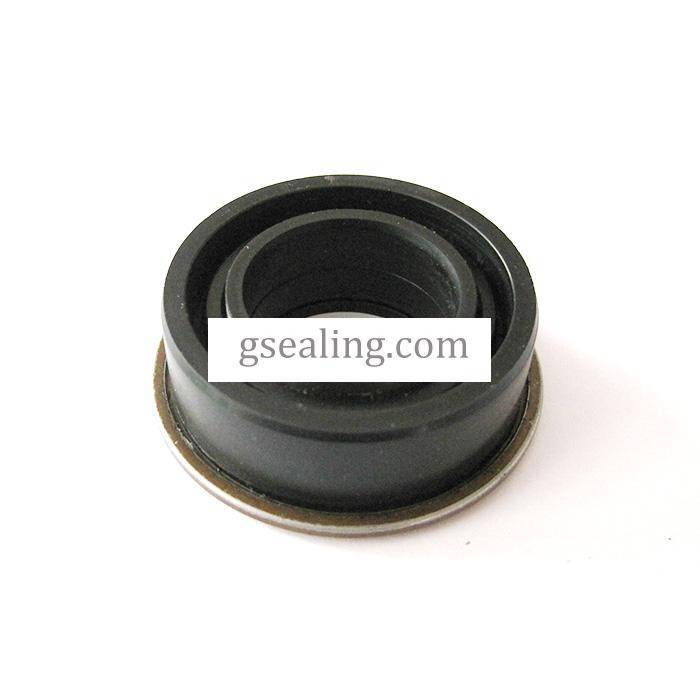
Aiming at the common failure problems of gas spring seals, our Y-Type Gas Spring Seal 10×24×3.5mm is developed and produced in strict accordance with OEM factory standards, focusing on solving the pain points of short service life and easy leakage of mass-produced gas springs, and providing stable supporting solutions for global gas spring manufacturers.
1. Optimized Y-lip adaptive sealing structure
The unique Y-shaped cross-section lip design realizes pressure self-adaptive sealing. The higher the internal nitrogen pressure, the tighter the seal fits with the piston rod surface, which effectively locks pressure and prevents leakage. The streamlined lip reduces reciprocating friction, avoids jamming and abnormal noise, and ensures smooth and stable operation of gas springs.
2. High-performance rubber material matching
The standard configuration is high-quality NBR material, with excellent wear resistance, aging resistance and low-temperature resilience, adapting to most conventional gas spring working scenarios. FKM and HNBR high-performance materials are optional for high-temperature, corrosion-resistant and special industrial scenarios, covering all mainstream application fields of gas springs.
3. Precise standard size batch consistency
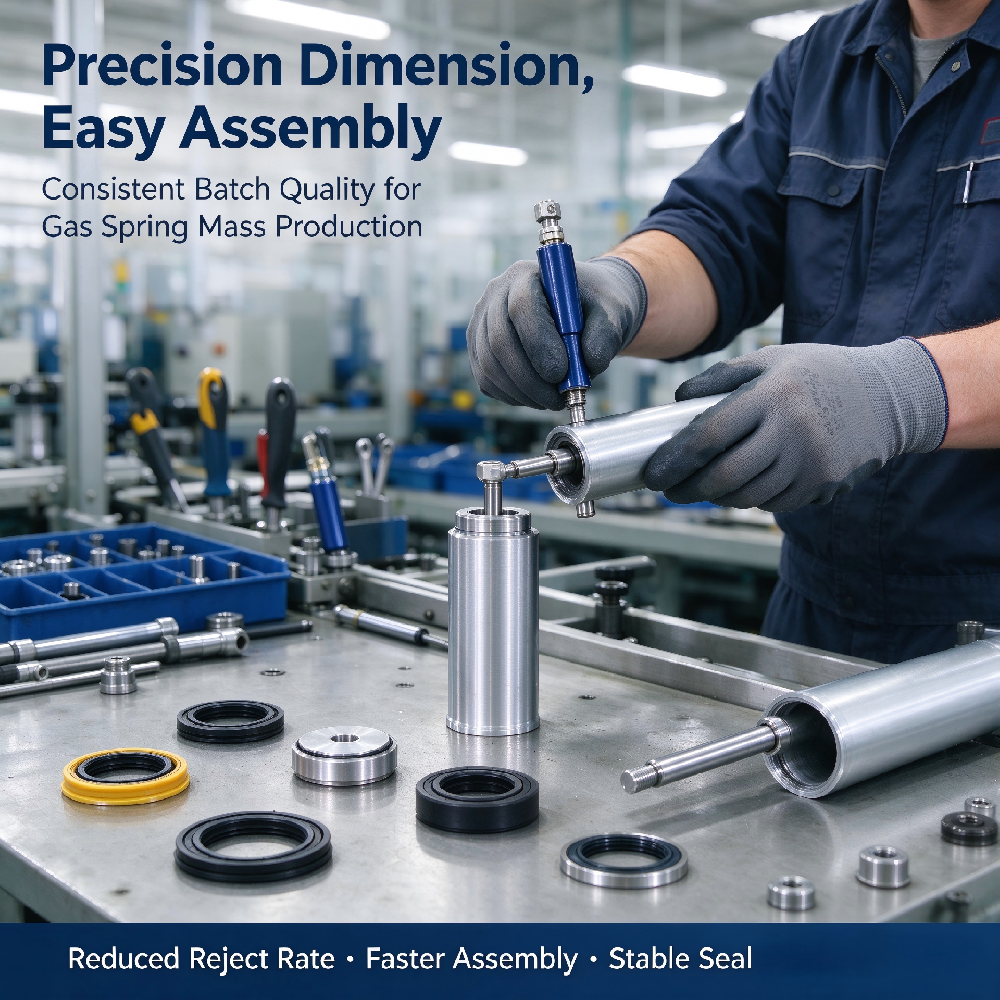
Strictly implement 10×24×3.5mm standard size with ultra-small dimensional tolerance. The whole batch of products has high consistency, which is perfectly compatible with mainstream automotive, furniture and industrial gas spring models on the market. It is convenient for factory automated assembly and unified inventory management.
4. Strict OEM quality inspection standards
All seals undergo strict pressure holding test, friction durability test and aging test before leaving the factory. They have stable batch quality, effectively reduce product after-sales failure rate, and help manufacturers improve product reputation and market competitiveness.
Industry Insight: Standardized Seals Are the Future of Gas Spring Quality Upgrade
With the continuous upgrading of the global gas spring market, end customers have higher and higher requirements for product stability, durability and silent performance. Low-cost and low-precision seals can no longer meet the market demand for high-quality gas springs. More and more professional gas spring manufacturers are beginning to pay attention to the matching degree and quality stability of supporting seals, and take standardized OEM-grade seals as the core standard of product quality control.
As a professional supporting manufacturer of gas spring seals, GREAT SEAL always focus on the R&D and batch production of high-precision sealing components, adhere to OEM quality standards, provide stable, reliable and cost-effective sealing solutions for global customers, and support customized size and material services to meet the personalized production needs of different manufacturers.
Conclusion
The tiny seal is the key to determine the comprehensive performance of gas springs. Choosing high-quality Y-type gas spring seals can fundamentally solve common problems such as air leakage, oil seepage and short service life of gas springs, reduce enterprise production costs and after-sales pressure, and win long-term market advantages for gas spring manufacturers.
Hot Products
-
 View More
-
 View More
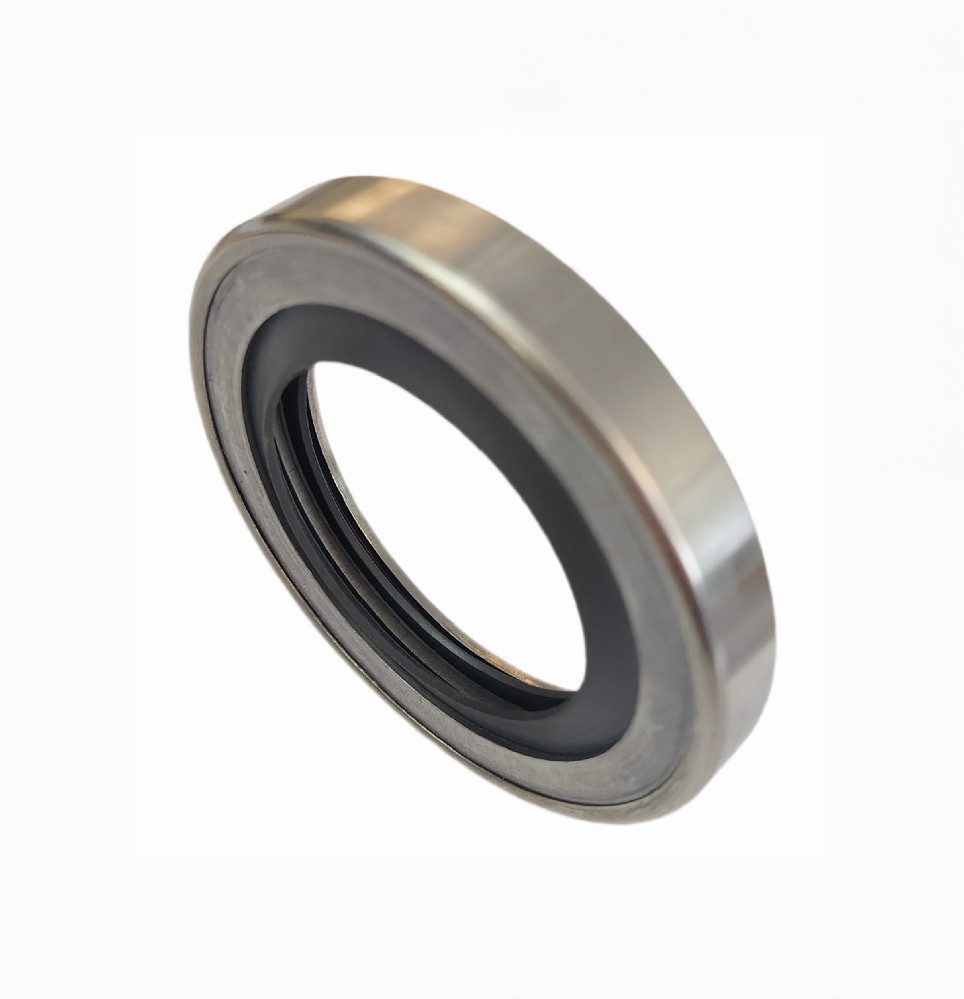
PTFE Lip Oil Seals for Air Compressor - Professional Manufacturer Supply
-
 View More
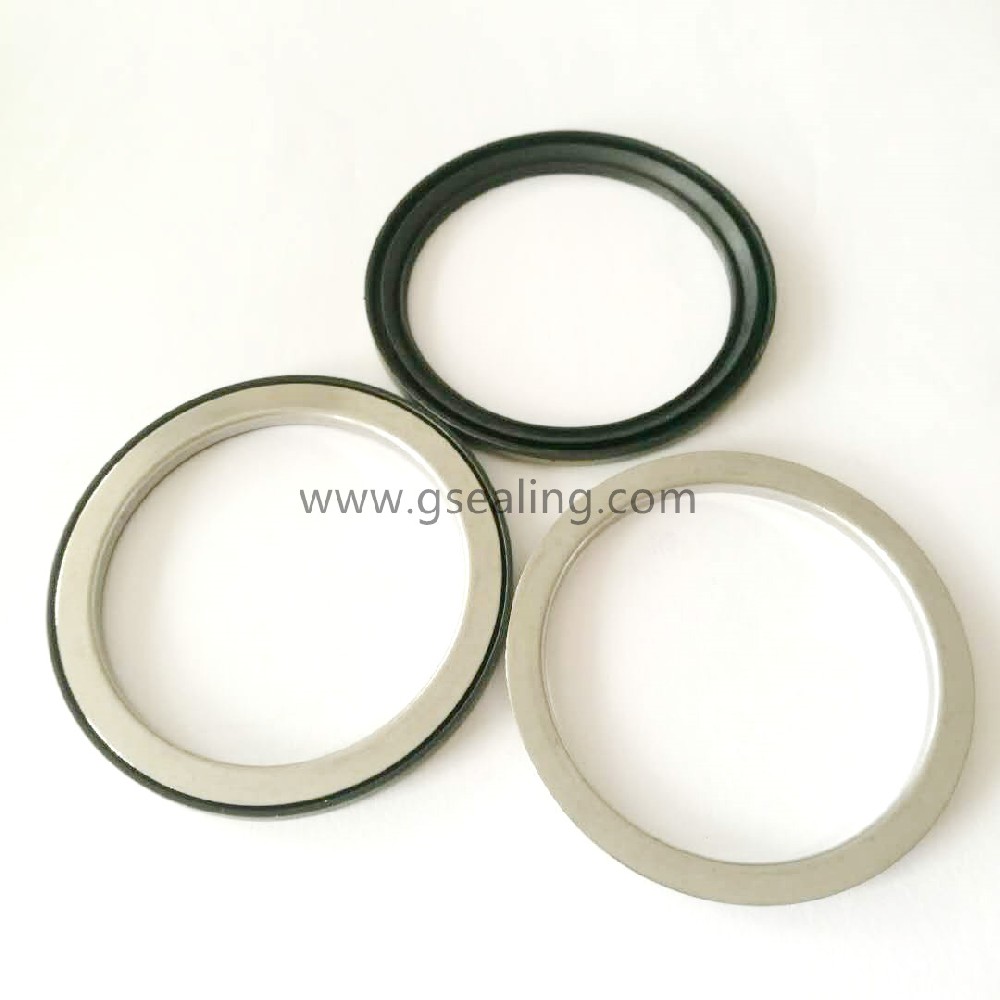
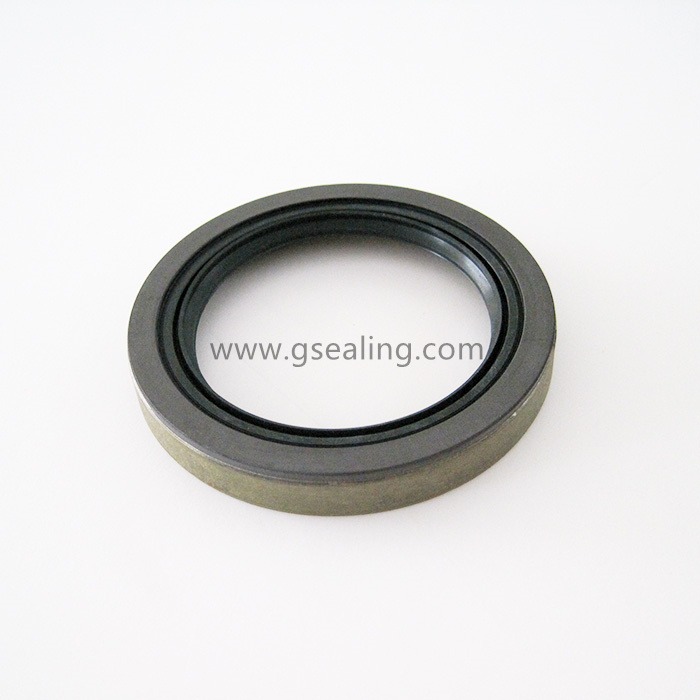
Bearing Seals & Gaskets Manufacturer - China OEM Factory Supplier
-
 View More
Magnetic Seals | Magnetic Abs OEM Bearing Seals China Manufacturer
-
 View More
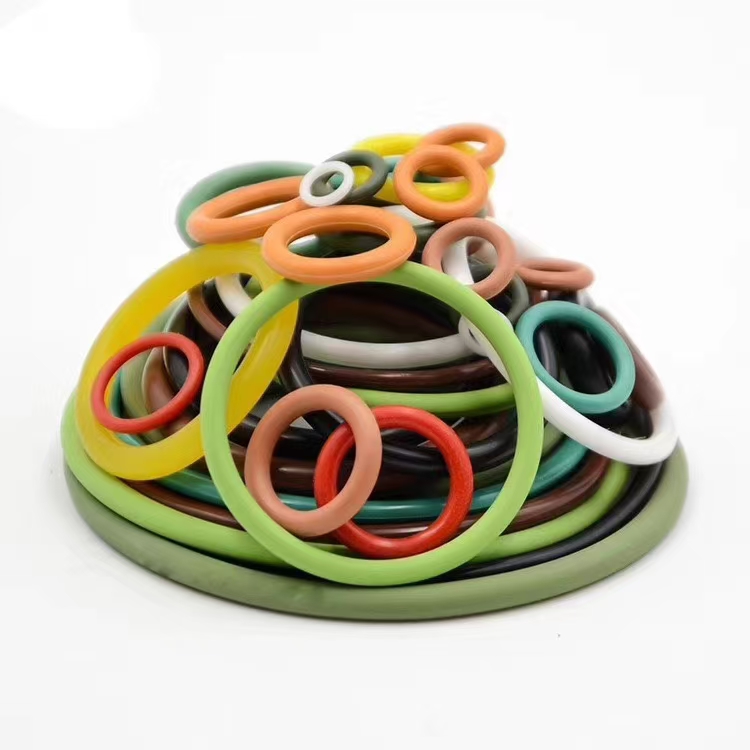
EPDM Rubber O-Ring Seal Factory | Custom Sizes China Manufacturer
-
 View More
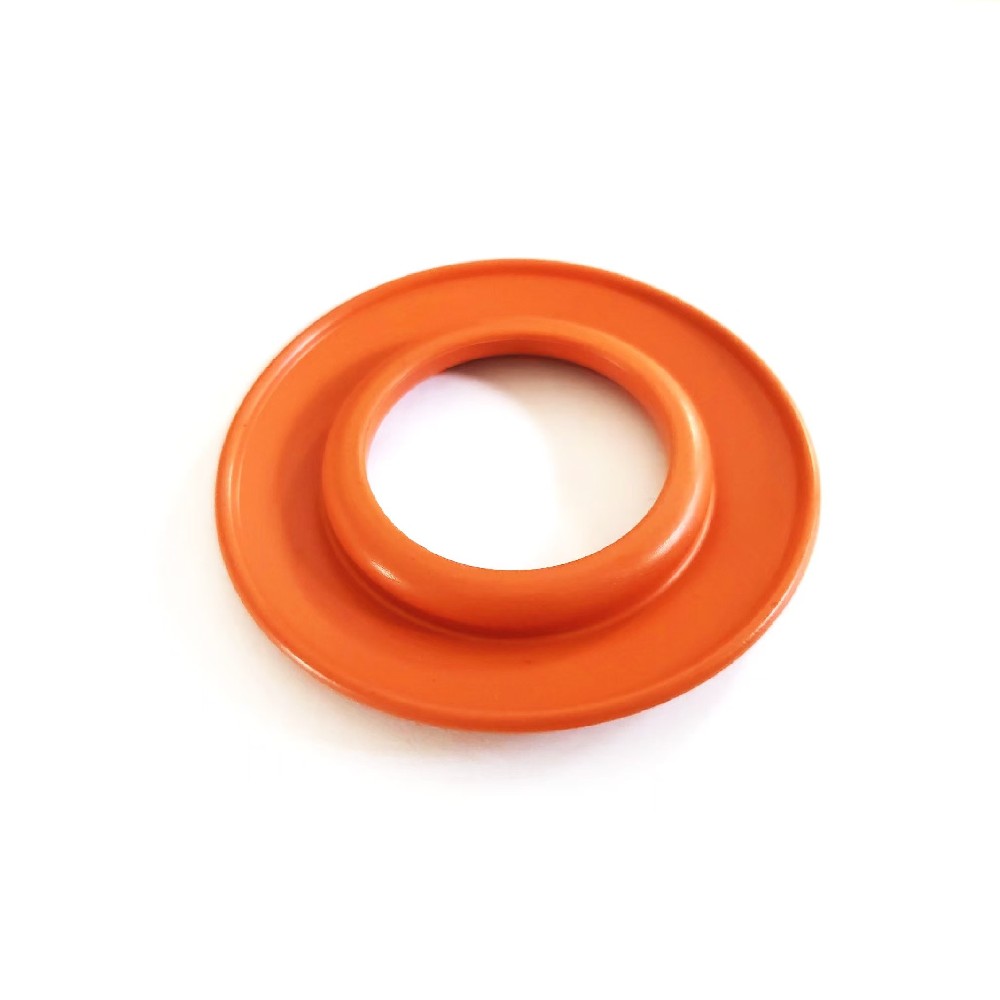
Rubber Check Valve for Automotive Oil Filter - OEM Supplier
-
 View More
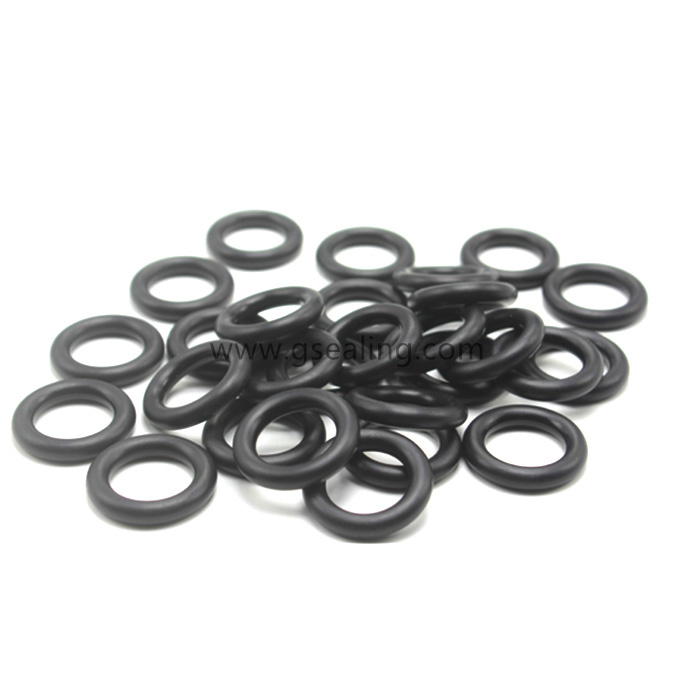
HNBR O-Ring OEM Manufacturer | Hydrogenated Nitrile Seals China
-
 View More
L type Gas Spring Seals /Manufacturer/Factory Supply/OEM high quality
-
 View More
Y-Type High pressure Gas Spring Oil Seal 10×24×3.5mm, OEM Gas Spring Sealing Component for Gas Spring Manufacturers
-
 View More
24898 (SKF CRWA1) Oil Seal|Replacement for SKF Part Number 24898
-
 View More
24863 Radial Shaft Oil Seals Single Lip withe metal case
-
 View More
TC Rubber Lip Oil Seal Manufacturer | TC Type Oil Seal Supplier
-
 View More
John Deere RWDR Cassette Oil Seal - OEM Manufacturer
-
 View More
Valley Valmont Gearbox Oil Seal - Irrigation OEM Supplier
-
 View More
Custom Shock Absorber Oil Seals | OEM Manufacturer | IATF16949 Damper Seals for OEM Factories

Do you have a question? Feel free to contact!
 Tel:
+8613967511577
Tel:
+8613967511577
 E-mail:
sale@gsealing.com
E-mail:
sale@gsealing.com
 Add:
Cixi,Ningbo ,zhejiang, 312300, China.
Add:
Cixi,Ningbo ,zhejiang, 312300, China. 
Copyright © YIWU GREAT SEAL RUBBER PRODUCTS COMPANY All rights reserved.
OEM Rubber Driving belts Manufacturers
