

TCN Oil Seal for Excavators: High-Pressure Resistance and OEM Excellence
Introduction
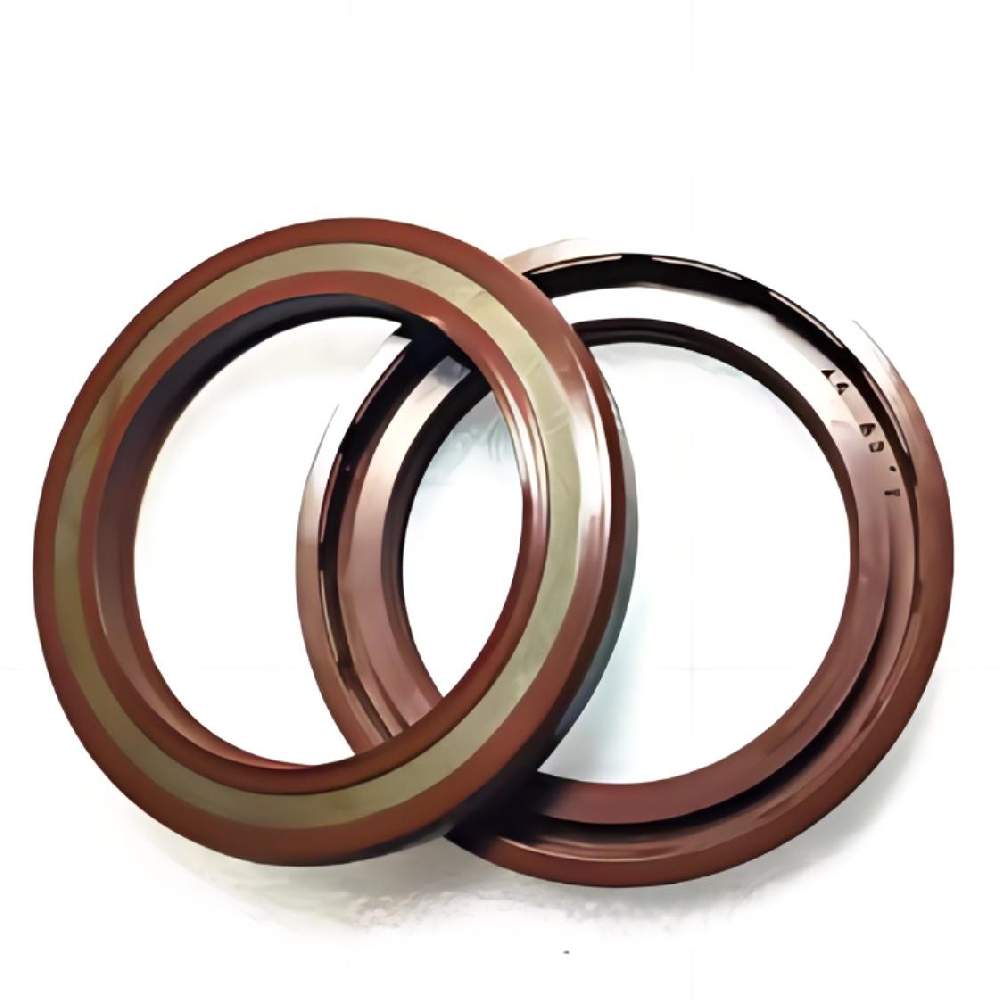
In the demanding world of hydraulic excavators, sealing reliability is not merely a maintenance consideration—it is a critical determinant of equipment uptime, operational efficiency, and total cost of ownership. Among the various sealing solutions available, the TCN oil seal has emerged as the industry standard for high‑pressure rotating shaft applications in construction machinery.
Designed as an internal skeleton external rubber type oil seal, the TCN works by isolating lubricated drive components from output parts, preventing oil leakage while withstanding the extreme pressures characteristic of modern hydraulic systems. This article provides a comprehensive technical overview of TCN oil seals for excavators, examining their design principles, performance specifications, material options, and OEM advantages.
Technical Specifications
TCN oil seals are engineered to perform under some of the most punishing conditions in industrial machinery. The following table summarizes key technical parameters:
| Parameter | Specification |
| Pressure Resistance – Base Models | Up to 60 MPa |
| Pressure Resistance – Pro Models | Up to 58.5 MPa |
| Operating Temperature Range | –40°C to +120°C |
| Shaft Tolerance | ISO H11 |
| Minimum Shaft Hardness | 45 HRC |
| Shaft Surface Roughness | Ra = 0.2–0.8 μm, Rz = 1–5 μm, Rmax ≤ 6.3 μm |
| Housing Tolerance | ISO H8 |
| Housing Roughness | Ra = 1.6–6.3 μm, Rz = 10–20 μm, Rmax ≤ 25 μm |
| Elastomer Hardness | 80–90 Shore A |
The pressure resistance of TCN seals significantly exceeds that of standard TC or TCV types, which are typically limited to pressures below 0.5 MPa. This makes TCN the preferred choice for high‑pressure hydraulic systems in excavators.
Design and Construction
The TCN oil seal’s superior pressure resistance stems from its distinctive structural design. Unlike conventional oil seals, the TCN incorporates several engineering features specifically optimized for high‑load, high‑pressure conditions.
Core Structural Components
1. Integrated Metal Skeleton
The TCN features a robust metal casing that ensures secure press‑fit installation and maintains dimensional stability under pressure. This internal skeleton design provides the structural integrity necessary to prevent seal deformation when subjected to high hydraulic pressures.
2. Dual‑Lip Sealing System
The seal incorporates a primary sealing lip to retain lubricants under dynamic rotary motion, complemented by an auxiliary dust lip that prevents the ingress of contaminants such as dirt, moisture, and debris. This dual‑lip configuration ensures both fluid retention and contamination exclusion.
3. Spring‑Loaded Inner Lip
A short coil spring supports the sealing lip, maintaining consistent radial contact with the shaft surface even under varying operational conditions. This feature compensates for shaft runout and thermal expansion, ensuring reliable sealing performance throughout the equipment’s operating range.
4. Auxiliary Cage for Pressure Resistance
The TCN design includes an auxiliary cage that minimizes lip deformation under pressure. This is a critical differentiator from standard seals, as lip deformation is the primary failure mode in high‑pressure applications.
Structural Accuracy
TCN seals are manufactured to precise dimensional tolerances. The specified shaft tolerance of H11 and housing tolerance of H8 ensure proper interference fit. Surface finish requirements are equally stringent, with shaft roughness specified at Ra = 0.2–0.8 μm to ensure optimal sealing contact without excessive wear.
Material Options
TCN oil seals are available in a range of elastomer materials to suit different operating environments and fluid compatibilities.
| Material | Properties | Typical Applications |
|---|---|---|
| NBR (Nitrile Butadiene Rubber) | Excellent oil resistance, abrasion resistance, good elasticity | General hydraulic oil sealing, standard excavator applications |
| FKM (Fluorocarbon Rubber) | High‑temperature resistance, chemical resistance | High‑temperature environments, chemically aggressive fluids |
| HNBR (Hydrogenated Nitrile) | Enhanced heat and ozone resistance | Demanding hydraulic applications with extended service life requirements |
The choice of material directly impacts seal performance, with NBR offering 20% better oil resistance than natural rubber seals. For extreme environments, FKM provides superior performance at elevated temperatures and in the presence of aggressive chemicals.
Applications in Excavators
TCN oil seals are deployed across multiple critical systems in excavators.
Hydraulic Pumps
The primary application is in excavator hydraulic pumps, where they seal rotating shafts against high‑pressure hydraulic fluid. These pumps operate at pressures that can exceed 40 MPa, requiring sealing solutions that maintain integrity under extreme loads.
Swing Gearboxes
Excavator swing gearboxes rely on TCN seals to retain lubricant while preventing contamination ingress during rotational motion. The spring‑loaded lip design ensures consistent sealing performance despite the bidirectional rotation and shock loads characteristic of swing operations.
Travel Motors
Travel motor applications demand seals that can withstand both high pressure and the abrasive conditions of construction sites. TCN seals are specified for excavator shaft travel motors with pressure ratings up to 5000 psi (approximately 34.5 MPa).
Hydraulic Cylinders
While piston seals are typically used in cylinder applications, TCN rotary shaft seals are employed where rotating shafts penetrate hydraulic system boundaries.
Performance Advantages
Pressure Resistance
The TCN’s integrated skeleton design and auxiliary cage provide exceptional pressure resistance. Base models withstand up to 45 MPa continuously, while Pro models offer a +30% increase (58.5 MPa), ensuring reliable sealing even in the most demanding excavator hydraulic systems.
Temperature Stability
With an operating range of –40°C to +120°C, TCN seals maintain consistent sealing performance across extreme temperature fluctuations. This is particularly important for excavators operating in diverse climates, from arctic conditions to tropical environments.
Wear Resistance
The skeleton‑supported design reduces wear by approximately 30% compared to traditional single‑lip seals. This extended service life translates to reduced maintenance frequency and lower total cost of ownership.
Contamination Exclusion
The integrated dust lip effectively prevents external contamination, ensuring optimal working conditions and extending service life. In construction environments where dust, dirt, and moisture are pervasive, this feature is essential for maintaining seal integrity.
TCN vs. TC – Understanding the Difference
A common point of confusion is the distinction between TC and TCN oil seals. While both are radial shaft seals, they serve different applications.
| Feature | TC Oil Seal | TCN Oil Seal |
| Lip Configuration | Double lip (seal + dust), spring‑loaded | Double lip with metal outer case and rubber‑coated lip |
| Pressure Rating | Low to moderate | High‑pressure capable |
| Skeleton Type | Standard metal case | Internal skeleton, external rubber |
| Auxiliary Support | None | Auxiliary cage minimizes lip deformation under pressure |
| Typical Application | General rotary shaft sealing | High‑pressure hydraulic pumps, excavator applications |
The TCN’s integrated retainer design specifically addresses pressure‑induced deformation, making it the superior choice for high‑pressure rotating shaft applications.
OEM Considerations
For equipment manufacturers and aftermarket suppliers, TCN oil seals offer several OEM advantages.
Extensive Model Coverage
TCN seals are available in a comprehensive range of sizes and OEM part number equivalents. Common models include AP1033I (20×40×11), AP1904F (32×52×11), AP2388E (40×62×11), and AP4282G (115×145×14), among many others.
Customization Capabilities
OEM customers can specify custom dimensions, material hardness, and inner ring materials to meet specific pressure or chemical resistance requirements. This flexibility allows equipment manufacturers to optimize seal performance for their specific designs.
Quality Certification
TCN oil seals from established manufacturers are produced under ISO 9001 and IATF 16949 quality management systems, ensuring consistent quality and performance.
Supply Chain Reliability
With production capabilities exceeding 5,000 pieces per week for standard models and delivery times of 1–10 days, TCN seal suppliers can meet both production and aftermarket demand.
Installation Best Practices
Proper installation is essential for maximizing TCN seal performance and service life.
Shaft Preparation – Ensure shaft surface meets specified roughness requirements (Ra = 0.2–0.8 μm) and hardness (minimum 45 HRC).
Housing Preparation – Verify housing dimensions conform to ISO H8 tolerances with appropriate surface finish.
Lubrication – Apply a thin layer of lubricant to the seal lip and shaft surface before installation to prevent initial dry running damage.
Installation Tooling – Use proper installation tooling to avoid seal damage. The seal should be pressed squarely into the housing without twisting or tilting.
Avoid Sharp Edges – Protect the seal lip from contact with sharp edges, threads, or keyways during installation.
Verify Alignment – Ensure the seal is installed perpendicular to the shaft axis to achieve proper lip contact and optimal sealing performance.
Conclusion
TCN oil seals represent the pinnacle of high‑pressure rotary shaft sealing technology for excavators and construction equipment. Their integrated skeleton design, dual‑lip configuration, spring‑loaded sealing element, and auxiliary cage provide unmatched pressure resistance and reliability in the most demanding hydraulic applications.
For equipment manufacturers seeking OEM sealing solutions, TCN seals offer extensive model coverage, customization capabilities, and proven performance across the full range of excavator applications—from hydraulic pumps and swing gearboxes to travel motors and rotating shafts. With proper selection, installation, and maintenance, TCN oil seals deliver the service life and reliability that modern construction equipment demands.
As hydraulic systems continue to evolve toward higher pressures and more demanding operating conditions, the TCN oil seal remains the engineering standard for high‑pressure rotating shaft sealing in excavators and heavy machinery.
Hot Products
-
 View More
-
 View More
PTFE Lip Oil Seals for Air Compressor - Professional Manufacturer Supply
-
 View More
Bearing Seals & Gaskets Manufacturer - China OEM Factory Supplier
-
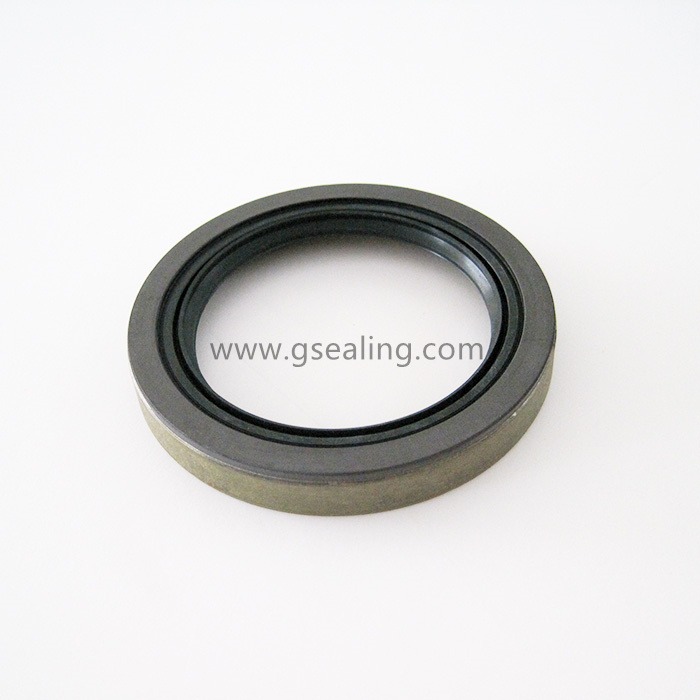 View More
Magnetic Seals | Magnetic Abs OEM Bearing Seals China Manufacturer
-
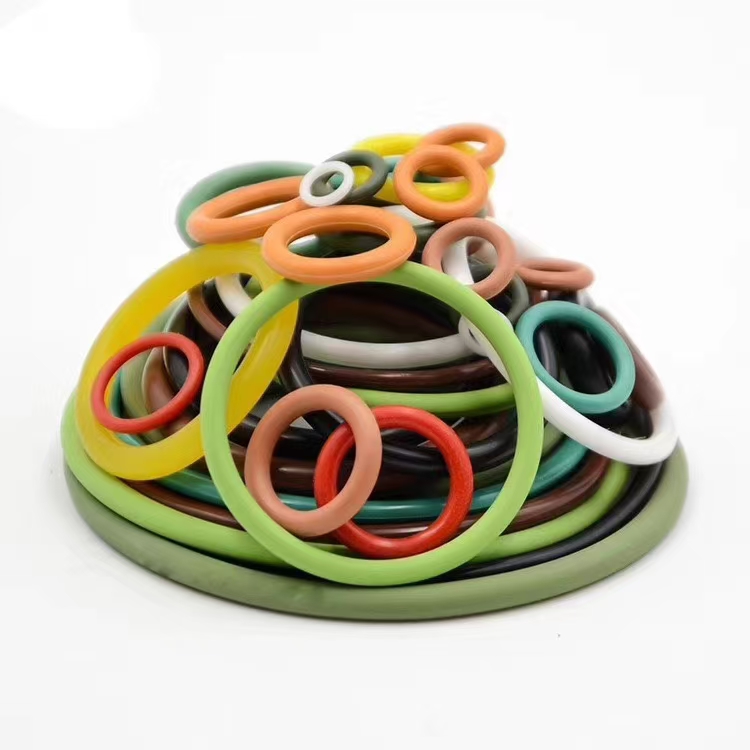 View More
EPDM Rubber O-Ring Seal Factory | Custom Sizes China Manufacturer
-
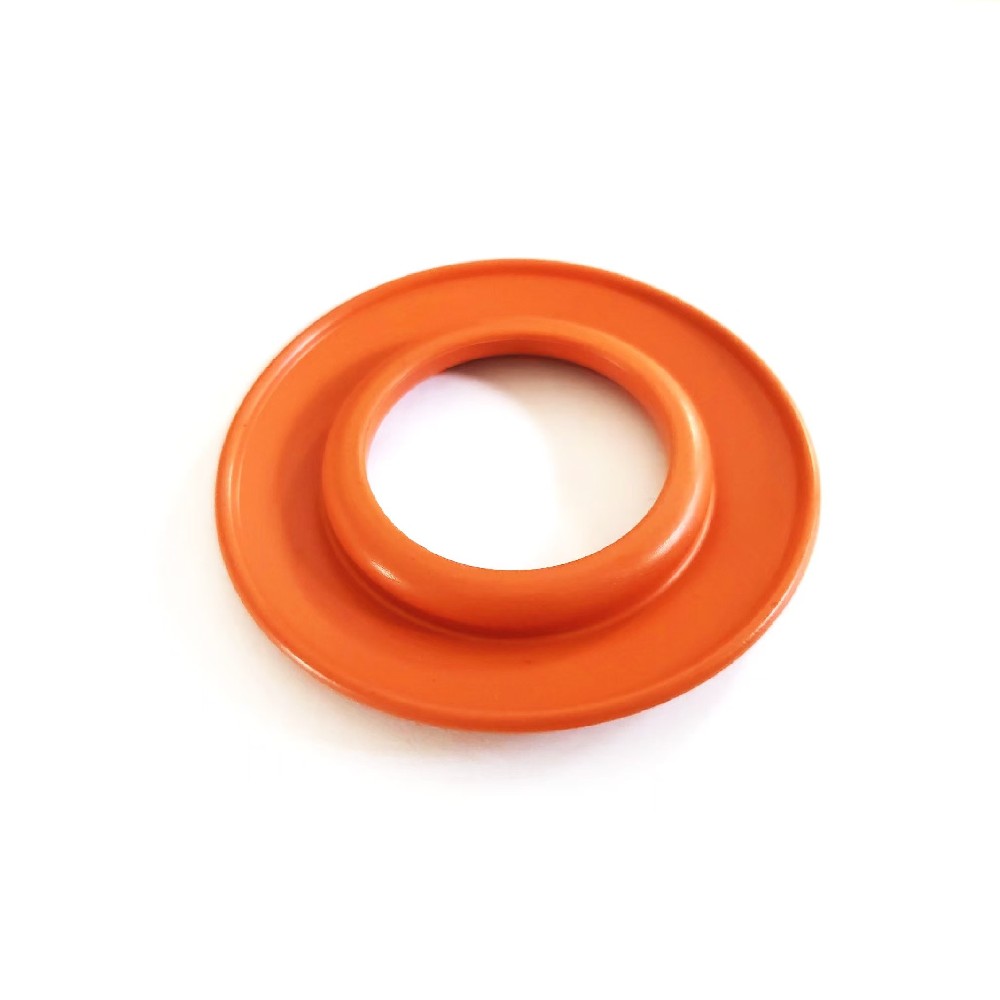 View More
Rubber Check Valve for Automotive Oil Filter - OEM Supplier
-
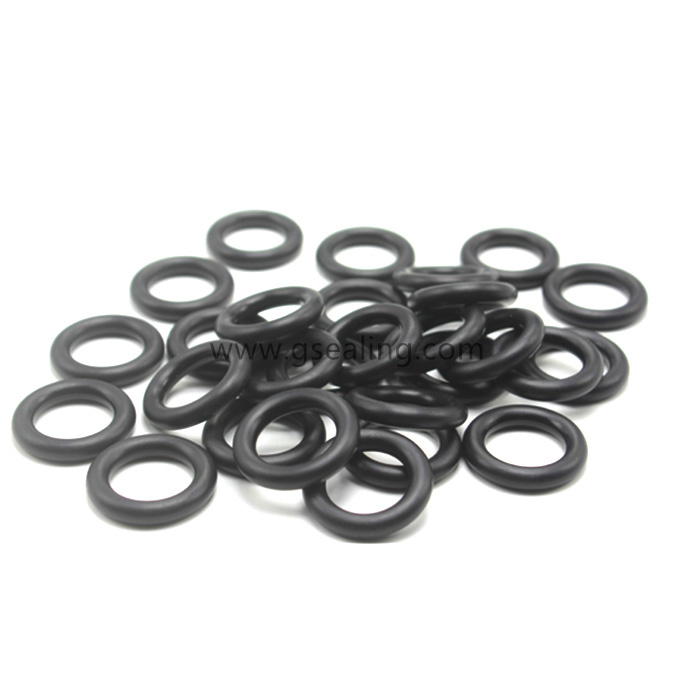 View More
HNBR O-Ring OEM Manufacturer | Hydrogenated Nitrile Seals China
-
 View More
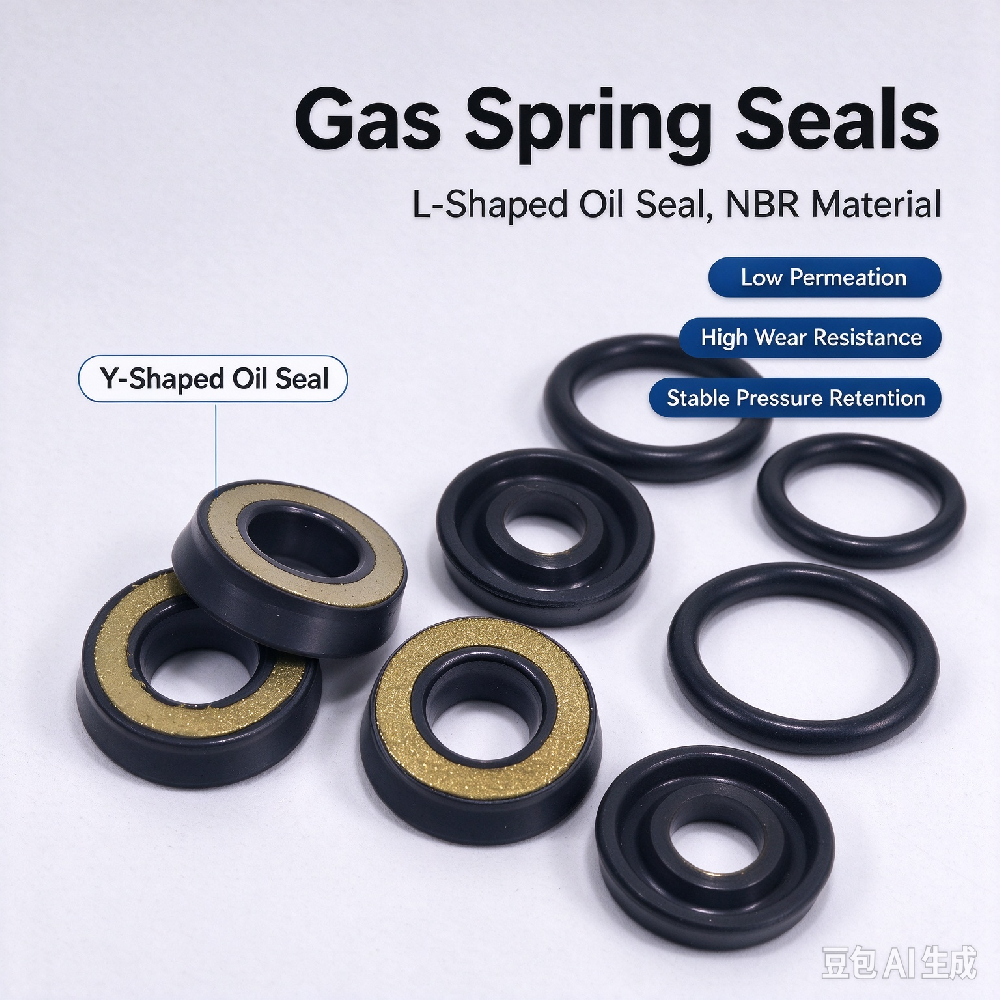
L type Gas Spring Seals /Manufacturer/Factory Supply/OEM high quality
-
 View More
Y-Type High pressure Gas Spring Oil Seal 10×24×3.5mm, OEM Gas Spring Sealing Component for Gas Spring Manufacturers
-
 View More
24898 (SKF CRWA1) Oil Seal|Replacement for SKF Part Number 24898
-
 View More
24863 Radial Shaft Oil Seals Single Lip withe metal case
-
 View More
TC Rubber Lip Oil Seal Manufacturer | TC Type Oil Seal Supplier
-
 View More
John Deere RWDR Cassette Oil Seal - OEM Manufacturer
-
 View More
Valley Valmont Gearbox Oil Seal - Irrigation OEM Supplier
-
 View More
Custom Shock Absorber Oil Seals | OEM Manufacturer | IATF16949 Damper Seals for OEM Factories

Do you have a question? Feel free to contact!
 Tel:
+8613967511577
Tel:
+8613967511577
 E-mail:
sale@gsealing.com
E-mail:
sale@gsealing.com
 Add:
Cixi,Ningbo ,zhejiang, 312300, China.
Add:
Cixi,Ningbo ,zhejiang, 312300, China. 
Copyright © YIWU GREAT SEAL RUBBER PRODUCTS COMPANY All rights reserved.
OEM Rubber Driving belts Manufacturers
