

How to Procure Automotive Shock Absorber Lip Seals – Affordable & Reliable
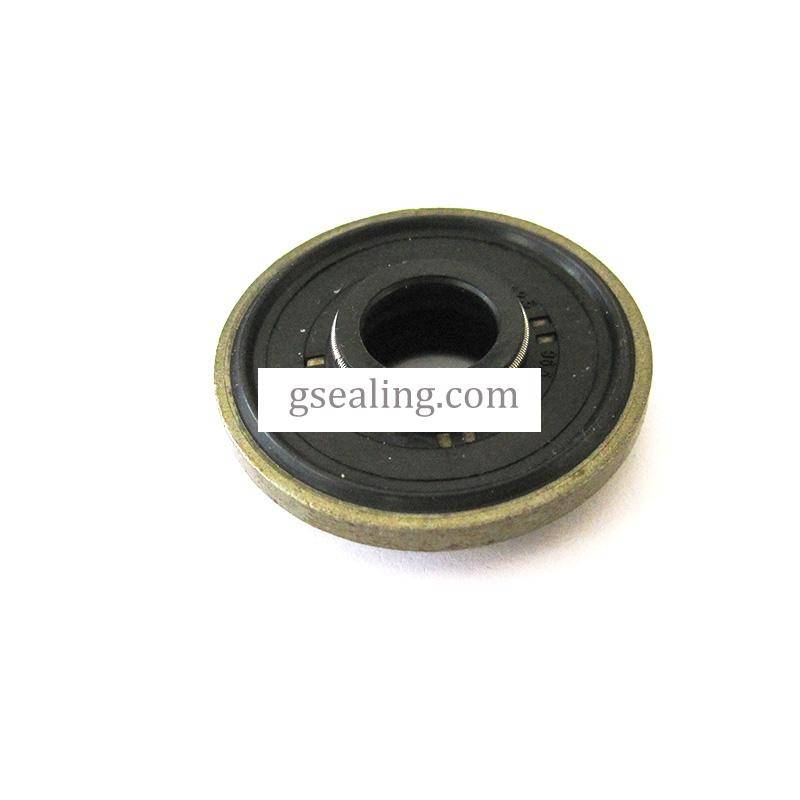
1. Define Your Technical Requirements First
Every cost‑saving strategy starts with a precise specification. Avoid over‑specifying (which raises price) or under‑specifying (which causes early failure).
Operating temperature range – Normal passenger cars: –40 °C to +120 °C. Heavy‑duty or high‑performance: up to +150 °C.
Fluid type – Standard mineral oil, synthetic oil, or special hydraulic fluids.
Dynamic pressure – Peak pressure and continuous working pressure.
Shaft speed and surface finish – Higher speeds require better wear resistance and smoother shaft surfaces (Ra ≤ 0.2 μm).
With these data, you can choose the most cost‑effective material.
2. Material Selection – The Core of Cost/Quality Trade‑off
| Material | Relative Cost | Durability | Best Application |
| NBR (Nitrile) | Low | Good | Standard passenger cars, moderate duty |
| HNBR (Hydrogenated Nitrile) | Medium | High | Heavy trucks, sporty suspensions, longer service life |
| FKM (Fluororubber) | High | Excellent | Extreme temperatures, aggressive fluids, premium vehicles |
Rule of thumb – For 80 % of aftermarket repairs, high‑grade NBR with proper compound formulation offers the best value. Only pay for HNBR or FKM when your duty cycle clearly demands it. Always request the compound’s physical test report (tensile, elongation, compression set) to verify that the “cheap” NBR is not a low‑grade substitute.
3. Supplier Selection – Beyond the Quotation
Lowest unit price often hides poor consistency, long lead times, or high rejection rates. Use this evaluation framework:
Certification – Insist on IATF 16949 (automotive quality management) and ISO 9001. These are non‑negotiable for consistent quality.
Manufacturer vs. trader – Direct factory suppliers give better control over mixing, moulding, and metal insert bonding. Ask for their production floor photos or video tours (without sharing links – request offline documents).
Process capability – Request their CPk values for critical dimensions (ID, OD, lip height). Values > 1.33 indicate stable production.
Sample policy – Always order 5–10 samples for your own bench testing. Good suppliers provide samples at a nominal fee or even free (you pay shipping).
Lead time and MOQ – Flexible MOQs (e.g., 100 pieces) allow you to test the supplier without large commitment. But for best pricing, consolidate annual demand into one or two bulk orders.
4. Cost Reduction Tactics That Do Not Harm Quality
Use standard sizes – Most shock absorber lip seals follow ISO or JIS standard dimensions. Avoid custom IDs/ODs unless absolutely necessary – custom tooling adds thousands of dollars.
Combine orders – If you need multiple seal types (e.g., different diameters), bundle them in one purchase order to reduce freight and administrative costs.
Negotiate payment terms – Offer faster payment (e.g., T/T in advance) in exchange for 2‑3 % discount. But maintain a portion as retention until batch acceptance.
Consider regional sourcing – For example, the Xingtai cluster in Hebei offers competitive pricing for high‑volume standard seals, while the Kunshan area in Jiangsu delivers tighter tolerances for OEM‑like quality. Choose based on your volume and precision needs.
Request value‑engineering suggestions – Experienced suppliers can recommend minor compound adjustments or lip design modifications that reduce material cost without reducing lifespan. Always test those suggestions.
Long‑term framework agreements – Sign a yearly supply contract with fixed pricing and forecast volumes. Suppliers lower their risk and pass savings to you.
5. Quality Verification – What to Inspect Before Bulk Order
Do not rely solely on the supplier’s certificate. Perform your own incoming inspection:
Visual and dimensional check – No flash, cracks, or surface defects. Measure ID, OD, and lip height with a precision gauge.
Hardness test – Use a durometer; deviation should be within ±5 Shore A of the specified value.
Compression set test – After 22 h at 100 °C, the set should be ≤ 25 % for NBR and ≤ 15 % for HNBR/FKM.
Dynamic leak test – Mount the seal on a test fixture simulating actual stroking and pressure. Run at least 100,000 cycles without visible leakage.
If the supplier refuses to share test data or cannot provide batch traceability, walk away – no matter how low the price.
6. Total Cost of Ownership (TCO) Calculation
A seal that costs 20 % less but fails 30 % sooner increases your total cost (replacement labour, downtime, customer complaints). Calculate:
TCO = Unit Price + (Replacement Frequency × Labour Cost) + (Failure Rate × Penalty Cost)
Often, the medium‑priced HNBR seal gives the lowest TCO over a 3‑year horizon. Use this formula to compare bids objectively.
7. Practical Negotiation Tips
Share your annual consumption forecast – even if not firm – to get better tiered pricing.
Ask for a sample approval batch (e.g., 50 pieces) at a slightly higher price, then negotiate the bulk price down after successful testing.
Inquire about surplus stock – sometimes suppliers have over‑produced standard sizes and offer discounts to clear inventory.
Combine multiple suppliers for leverage, but keep a primary supplier for consistency – dual‑sourcing is wise for risk mitigation.
8. Final Checklist Before Placing the Order
Material specification matches your operating conditions.
Supplier holds IATF 16949 certification (copy obtained).
Sample batch passed your in‑house dynamic test.
Price includes all tooling and packaging costs.
Delivery terms (Incoterms) clearly stated – FOB or CIF, with lead time in writing.
Warranty clause – at least 12 months or 50,000 km equivalent.
Rejection/replacement procedure agreed.
Hot Products
-
 View More
-
 View More
PTFE Lip Oil Seals for Air Compressor - Professional Manufacturer Supply
-
 View More
Bearing Seals & Gaskets Manufacturer - China OEM Factory Supplier
-
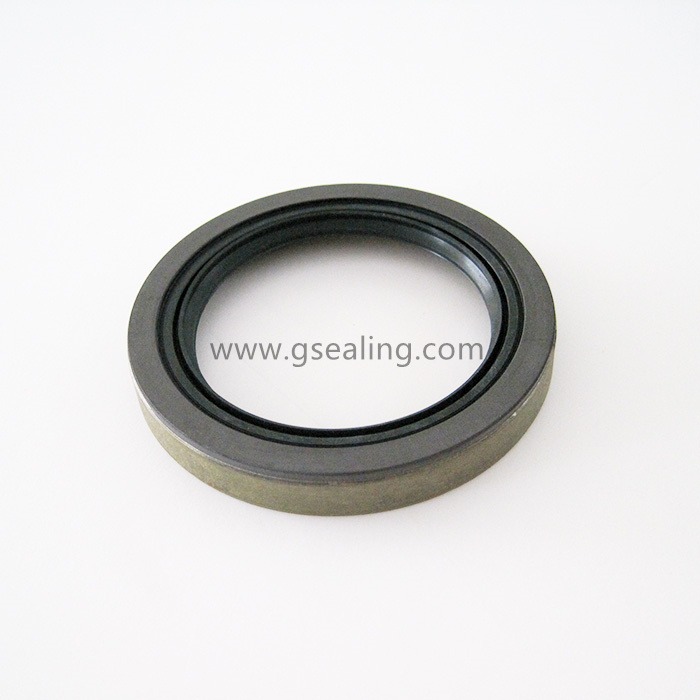 View More
Magnetic Seals | Magnetic Abs OEM Bearing Seals China Manufacturer
-
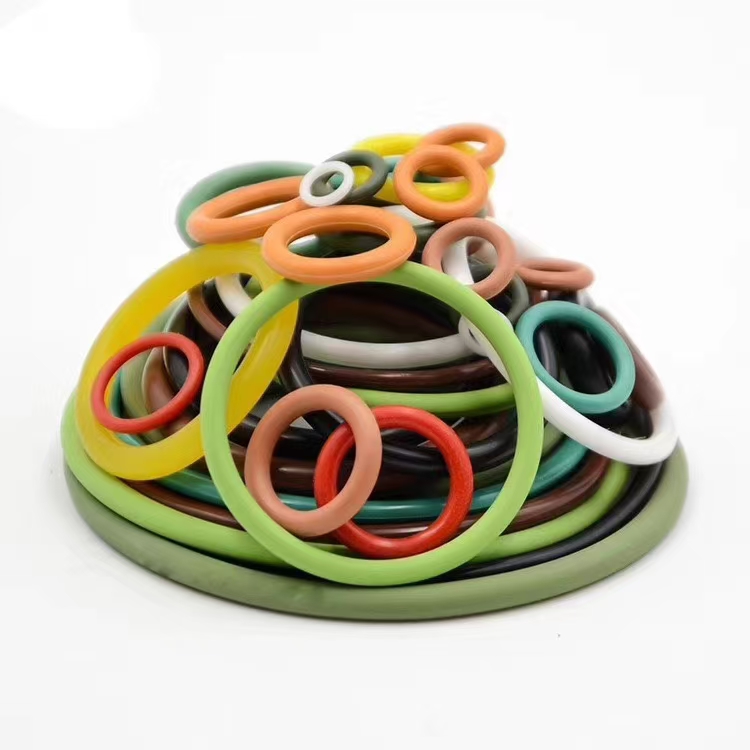 View More
EPDM Rubber O-Ring Seal Factory | Custom Sizes China Manufacturer
-
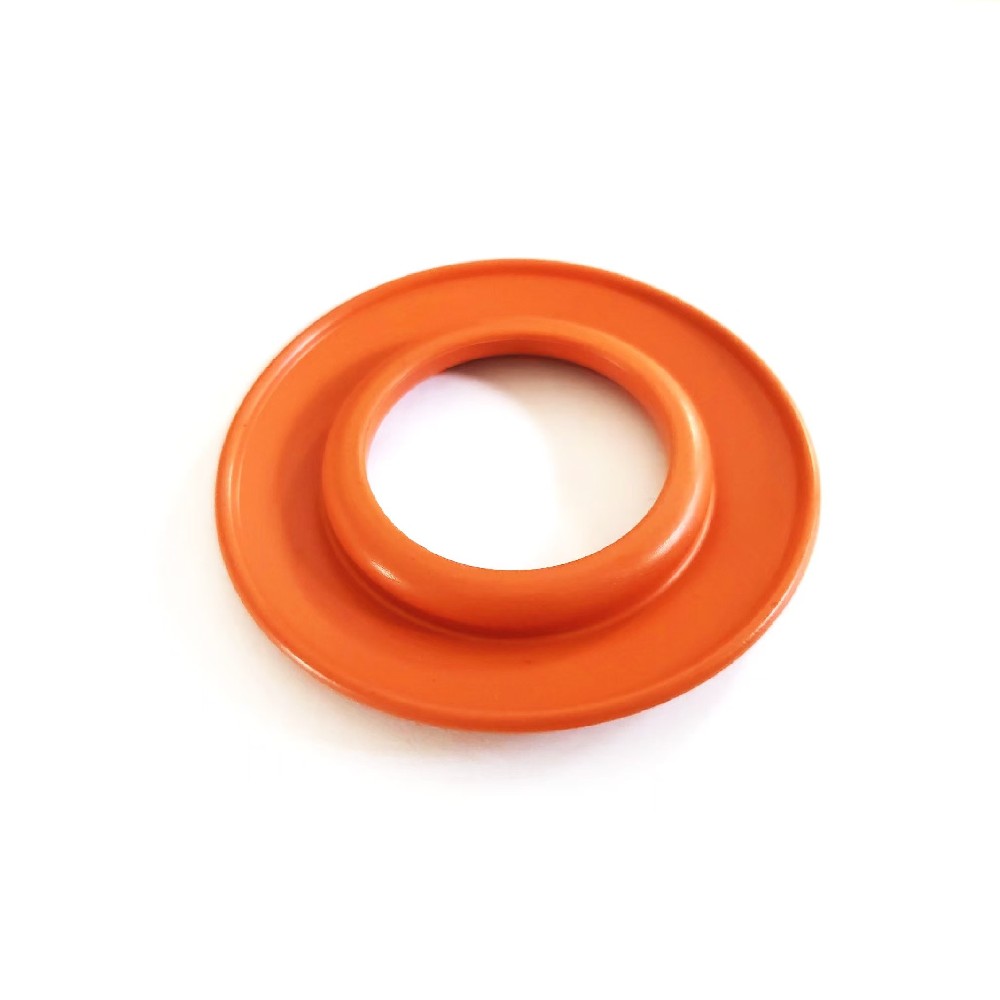 View More
Rubber Check Valve for Automotive Oil Filter - OEM Supplier
-
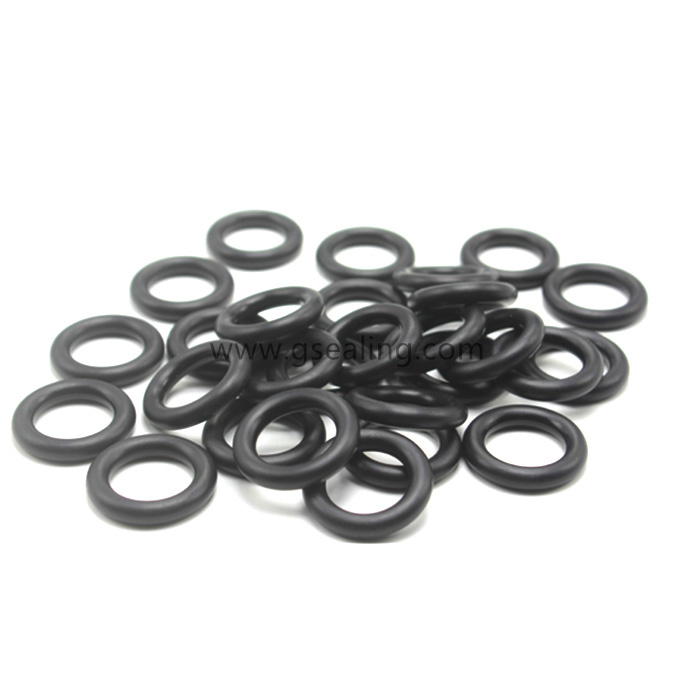 View More
HNBR O-Ring OEM Manufacturer | Hydrogenated Nitrile Seals China
-
 View More
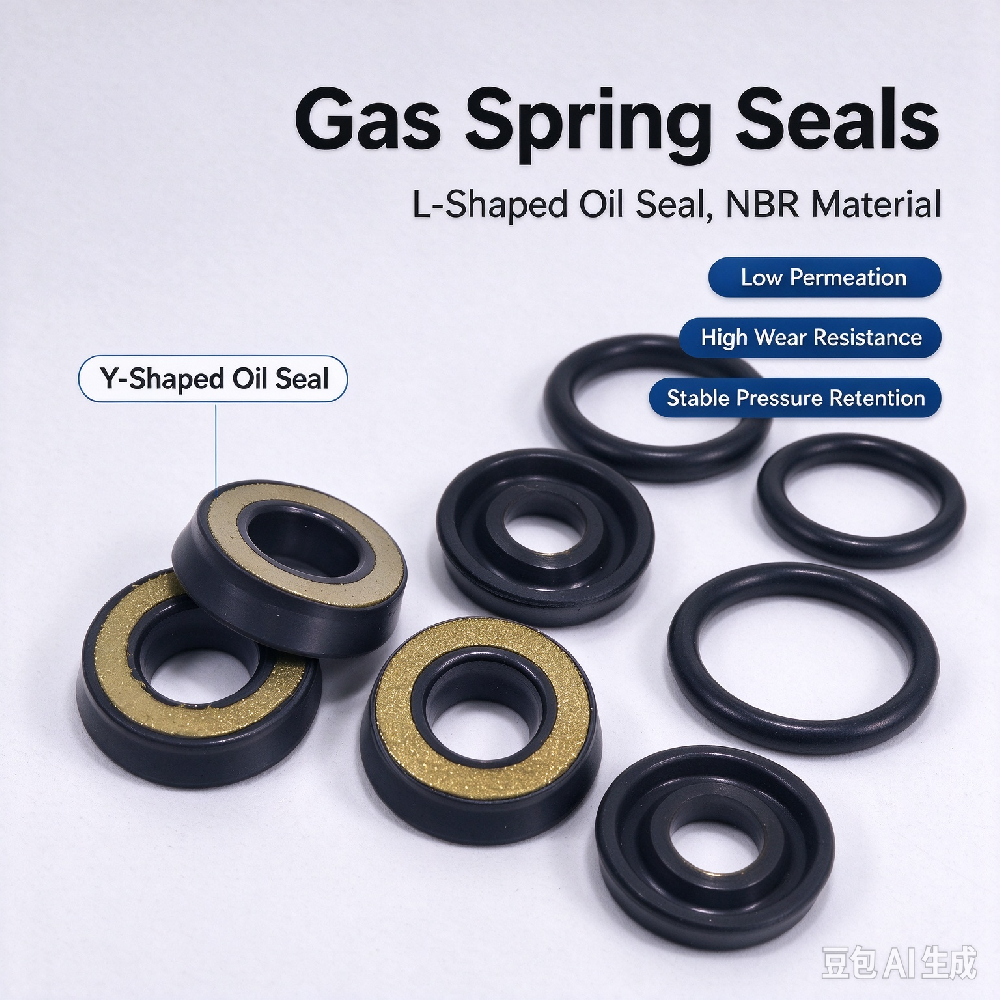
L type Gas Spring Seals /Manufacturer/Factory Supply/OEM high quality
-
 View More
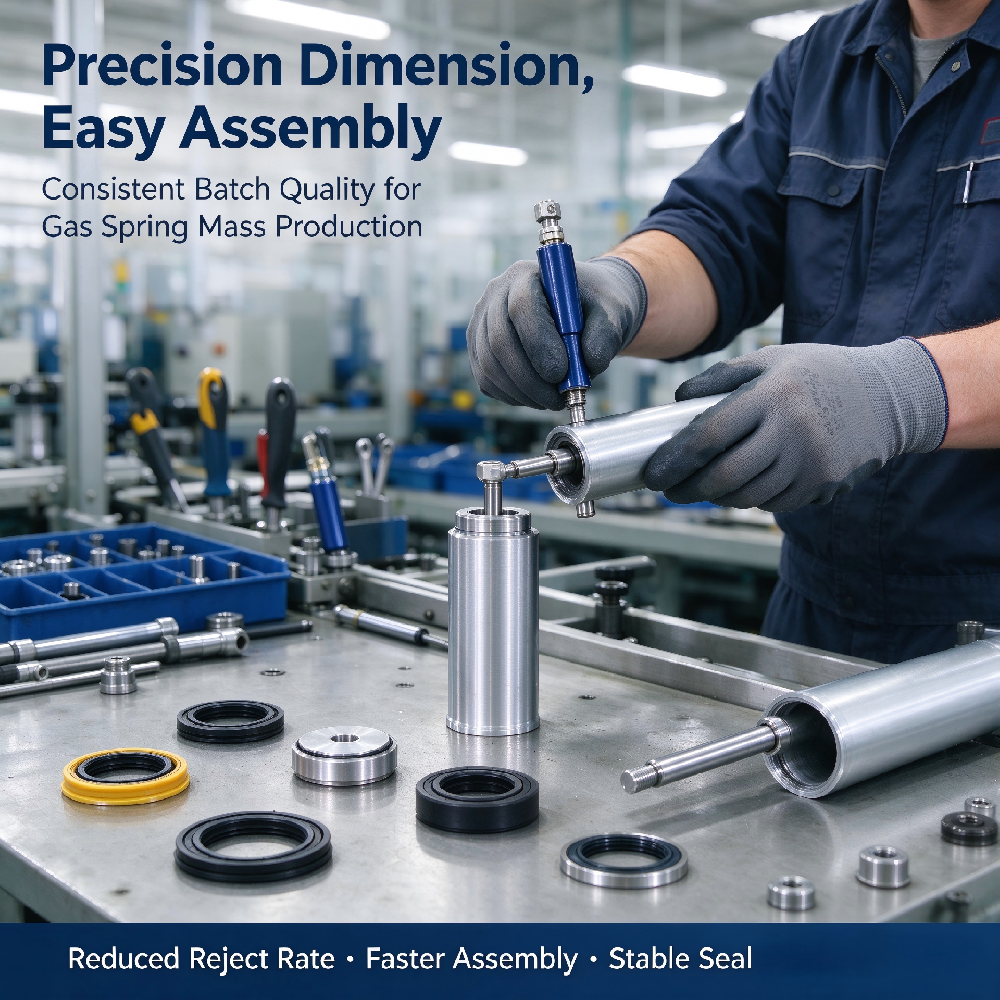
Y-Type High pressure Gas Spring Oil Seal 10×24×3.5mm, OEM Gas Spring Sealing Component for Gas Spring Manufacturers
-
 View More
24898 (SKF CRWA1) Oil Seal|Replacement for SKF Part Number 24898
-
 View More
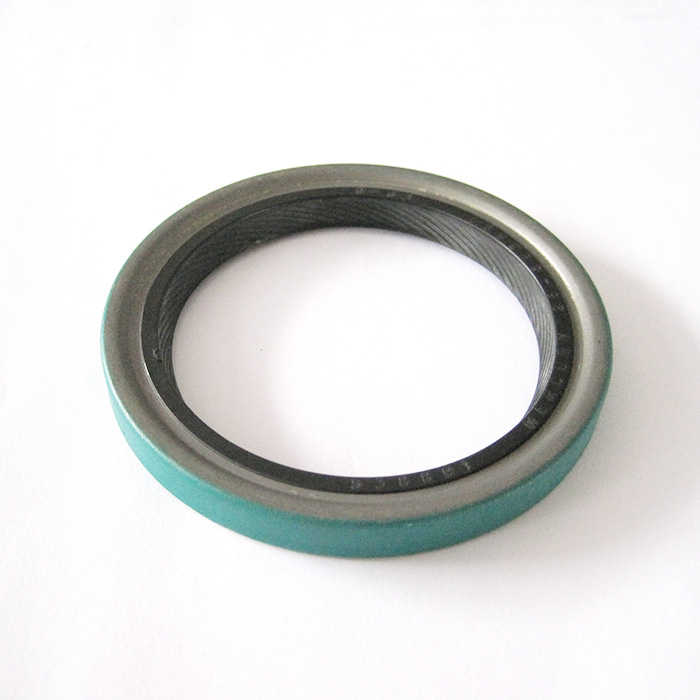
24863 Radial Shaft Oil Seals Single Lip withe metal case
-
 View More
TC Rubber Lip Oil Seal Manufacturer | TC Type Oil Seal Supplier
-
 View More
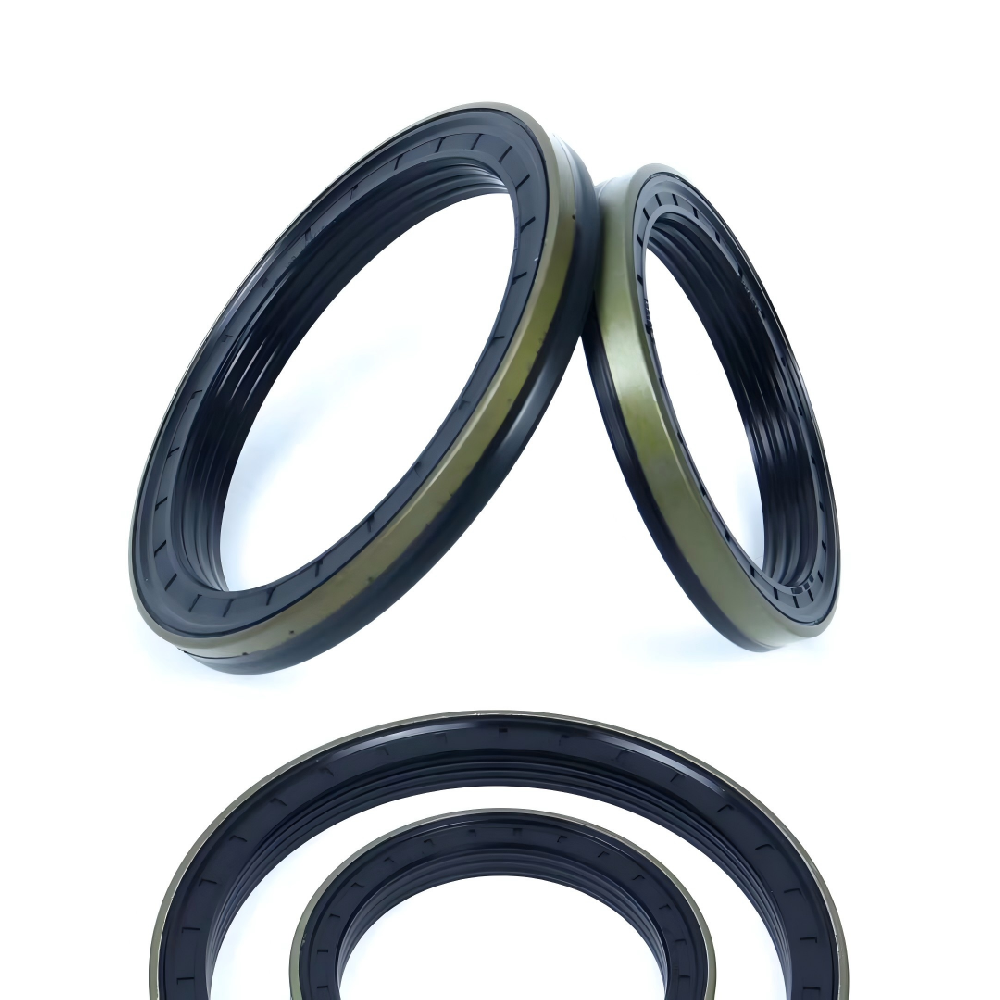
John Deere RWDR Cassette Oil Seal - OEM Manufacturer
-
 View More
Valley Valmont Gearbox Oil Seal - Irrigation OEM Supplier
-
 View More
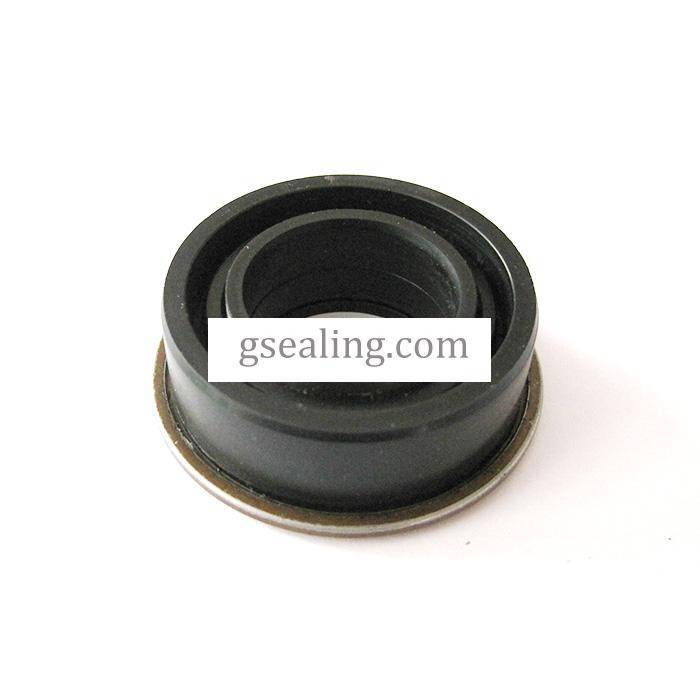
Custom Shock Absorber Oil Seals | OEM Manufacturer | IATF16949 Damper Seals for OEM Factories

Do you have a question? Feel free to contact!
 Tel:
+8613967511577
Tel:
+8613967511577
 E-mail:
sale@gsealing.com
E-mail:
sale@gsealing.com
 Add:
Cixi,Ningbo ,zhejiang, 312300, China.
Add:
Cixi,Ningbo ,zhejiang, 312300, China. 
Copyright © YIWU GREAT SEAL RUBBER PRODUCTS COMPANY All rights reserved.
OEM Rubber Driving belts Manufacturers
