

Complete Technical Guide: Onkyo BPW 16T Semitrailer Oil Seal
Introduction
In heavy‑duty commercial transportation, reliability is everything. One small component failure can lead to costly downtime, missed deliveries, and expensive roadside repairs. Among the most critical yet often overlooked components in a semitrailer’s running gear is the wheel hub oil seal.
The Onkyo BPW 16T semitrailer oil seal is purpose‑engineered for the demanding environment of BPW 16‑tonne axles – widely used on fuel tankers, refrigerated vans, box trailers, and other heavy‑haul equipment. This article provides a complete technical overview of this vital sealing component: its design, materials, common failure modes, installation best practices, and maintenance guidelines.
Note on the “Onkyo” brand: The name “Onkyo” on an oil seal likely indicates a wholesale supplier, an aftermarket manufacturer, or a private‑label brand – not the original axle manufacturer. BPW (Bergische Achsenfabrik) is the original German manufacturer of the 16T axle series. Numerous aftermarket suppliers produce compatible seals to the same technical specifications. The information below applies to any high‑quality replacement seal intended for BPW 16T axles, regardless of the specific brand name printed on the packaging.
1. Understanding the Onkyo BPW 16T Oil Seal
1.1 What Is It?
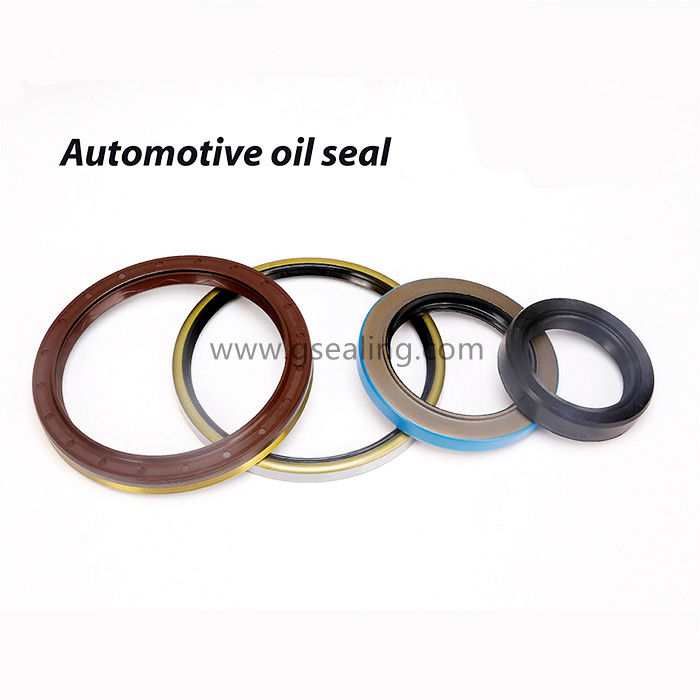
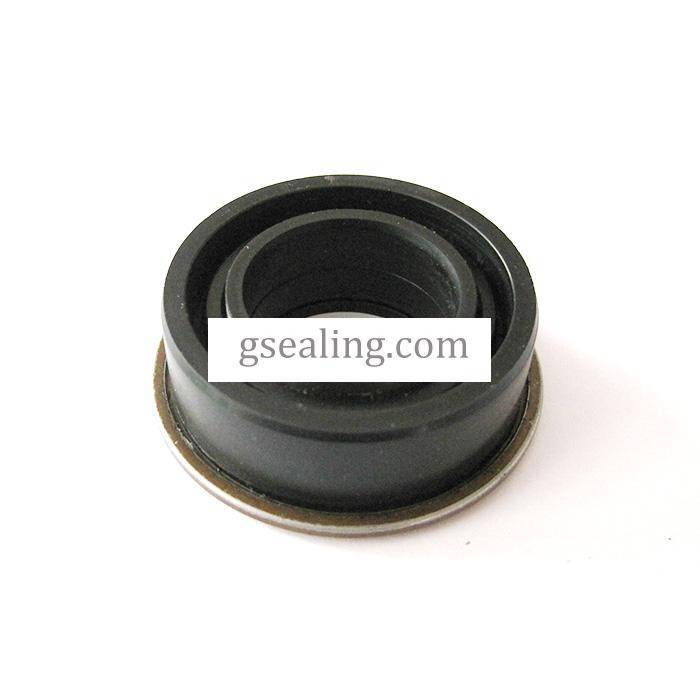
A wheel hub oil seal is a precision sealing component installed at the outer bearing of a wheel hub. The Onkyo BPW 16T oil seal is specifically dimensioned and configured for BPW 16‑tonne trailer axles – among the most common axle types on European‑spec semitrailers worldwide.
The seal serves two essential purposes: it keeps lubricating grease or oil inside the hub assembly, while simultaneously preventing dirt, dust, road spray, and other contaminants from entering the bearing cavity.
1.2 Why Is It Important for 16T Axles?
A 16‑tonne axle carries substantial static and dynamic loads. The wheel bearings inside the hub must operate at high speeds under extreme pressure. If the oil seal fails:
Lubricant leaks out, leading to bearing overheating, scoring, and eventual seizure.
Contaminants enter the hub, turning the lubricant into an abrasive paste that rapidly destroys bearing surfaces.
Brake performance may be compromised if grease reaches the brake linings.
In short, the Onkyo BPW 16T oil seal is a first line of defence against catastrophic axle failure.
2. Technical Specifications & Materials
2.1 Construction
Quality BPW‑compatible oil seals, including those branded Onkyo, typically feature a two‑part construction:
Outer case: Manufactured from cold‑rolled steel or stainless steel, providing structural rigidity and ensuring a press‑fit installation into the hub bore. Stainless steel offers enhanced corrosion resistance for trailers operating in coastal or high‑humidity environments.
Sealing lip: Formed from an elastomeric compound that maintains flexibility and sealing pressure across a wide temperature range.
2.2 Materials
| Material Component | Typical Specification | Key Properties |
| Sealing lip | Nitrile Butadiene Rubber (NBR) | Excellent oil resistance, good heat tolerance (−30 °C to +120 °C), ozone and aging resistance |
| Optional lip material | Fluorocarbon Rubber (FKM / Viton®) | Superior high‑temperature resistance (up to +200 °C), outstanding chemical compatibility |
| Outer case | Cold‑rolled steel or stainless steel | Dimensional stability, corrosion resistance, secure press‑fit retention |
| Garter spring | Carbon spring steel | Maintains constant radial load on sealing lip for consistent contact pressure |
Nitrile rubber is the standard choice for most BPW axle applications, offering an optimal balance of durability, oil compatibility, and cost‑effectiveness. For extreme operating conditions – such as frequent high‑temperature braking events or exposure to aggressive chemicals – FKM seals provide extended service life.
2.3 Common Dimensions
While exact dimensions vary by specific BPW axle model, common dimensions for 16T axle oil seals include:
Diameter × Width examples: 135 mm × 156.7 mm × 8 mm, 125 mm × 143 mm × 13 mm, and 133 mm × 168 mm × 15 mm variants are frequently referenced.
3. Key Features & Performance Benefits
BPW‑compatible oil seals, including those branded Onkyo, offer a combination of features specifically tailored to heavy‑duty trailer applications:
3.1 Precision Fit
The seals are engineered to provide a snug, interference‑fit into the hub bore, minimising the risk of leaks. Tight manufacturing tolerances ensure consistent sealing pressure across the entire circumference of the rotating bearing surface.
3.2 Durability Under Heavy Loads
The combination of high‑grade elastomers and robust steel cases allows these seals to withstand the punishing conditions of long‑haul transportation – including high wheel speeds, fluctuating temperatures, vibration, and shock loads from poor road surfaces.
3.3 Cost‑Effective Maintenance
A properly functioning oil seal preserves lubricant and protects bearings, significantly extending the service life of the entire hub assembly. Regular seal inspection and timely replacement is one of the most cost‑effective maintenance practices for any fleet operator.
3.4 Contamination Exclusion
Beyond retaining lubricant, the seal acts as a physical barrier against road grime, water, and fine dust particles – contaminants that would otherwise accelerate bearing wear and lead to premature axle failure.
4. Common Failure Signs of BPW 16T Oil Seals
Recognising early symptoms of a failing oil seal can prevent minor issues from escalating into major repairs. The three most common failure indicators are:
4.1 Leaking Seals – Visible Oil/Grease Spots
Symptoms: Oil spots on the ground where the trailer has been parked; a noticeable decrease in the hub’s lubricant level during routine checks; grease staining on the inside of the wheel rim or brake components.
Why it happens: The sealing lip loses its ability to maintain contact pressure against the rotating bearing surface. This can be caused by wear over time, physical damage from debris, or degradation of the elastomer.
Solution: Inspect the seal immediately. If cracks, tears, or visible wear are present, replace the affected seal without delay. Clean the sealing surface thoroughly and ensure proper alignment during installation to avoid repeat failures.
4.2 Dry Rot or Cracking
Symptoms: The sealing lip becomes brittle and cracks or crumbles when touched. The rubber may appear dried out or show visible surface fissures.
Why it happens: Prolonged exposure to extreme temperatures, ozone, UV radiation, or incompatible chemicals degrades the elastomeric compound. This is especially common in climates with wide temperature swings or for vehicles that sit idle for long periods.
Solution: Preventive maintenance is key. Schedule routine visual inspections of hub seals, particularly for trailers operating in extreme climates. Replacement is the only definitive fix for dry‑rotted seals.
4.3 Misalignment – Unusual Noises or Vibration
Symptoms: Grumbling or rumbling noises from the wheel end during operation; excessive vibration felt through the chassis; uneven tyre wear patterns.
Why it happens: Misalignment most often occurs during improper installation. The seal may have been driven in crooked, or the hub components may not have been correctly aligned before the seal was seated.
Solution: Remove the seal, inspect the hub bore for burrs or damage, ensure all components (bearings, spindle, hub) are correctly aligned, and install a new seal using a proper seal driver tool.
5. Installation Best Practices
Correct installation is just as important as the quality of the seal itself. Even the best‑manufactured seal will fail prematurely if it is installed incorrectly.
5.1 Pre‑Installation Preparation
Clean everything: Remove all old sealant, debris, and old lubricant residue from the hub bore and the spindle.
Inspect surfaces: Check the hub bore for scratches, burrs, or corrosion that could damage the new seal as it is inserted.
Lubricate the lip: Apply a thin film of clean wheel bearing grease to the sealing lip before installation. This prevents dry start‑up scuffing.
Use the correct driver tool: Always use a seal driver that contacts the outer metal case of the seal – never strike the sealing lip directly.
5.2 Installation Steps
Position the new seal squarely against the hub bore opening.
Using the seal driver, apply even pressure around the circumference to press the seal into the bore.
Drive the seal until it is seated flush or slightly recessed, as specified by the manufacturer.
Ensure the seal is not cocked or tilted. A misaligned seal will leak almost immediately.
After installation, rotate the hub by hand to verify smooth operation and correct seal seating.
5.3 Common Mistakes to Avoid
Using a hammer and punch instead of a proper driver – this almost always distorts the seal case.
Forgetting to lubricate the lip – dry installation causes immediate lip damage and early failure.
Installing a seal over a rough or corroded spindle surface – the lip will be torn on the first rotation.
Using an incompatible lubricant – always use the grease type specified by the axle manufacturer.
6. Maintenance and Inspection Schedule
Regular inspection of the Onkyo BPW 16T oil seal and associated hub components should be an integral part of any trailer preventive maintenance program.
Recommended Inspection Intervals
| Key Properties | Inspection Frequency |
| Long‑haul highway trailers | Every 50,000 km or 6 months, whichever comes first |
| Regional / short‑haul trailers | Every 30,000 km or 4 months |
| Off‑road / heavy‑duty applications | Every 15,000 km or 3 months |
What to Check During Inspection
Visual inspection: Look for signs of leaking around the seal lip and the hub flange joint.
Lubricant level: Verify that the hub contains the correct amount of grease. A low level may indicate seal leakage.
Bearing condition: If practical, check for bearing play and listen for unusual noises during rotation.
Brake area: Inspect the brake drum and linings for any signs of grease contamination.
7. Choosing the Right Replacement Seal
When selecting a replacement Onkyo BPW 16T oil seal, consider the following factors:
7.1 Compatibility Verification
Always confirm the seal’s specifications against the original manufacturer’s part number. Common reference numbers for BPW 16T axle seals include BPW 025664657, BPW 0256642657, and BPW 025664530. Aftermarket equivalents such as SEA0056 and SEA0067 are also widely available.
7.2 Material Selection
Standard NBR seals: Sufficient for most over‑the‑road applications and general freight hauling.
FKM / Viton® seals: Recommended for trailers subject to frequent heavy braking (extreme heat cycling) or those operating in chemically aggressive environments.
7.3 Supplier Quality
Purchase seals from reputable suppliers who can provide material certification and dimensional compliance data.
Be cautious of “no‑name” seals with missing specifications – inferior seals often use lower‑grade rubber that hardens and cracks prematurely.
8. Conclusion
The Onkyo BPW 16T semitrailer oil seal may be a small and relatively inexpensive component, but its role in protecting the wheel hub bearings of a 16‑tonne trailer axle is indispensable. A high‑quality seal, correctly installed and maintained, will keep lubricant where it belongs – inside the hub – while keeping dirt, water, and debris out.
For fleet managers, owner‑operators, and maintenance professionals, understanding the design, materials, failure modes, and installation requirements of BPW axle seals is essential knowledge. When the time comes to replace a worn or leaking seal, selecting a properly engineered replacement – whether branded Onkyo or another reputable aftermarket manufacturer – and following correct installation procedures will pay dividends in extended axle life, reduced downtime, and safer, more reliable trailer operation.
For technical datasheets, cross‑reference guidance, or bulk pricing on BPW 16T axle seals, please contact our parts specialists directly.
Hot Products
-
 View More
-
 View More
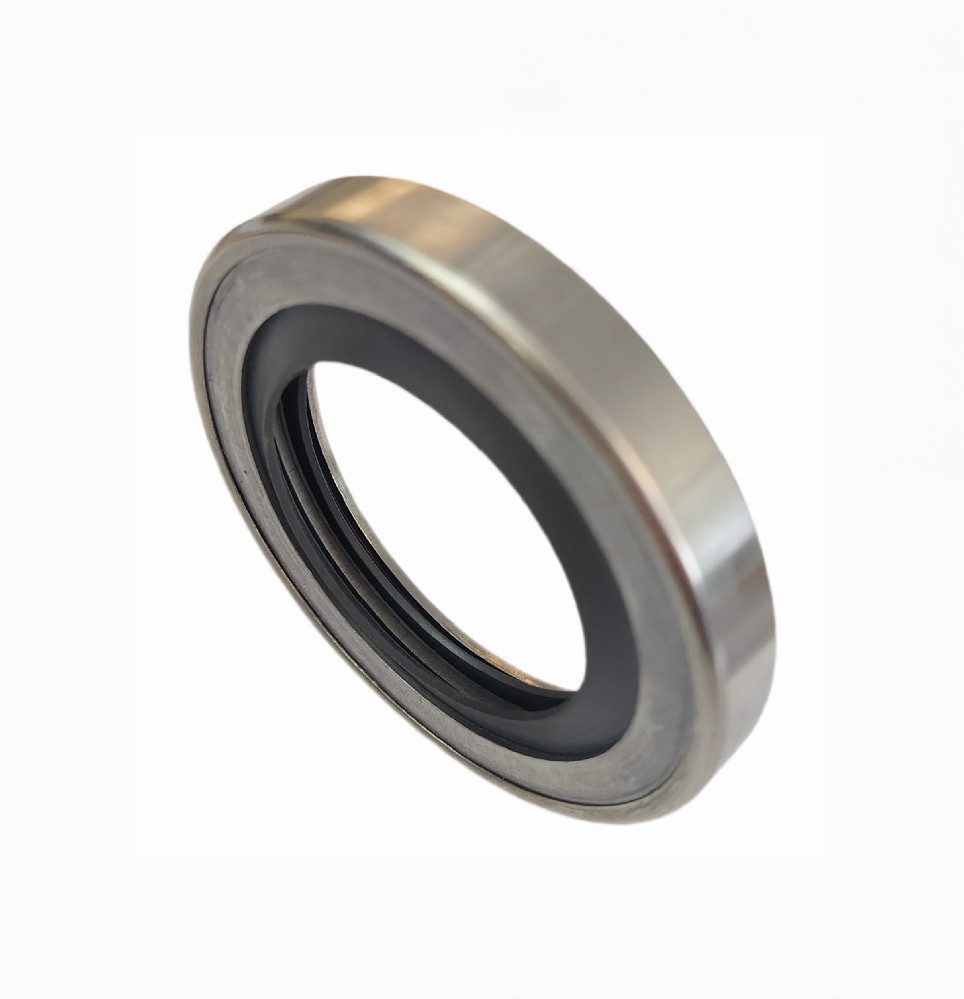
PTFE Lip Oil Seals for Air Compressor - Professional Manufacturer Supply
-
 View More
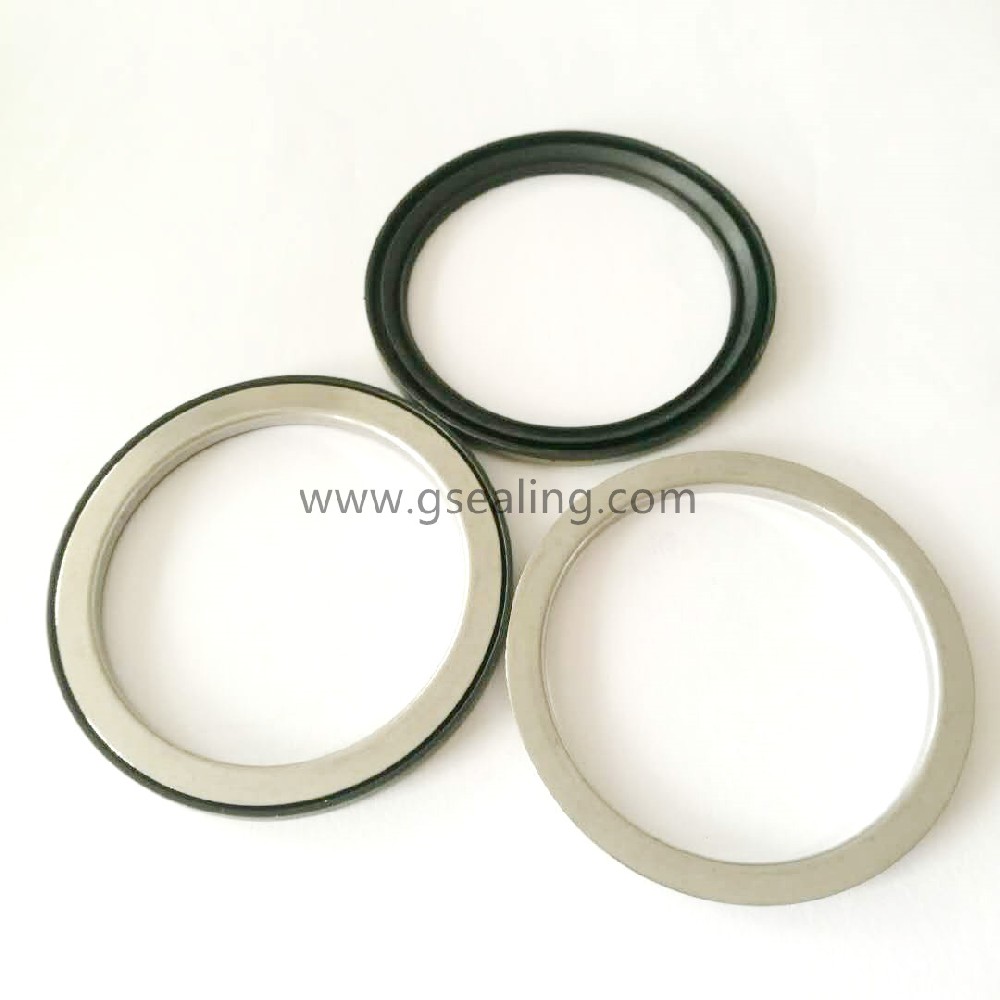
Bearing Seals & Gaskets Manufacturer - China OEM Factory Supplier
-
 View More
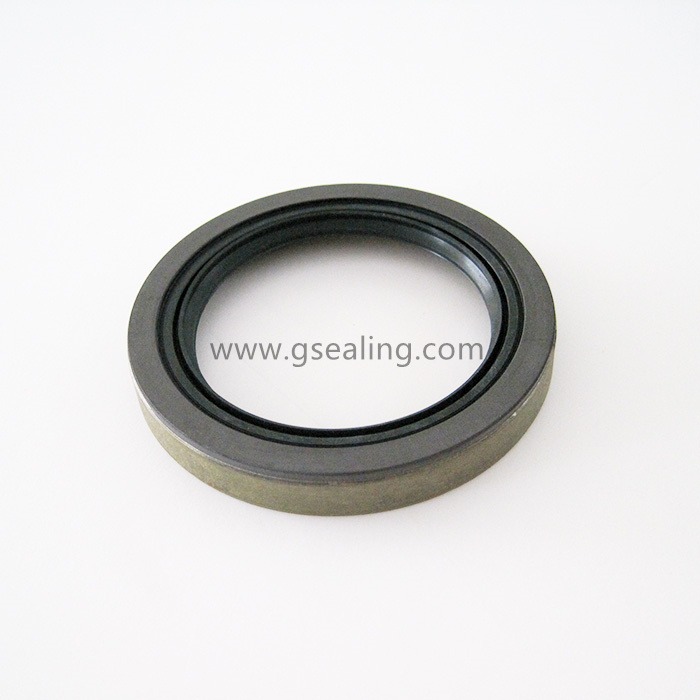
Magnetic Seals | Magnetic Abs OEM Bearing Seals China Manufacturer
-
 View More
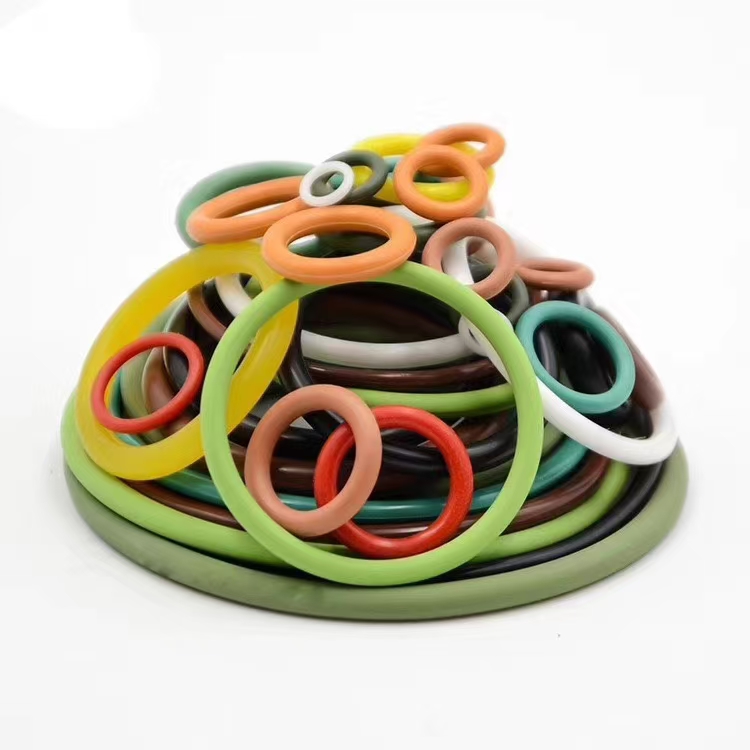
EPDM Rubber O-Ring Seal Factory | Custom Sizes China Manufacturer
-
 View More
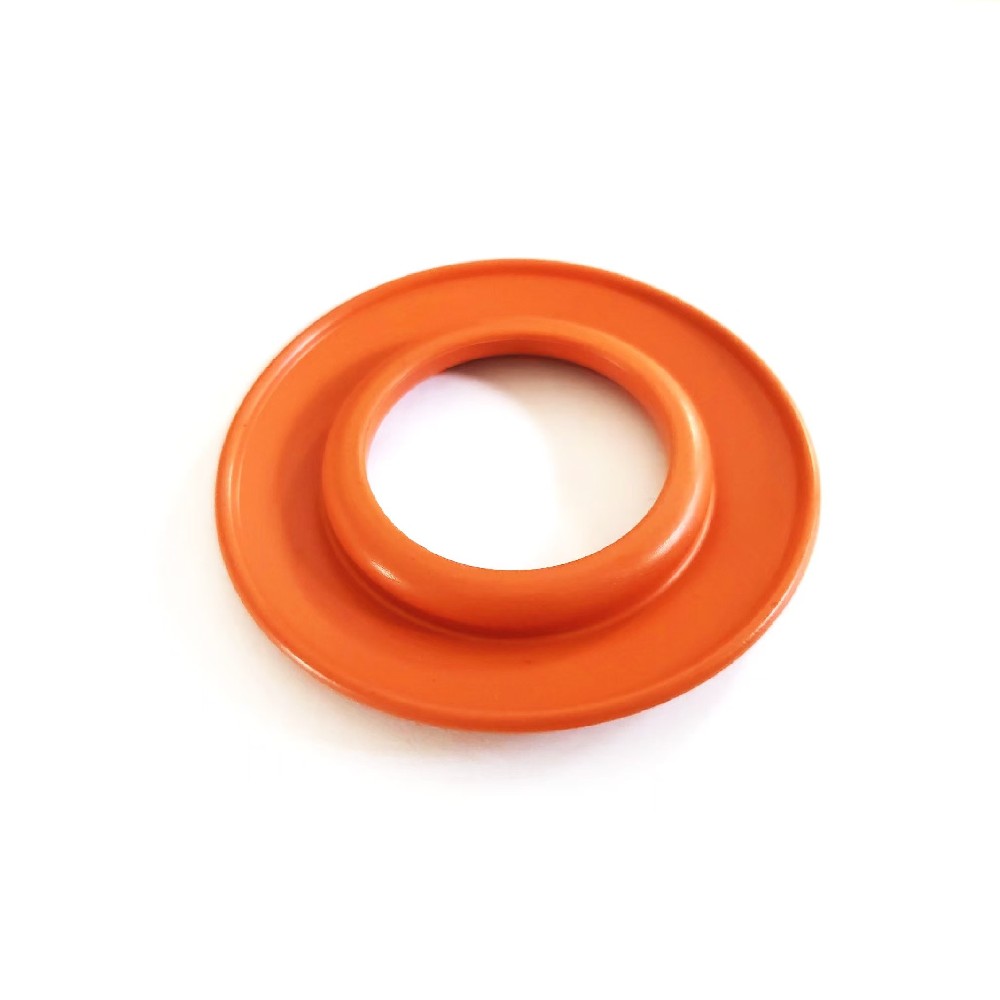
Rubber Check Valve for Automotive Oil Filter - OEM Supplier
-
 View More
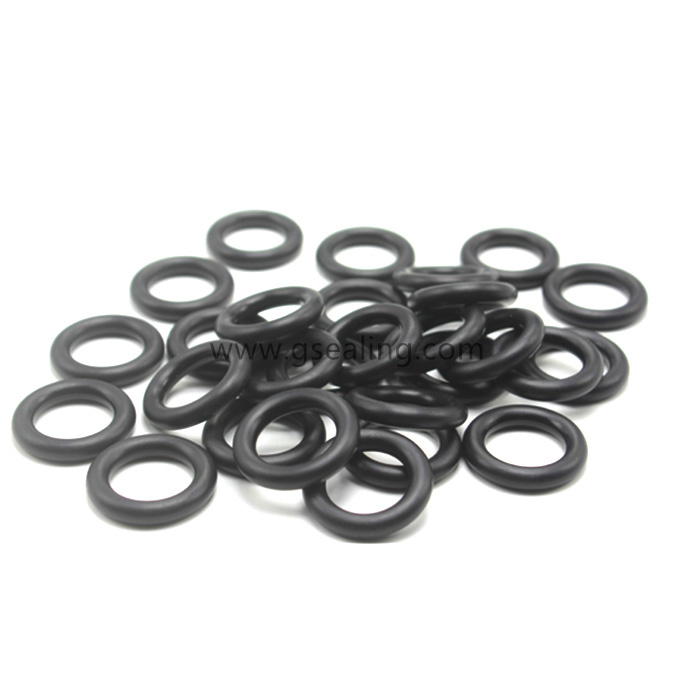
HNBR O-Ring OEM Manufacturer | Hydrogenated Nitrile Seals China
-
 View More
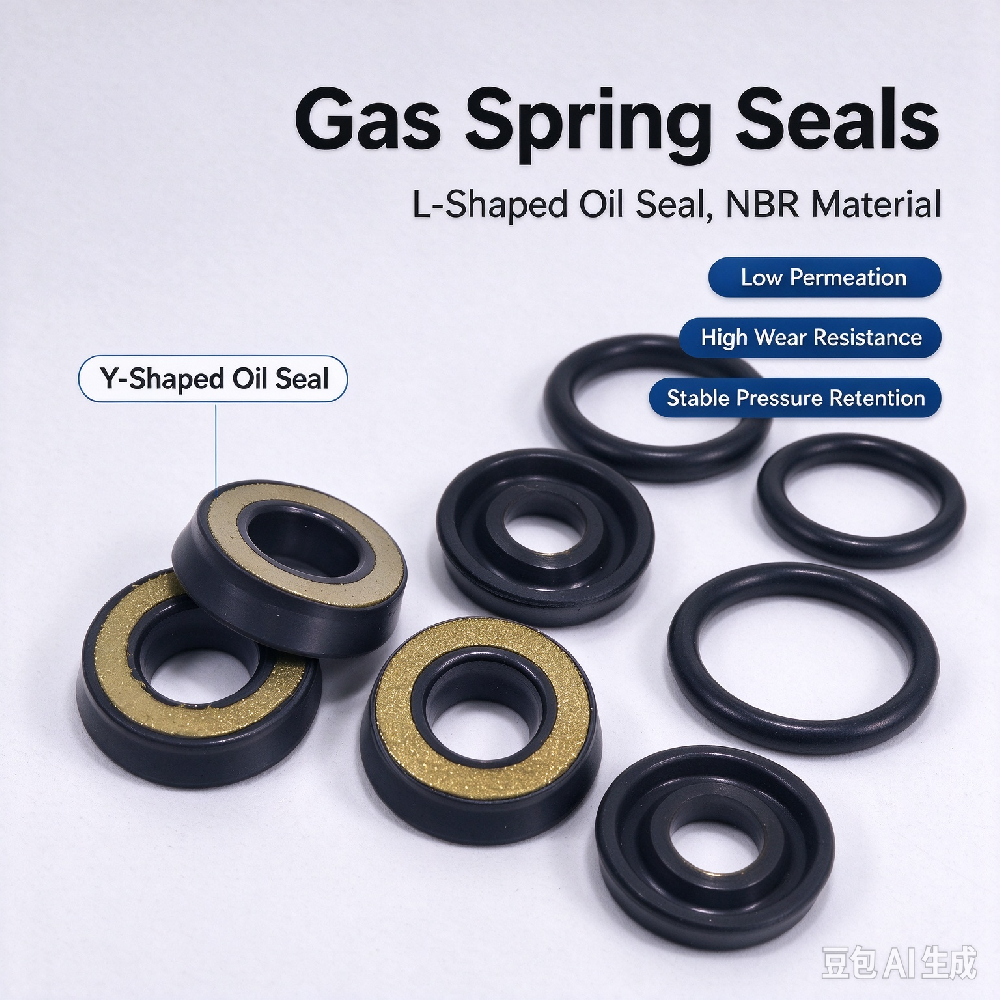
L type Gas Spring Seals /Manufacturer/Factory Supply/OEM high quality
-
 View More
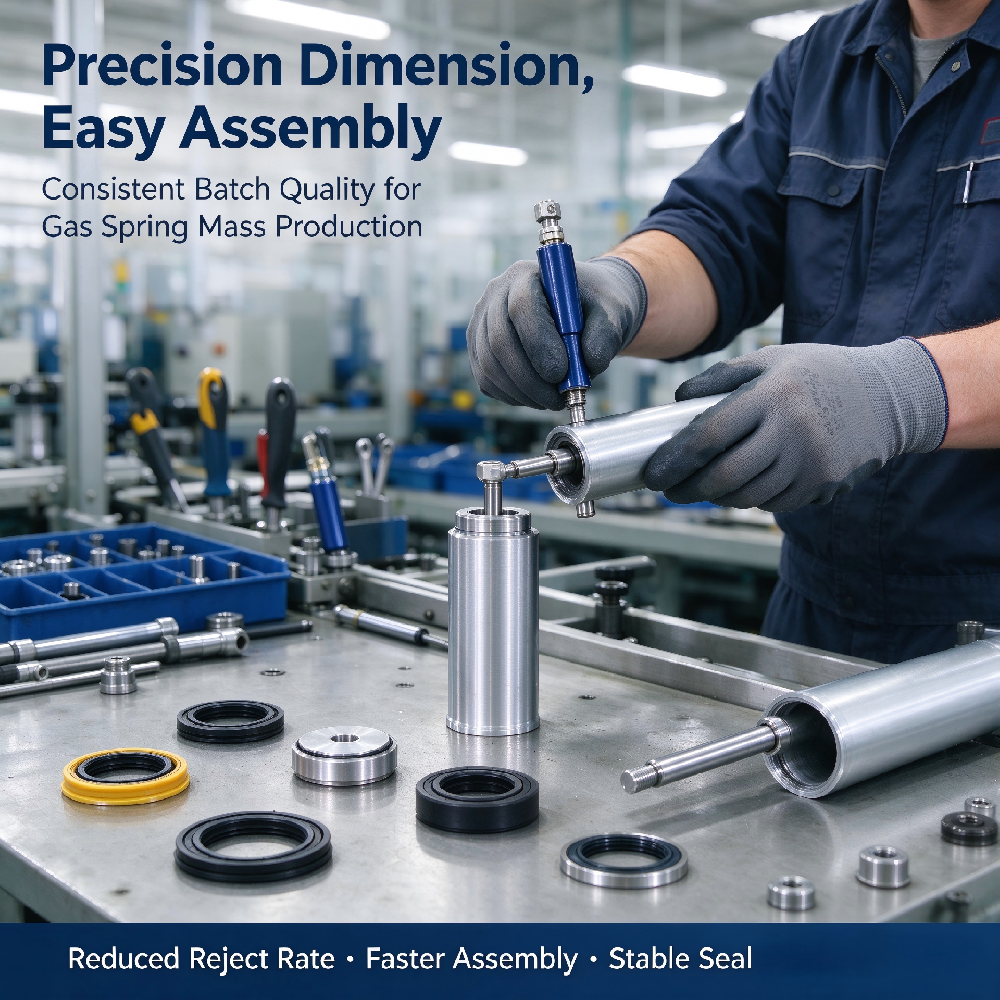
Y-Type High pressure Gas Spring Oil Seal 10×24×3.5mm, OEM Gas Spring Sealing Component for Gas Spring Manufacturers
-
 View More
24898 (SKF CRWA1) Oil Seal|Replacement for SKF Part Number 24898
-
 View More
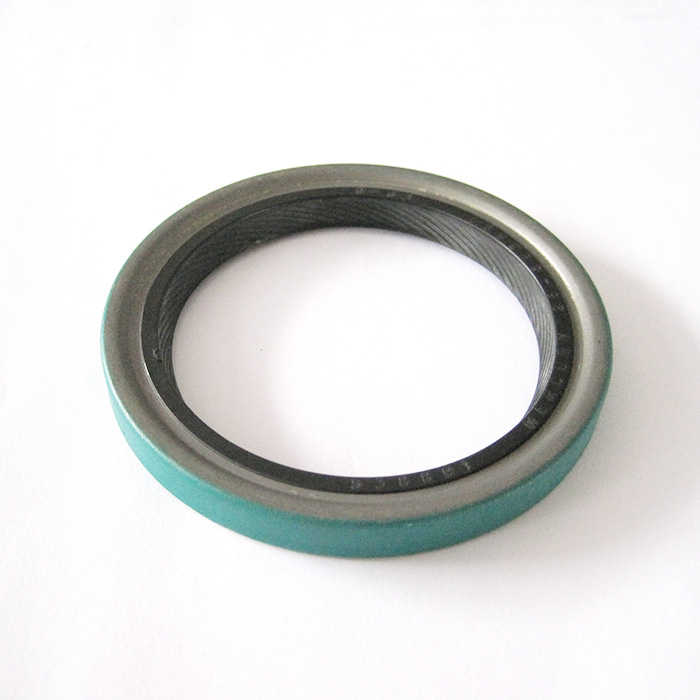
24863 Radial Shaft Oil Seals Single Lip withe metal case
-
 View More
TC Rubber Lip Oil Seal Manufacturer | TC Type Oil Seal Supplier
-
 View More
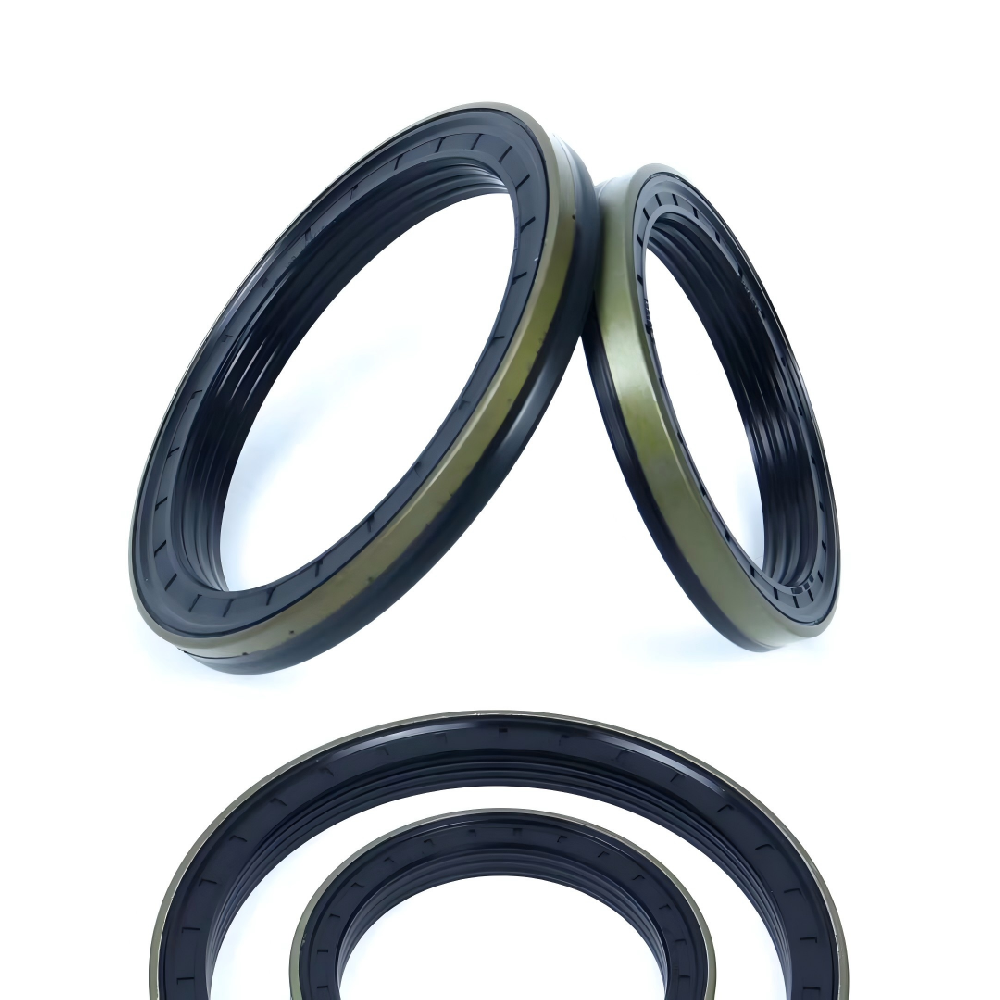
John Deere RWDR Cassette Oil Seal - OEM Manufacturer
-
 View More
Valley Valmont Gearbox Oil Seal - Irrigation OEM Supplier
-
 View More
Custom Shock Absorber Oil Seals | OEM Manufacturer | IATF16949 Damper Seals for OEM Factories

Do you have a question? Feel free to contact!
 Tel:
+8613967511577
Tel:
+8613967511577
 E-mail:
sale@gsealing.com
E-mail:
sale@gsealing.com
 Add:
Cixi,Ningbo ,zhejiang, 312300, China.
Add:
Cixi,Ningbo ,zhejiang, 312300, China. 
Copyright © YIWU GREAT SEAL RUBBER PRODUCTS COMPANY All rights reserved.
OEM Rubber Driving belts Manufacturers
