

The Critical Role of Oil Seals in Gas Springs: Technology, Trends, and Selection Guide
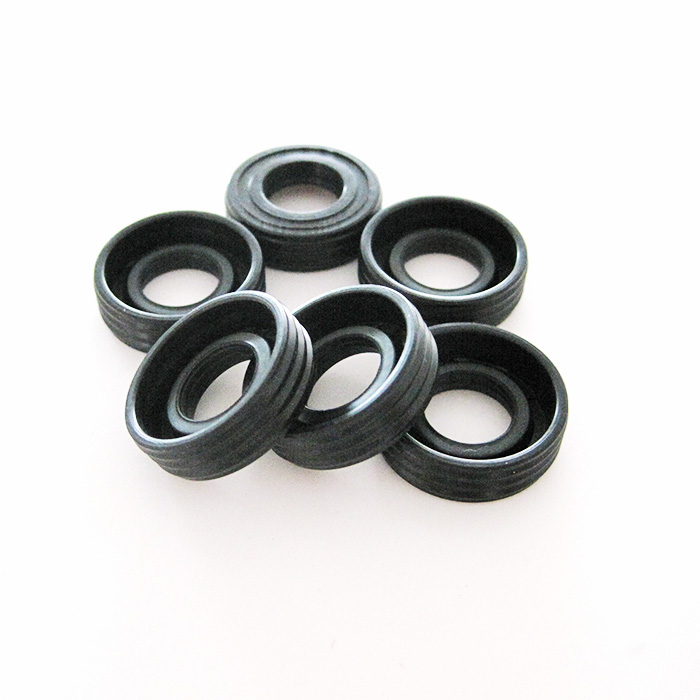
In the world of mechanical motion control, the gas spring is an unsung hero. From lifting the heavy tailgate of an SUV and supporting ergonomic office chairs to providing counterbalance in industrial machinery and ensuring safety in aerospace applications, gas springs are ubiquitous. At the heart of these devices lies a critical component that dictates performance, reliability, and lifespan: the oil seal.
While often just a few centimeters in diameter, the gas spring seal is a highly engineered interface between dynamic motion and static pressure. It must contain high-pressure nitrogen (often up to 3,000 psi or more) while simultaneously managing a thin film of lubricating oil, all while a piston rod cycles in and out millions of times under varying temperatures and environmental conditions -9. This article explores the technology behind these seals, the challenges they overcome, and the innovations shaping the future of gas spring reliability.
1. The Dual Mission: Sealing Gas and Managing Oil
To understand the importance of the seal, one must first understand the internal environment of a gas spring. Contrary to what the name suggests, a gas spring is not filled with gas alone. It contains two key elements:
High-Pressure Gas (Typically Nitrogen): Provides the spring force.
A Small Amount of Oil: Lubricates the rod and the primary seal, and often provides end-of-stroke damping -6.
The seal, located at the rod end of the cylinder, has a dual mission. Its primary job is to prevent the escape of the high-pressure nitrogen. A loss of gas directly translates to a loss of force, rendering the spring ineffective. However, it must also manage the oil. While it must prevent oil from leaking out of the system (which would lead to dry operation, increased wear, and unsightly stains), it must allow a microscopic film of oil to pass during each cycle to lubricate the rod and the seal lip itself -6-9.
This is a delicate balance. Too much oil on the rod leads to external leakage; too little leads to starvation, friction, and premature seal failure.
2. Anatomy of a High-Performance Oil Seal
Modern gas spring seals have evolved far beyond simple O-rings. They are often complex, composite structures designed to address specific failure modes. A typical high-quality gas spring seal assembly may consist of several functional elements:
The Elastomeric Body: This forms the main sealing element. It is designed to create a radial force against the reciprocating piston rod. Materials like HNBR (Hydrogenated Nitrile Butadiene Rubber) or FKM (Fluoroelastomer) are common due to their excellent resistance to oils, heat, and compression set -4.
The Energizing Element (Spring): Elastomers alone can lose resilience under extreme temperatures or over time. To combat this, many advanced seals incorporate a spring. This can be a coiled metal spring or a cantilever spring that sits behind the seal lip, providing constant radial force to maintain contact with the rod regardless of pressure fluctuations or temperature changes -8-9.
Anti-Extrusion Components: In high-pressure applications, the elastomer is at risk of being forced (extruded) into the tiny gap between the piston rod and the cylinder gland. To prevent this "nibbling" and failure, rigid back-up rings or integrated anti-extrusion springs are used. These components bridge the gap and support the softer seal material. Some modern designs utilize corrosion-resistant metallic springs molded directly into the elastomer profile to provide this support -3-8.
The Wiper Lip: This is a critical feature located at the outermost face of the seal. Its job is to scrape off contaminants like dust, road grit, and salts from the rod as it retracts into the cylinder, preventing these abrasives from entering the system and damaging the primary seal and rod bearing -9.
3. The Challenge: High Pressure, High Speed, and Extrusion
Gas spring seals operate in a punishing environment. One of the greatest risks they face is extrusion damage. As system pressure increases, the seal is pushed harder against the extrusion gap. If the seal material is too soft or the gap too large, the seal begins to flow into the gap, leading to rapid deterioration -4-5.
This is where advanced engineering comes into play. High-performance seals now utilize Finite Element Analysis (FEA) during the design phase. Engineers can model the stress distribution across the seal body and optimize the geometry of anti-extrusion springs to ensure they provide robust support precisely where it is needed -8. For example, in specialized applications like oil and gas drilling, seals like the XploR series are designed with integral metallic springs that actually force themselves into the extrusion gap as pressure increases, creating a metal-supported barrier that protects the elastomer -3.
4. Material Science: The Key to Longevity
The evolution of gas spring seals is largely a story of material science. The demand for longer life (automotive manufacturers now target a 10-year effective life) has pushed the development of advanced compounds -9.
Permeation Resistance: Over time, gas molecules can actually permeate through the elastomer material itself, leading to a slow loss of pressure. To combat this, some seal designs incorporate co-molded metal or rigid plastic inserts that act as impermeable barriers within the seal body -2-9. This "unitized" design significantly extends the effective life of the gas spring by blocking the axial path of gas molecules through the seal.
Temperature Tolerance: Gas springs in automotive or industrial applications must function in extreme cold (where seals can become brittle) and extreme heat (where they can soften). Materials must maintain their mechanical properties across a wide range. Advanced HNBR and FKM compounds, combined with optimized spring energizers, allow seals to operate reliably from -45°C up to 260°C (-49°F to 500°F) in demanding environments -5.
Chemical Resistance: In specific sectors like the oil and gas industry, seals must resist "sour gas" (H₂S) and withstand Rapid Gas Decompression (RGD)—a phenomenon where gases dissolved in the elastomer expand rapidly during pressure drops, causing blisters and cracks. Specialized XploR compounds have been developed specifically to resist these harsh conditions -5-8.
5. Installation and Maintenance: Best Practices
Even the best seal will fail if improperly installed or maintained. As an operator, understanding the relationship between the seal, the rod, and the mounting orientation is vital.
Rod Surface Integrity: The piston rod is the seal's partner in crime. The rule of thumb is simple: do not scratch, dent, chip, bend, or paint the rod -6. Any imperfection on the rod surface acts like a cutting tool against the seal lip, creating a leak path.
Lubrication: While the gas spring contains oil, you should never externally lubricate a gas spring rod during installation unless specified by the manufacturer. The internal oil is precisely metered; external lubricants can attract contaminants or be incompatible with the seal material, causing it to swell or degrade -6.
Mounting Orientation: For standard gas springs, mounting them with the rod pointing downwards is optimal -6. This ensures that the internal oil pool settles around the rod seal, keeping it lubricated. If the spring must be mounted rod-up, consult the manufacturer, as an oil chamber or special dampening features may be required to ensure the seal does not run dry.
Side Load Prevention: Seals are designed to handle axial motion, not lateral forces. Side loading causes uneven wear on the seal and rod, leading to premature failure. Using ball joints or flexible mounts at the end fittings ensures the gas spring operates along its true centerline -6.
6. The Future of Sealing Technology
Looking ahead, the trend in gas spring seals is toward further integration and specialization.
Unitized Seals: The move towards single-piece designs that combine the rigid backbone (insert), the sealing lip, and anti-extrusion features into one easy-to-install component is gaining traction. This simplifies assembly, reduces the risk of incorrect installation (such as forgetting back-up rings), and improves overall reliability -2-5.
Smart Seals and Materials: While still in nascent stages for gas springs, the development of "smart" materials that can change properties in response to wear or pressure could eventually lead to self-healing or wear-indicating seals.
Sustainability: As industries push for longer service intervals and reduced waste, the demand for seals that can last the entire lifecycle of the product (or be easily recycled) will increase. This drives the development of more durable materials and cleaner manufacturing processes.
Conclusion
The humble oil seal is the defining component of a gas spring's quality. It is a sophisticated piece of engineering that must manage the complex interplay of high-pressure gas, lubricating oil, dynamic motion, and environmental contaminants. By understanding the mechanics of how these seals work—from the anti-extrusion springs that prevent gap extrusion to the advanced polymers that resist permeation—engineers and procurement specialists can make informed decisions that ensure safety, reliability, and longevity in their applications.
At Great seal, we are committed to staying at the forefront of sealing technology, ensuring that the gas springs we provide meet the highest standards of performance for whatever challenge lies ahead.
Hot Products
-
 View More
-
 View More
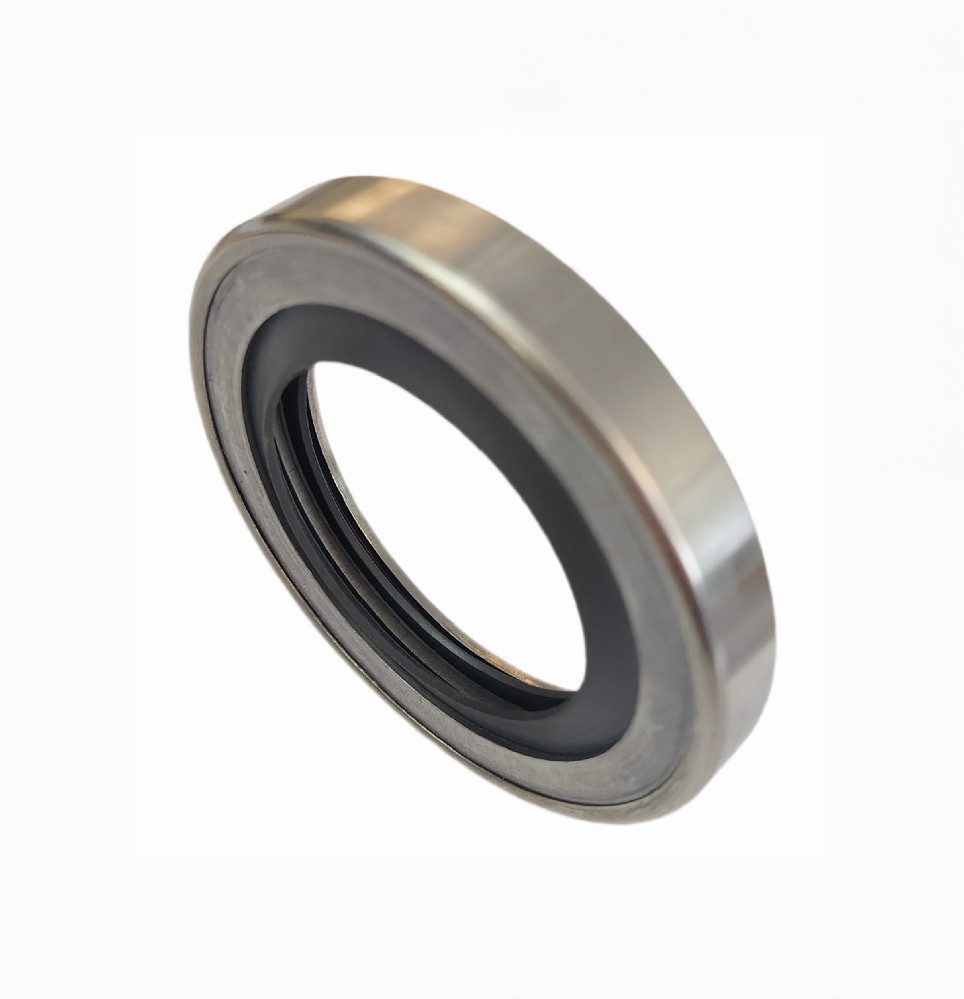
PTFE Lip Oil Seals for Air Compressor - Professional Manufacturer Supply
-
 View More
Bearing Seals & Gaskets Manufacturer - China OEM Factory Supplier
-
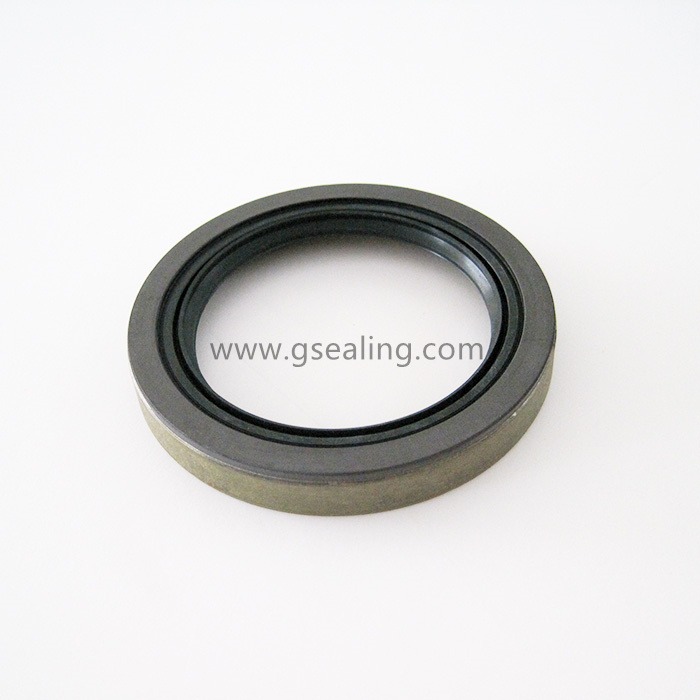 View More
Magnetic Seals | Magnetic Abs OEM Bearing Seals China Manufacturer
-
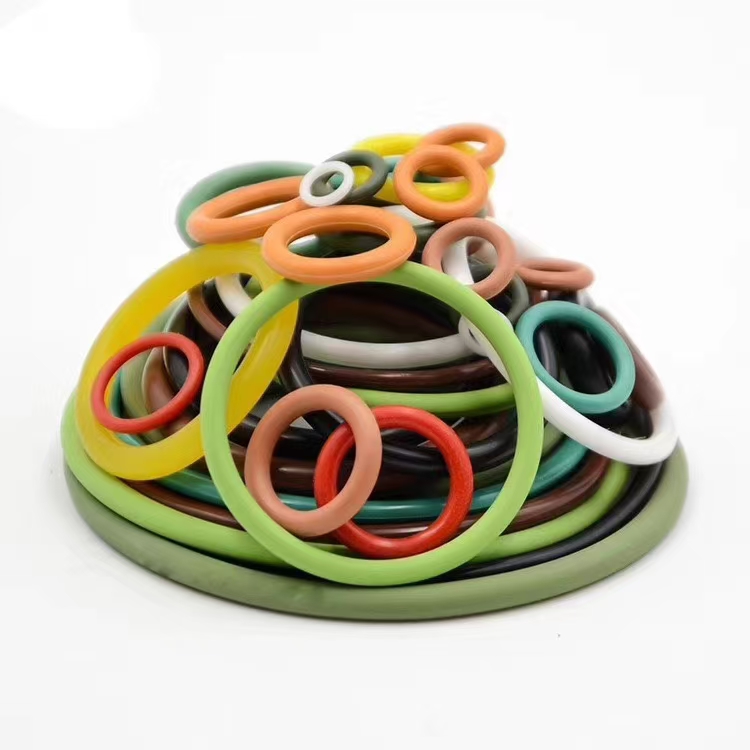 View More
EPDM Rubber O-Ring Seal Factory | Custom Sizes China Manufacturer
-
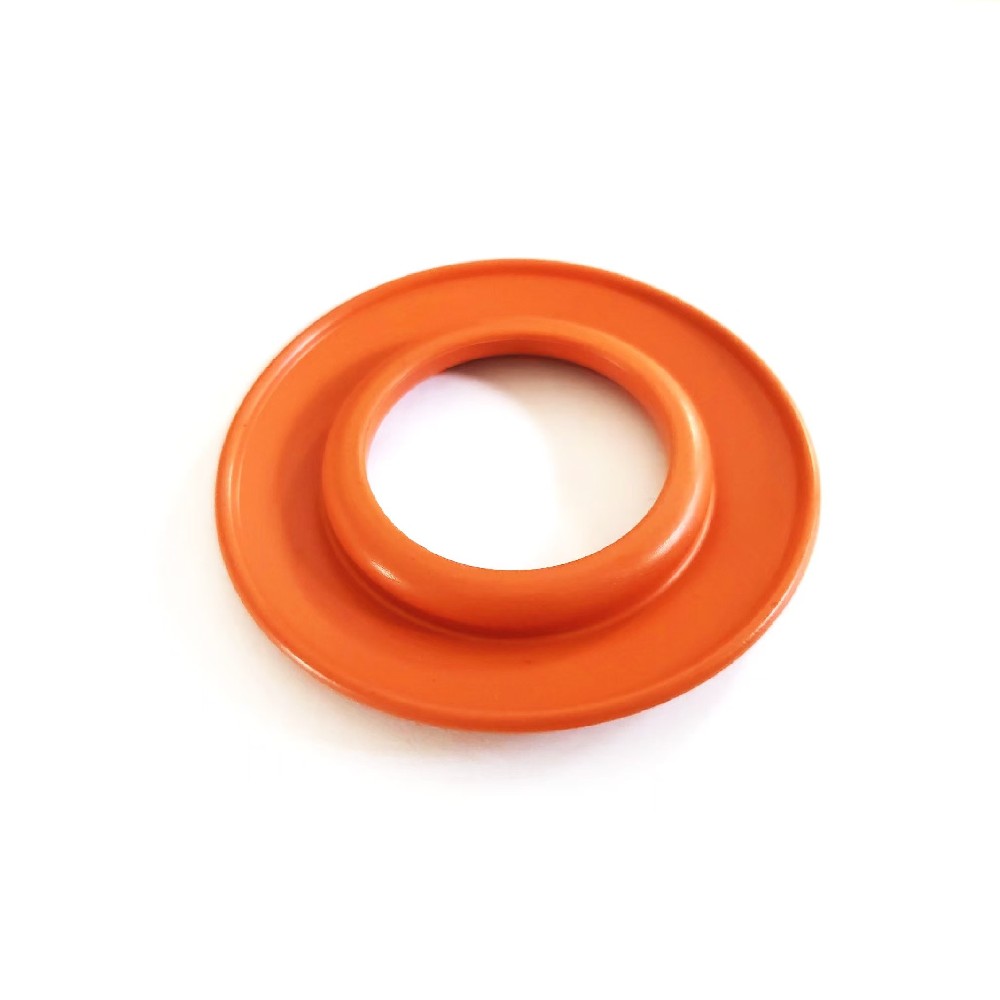 View More
Rubber Check Valve for Automotive Oil Filter - OEM Supplier
-
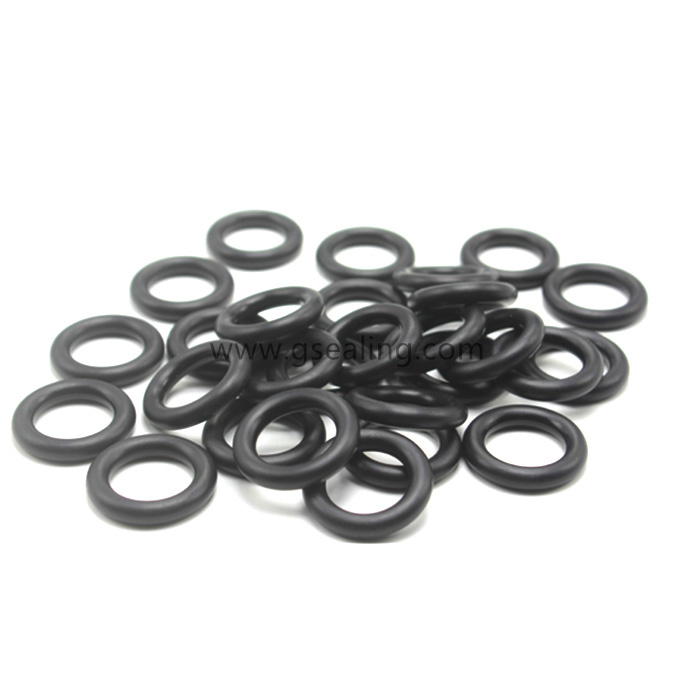 View More
HNBR O-Ring OEM Manufacturer | Hydrogenated Nitrile Seals China
-
 View More
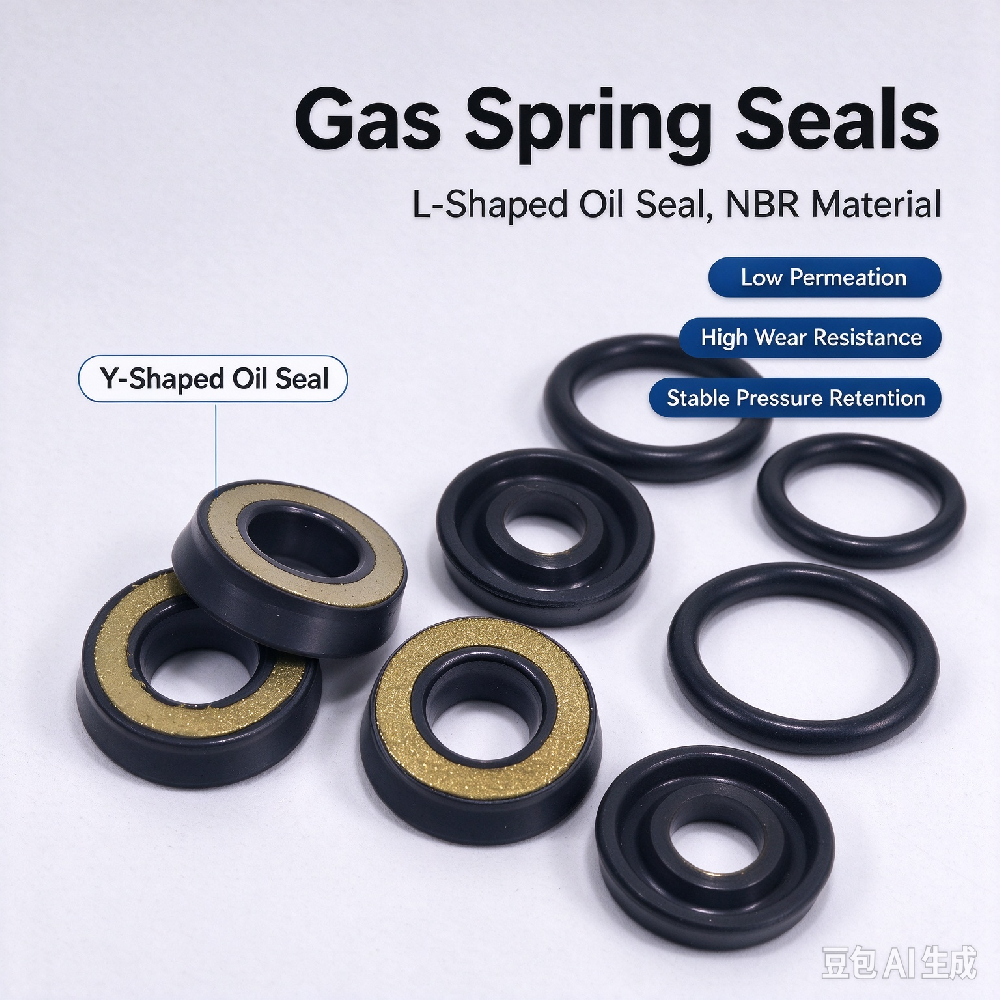
L type Gas Spring Seals /Manufacturer/Factory Supply/OEM high quality
-
 View More
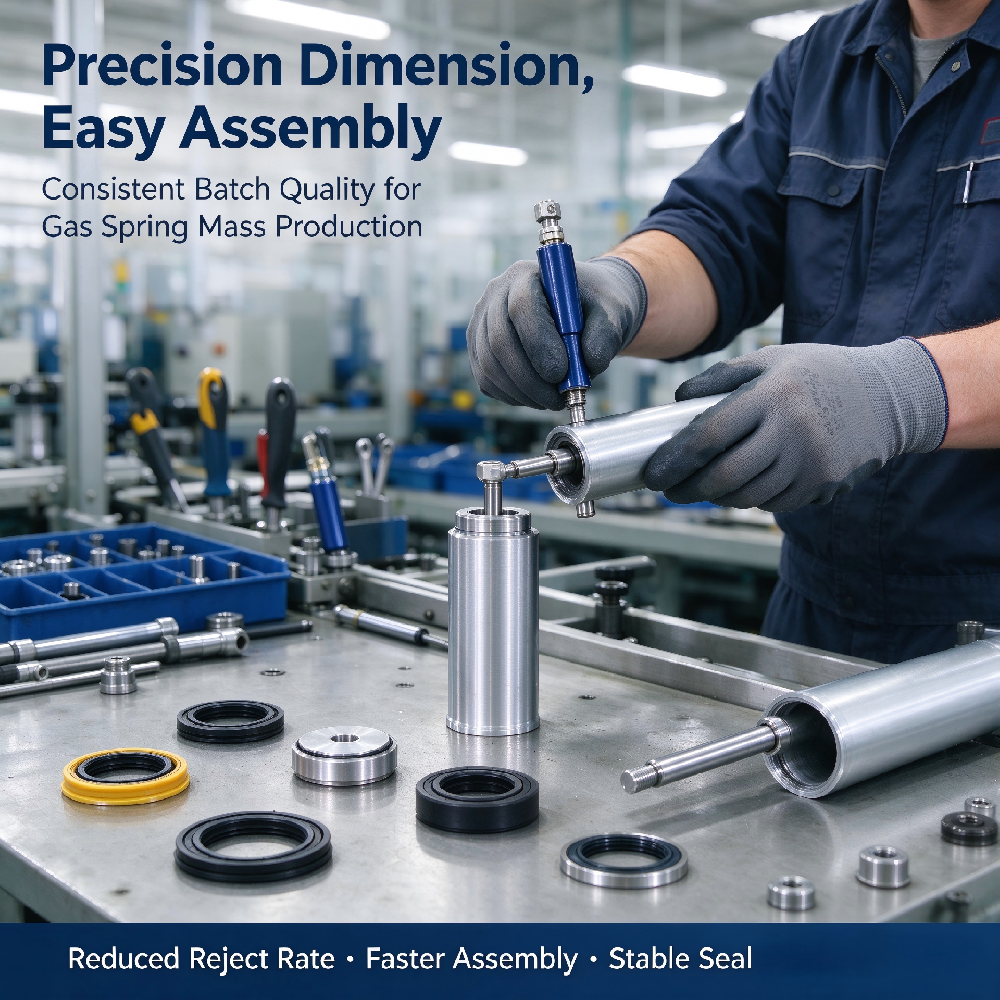
Y-Type High pressure Gas Spring Oil Seal 10×24×3.5mm, OEM Gas Spring Sealing Component for Gas Spring Manufacturers
-
 View More
24898 (SKF CRWA1) Oil Seal|Replacement for SKF Part Number 24898
-
 View More
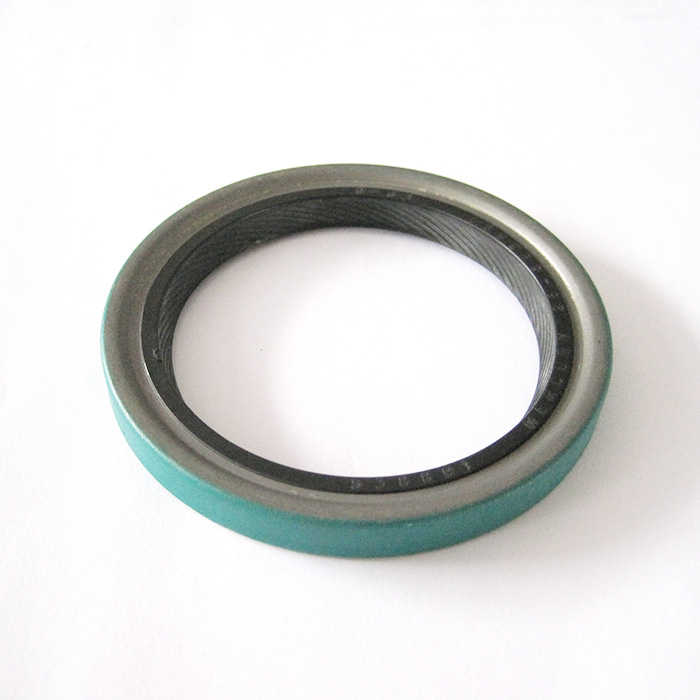
24863 Radial Shaft Oil Seals Single Lip withe metal case
-
 View More
TC Rubber Lip Oil Seal Manufacturer | TC Type Oil Seal Supplier
-
 View More
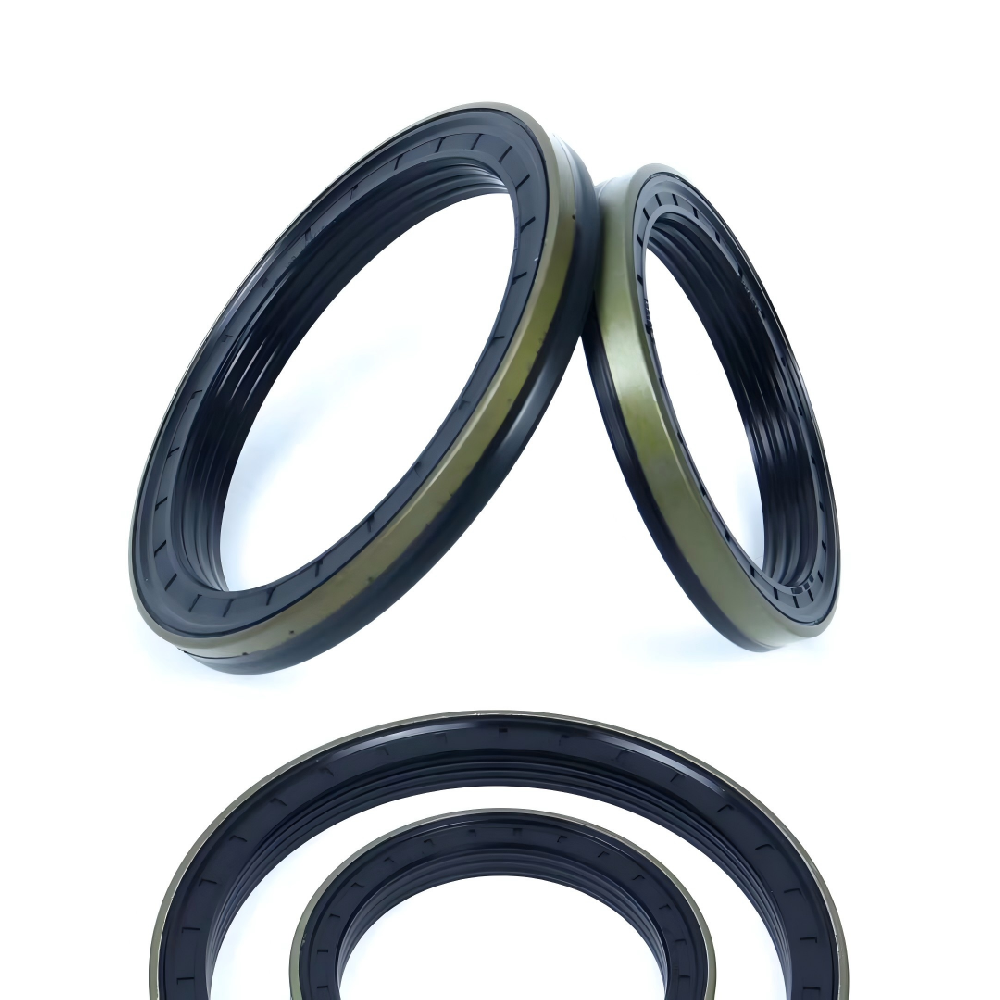
John Deere RWDR Cassette Oil Seal - OEM Manufacturer
-
 View More
Valley Valmont Gearbox Oil Seal - Irrigation OEM Supplier
-
 View More
Custom Shock Absorber Oil Seals | OEM Manufacturer | IATF16949 Damper Seals for OEM Factories

Do you have a question? Feel free to contact!
 Tel:
+8613967511577
Tel:
+8613967511577
 E-mail:
sale@gsealing.com
E-mail:
sale@gsealing.com
 Add:
Cixi,Ningbo ,zhejiang, 312300, China.
Add:
Cixi,Ningbo ,zhejiang, 312300, China. 
Copyright © YIWU GREAT SEAL RUBBER PRODUCTS COMPANY All rights reserved.
OEM Rubber Driving belts Manufacturers
