

The Critical Role of the Rubber Check Valve in Automotive Oil Filters
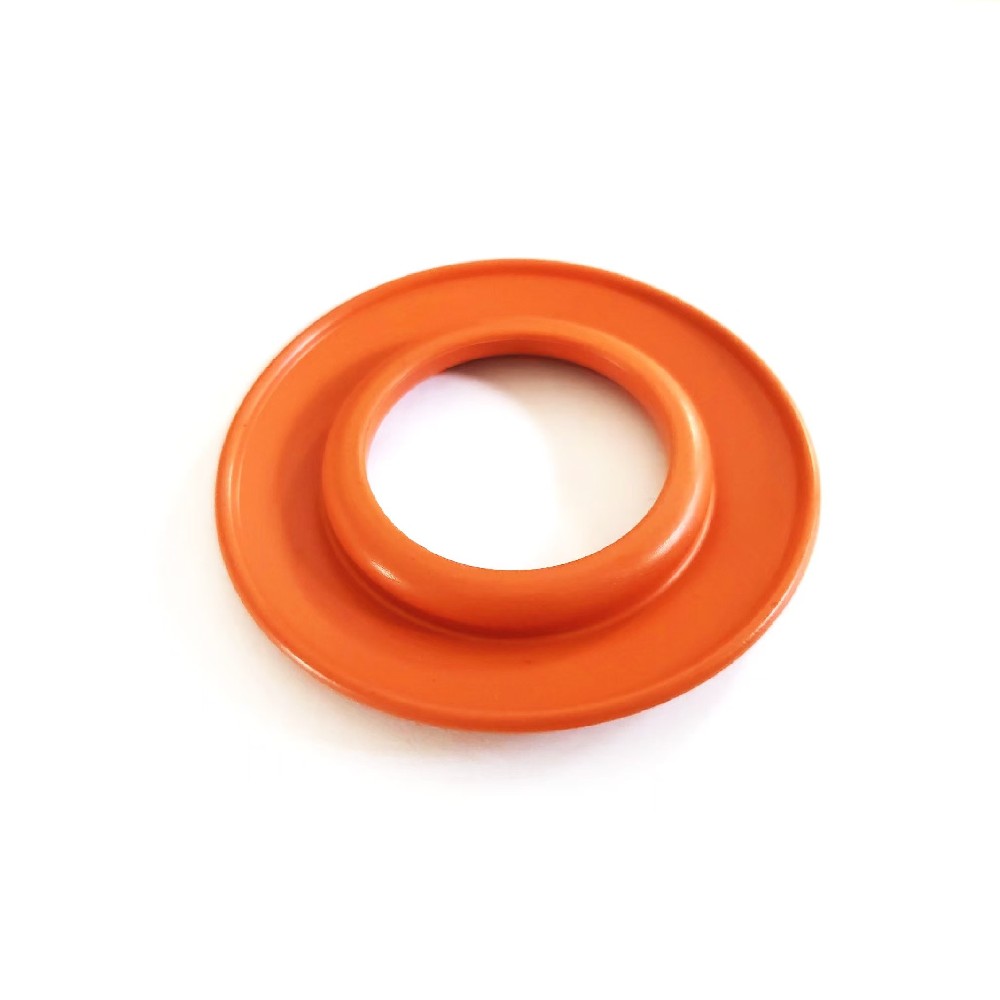
When you screw a new oil filter onto your engine, you are holding a piece of precision engineering. While most people focus on the filter media, there is a small but mighty component inside that plays a huge role in your engine's longevity: the rubber check valve, also known as the anti-drain back valve.
In this article, we will explore what this component does, why the rubber material is critical for its function, and how it protects your engine from the destructive effects of "dry starts."
What is a Check Valve in an Oil Filter?
In the context of an automotive lubrication system, the check valve (often referred to in technical literature as a "backflow suppression valve") is a one-way device located inside the oil filter
Its primary job is simple: prevent the oil from draining out of the filter when the engine is turned off.
When you shut down your engine, the oil pan sits at the bottom of the engine. Gravity wants to pull the oil from the filter and the upper engine passages back down into the pan. Without a check valve, the oil filter would empty out. This means that when you start the engine the next morning, the oil pump has to refill the filter before it can send oil to the bearings and valvetrain. This delay causes a few seconds of metal-on-metal contact, known as a "dry start."
How It Works: The Rubber Mechanism
The magic of this valve lies in its simplicity and the properties of rubber. There are two common designs for this type of valve:
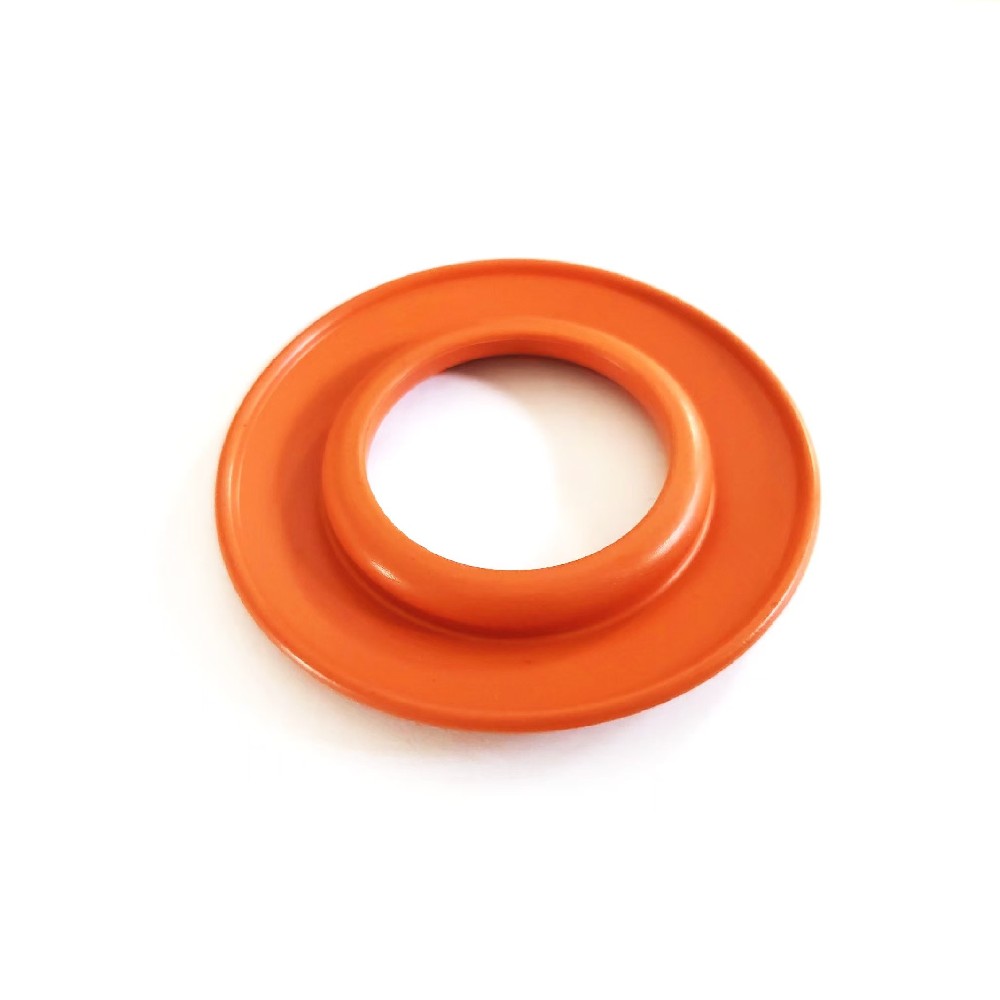
The Flat Silicone/Fluorocarbon Disc: This is the most common design in spin-on filters. It consists of a thin, flexible rubber disc that sits over the inlet ports around the perimeter of the filter's base plate. When the engine runs, oil pressure easily pushes this disc aside to let oil enter the filter. When the engine stops, oil attempting to drain back out pushes the disc flat against the ports, creating an instant seal
The Duckbill Valve: In some specific applications, particularly in filter modules or bypass systems, a "duckbill" style rubber valve might be used. These are self-contained, slit valves that open under forward pressure and close tightly under back pressure
Material Science: Why Rubber?
Choosing the correct rubber compound for an oil filter check valve is a complex materials science challenge. The engine environment is hostile. Temperatures can swing wildly, and the chemical composition of motor oil is aggressive.
Here are the materials commonly used, sourced from industry specifications:
Nitrile Rubber (NBR): This is the standard choice for many aftermarket and OEM filters. NBR offers excellent resistance to oils and fuels at a wide range of temperatures. It provides the flexibility needed for the valve to open easily while maintaining the "memory" to close flat when pressure drops
Fluoroelastomer (FKM/Viton): For high-performance or heavy-duty applications, FKM is used. It can withstand higher temperatures (up to 120°C or more) and is even more resistant to chemical breakdown from synthetic oils
Silicone: While sometimes used for sealing gaskets, silicone's properties are also leveraged in specific valve designs (like duckbills) where low friction and flexibility are required
Bonding is Key
It isn't enough to just have a rubber disc; it must stay in place. Advanced manufacturing processes involve chemically and mechanically bonding the rubber to the metal (or nylon) retainer plate. This ensures that the seal doesn't pop loose under high oil pressure or due to vibration
Consequences of Check Valve Failure
What happens if that little piece of rubber hardens, cracks, or gets debris stuck in it?
Prolonged Dry Starts: Every time you start the car, it takes longer for the oil pressure light to go out.
Increased Wear: The majority of engine wear occurs during startup. If the filter is empty, that wear is exacerbated because the bearings and camshafts are spinning without a protective film of oil.
Clattering Noise: You may hear a momentary clatter from hydraulic lifters or timing tensioners upon startup.
This is why high-quality filters always include this feature. As noted by multiple filtration suppliers, the backflow suppression valve is a hallmark of a "high-quality oil filter," whereas budget filters might omit it entirely to save pennies
Integration with Other Valves
The rubber check valve does not work alone. It is part of a trio of protection inside your oil filter assembly:
The Check Valve (Anti-Drain Back): Keeps the filter full when off.
The Bypass Valve (Relief Valve): If the filter gets clogged or the oil is too thick (viscous) in extreme cold, this valve opens to allow unfiltered oil to flow directly to the engine. This ensures lubrication in an emergency, even if it means sacrificing filtration temporarily
The Base Gasket: The large rubber o-ring that seals the filter to the engine block, preventing external leaks
Conclusion
The rubber check valve may be a small and inexpensive component, but its role in preserving engine life is immense. It ensures that oil is ready and waiting the moment your starter turns the key.
When selecting an oil filter for your vehicle, don't just look at the micron rating of the paper. Ensure that the filter is equipped with a high-quality, oil-resistant rubber check valve. Whether it's made from durable NBR or high-temperature FKM, this rubber component is your engine's first line of defense against start-up wear.
Hot Products
-
 View More
-
 View More
PTFE Lip Oil Seals for Air Compressor - Professional Manufacturer Supply
-
 View More
Bearing Seals & Gaskets Manufacturer - China OEM Factory Supplier
-
 View More
Magnetic Seals | Magnetic Abs OEM Bearing Seals China Manufacturer
-
 View More
EPDM Rubber O-Ring Seal Factory | Custom Sizes China Manufacturer
-
 View More
Rubber Check Valve for Automotive Oil Filter - OEM Supplier
-
 View More
HNBR O-Ring OEM Manufacturer | Hydrogenated Nitrile Seals China
-
 View More
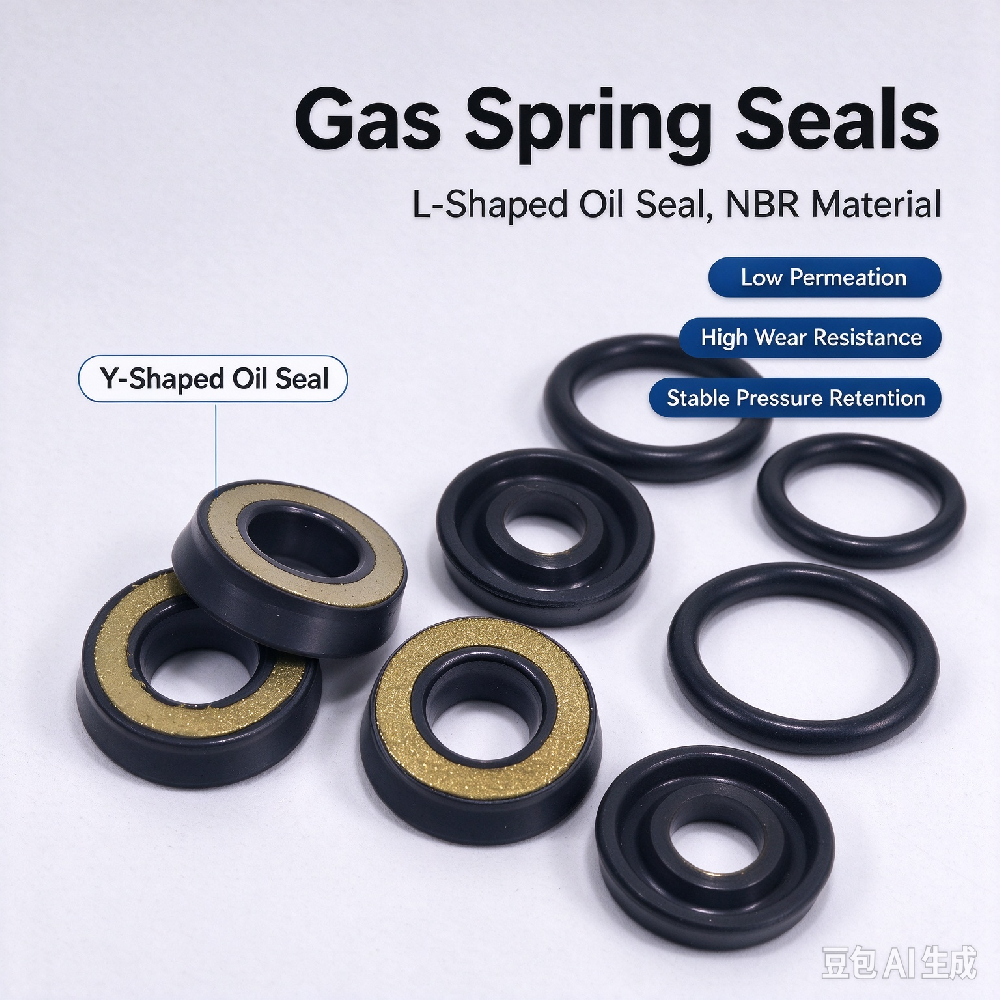
L type Gas Spring Seals /Manufacturer/Factory Supply/OEM high quality
-
 View More
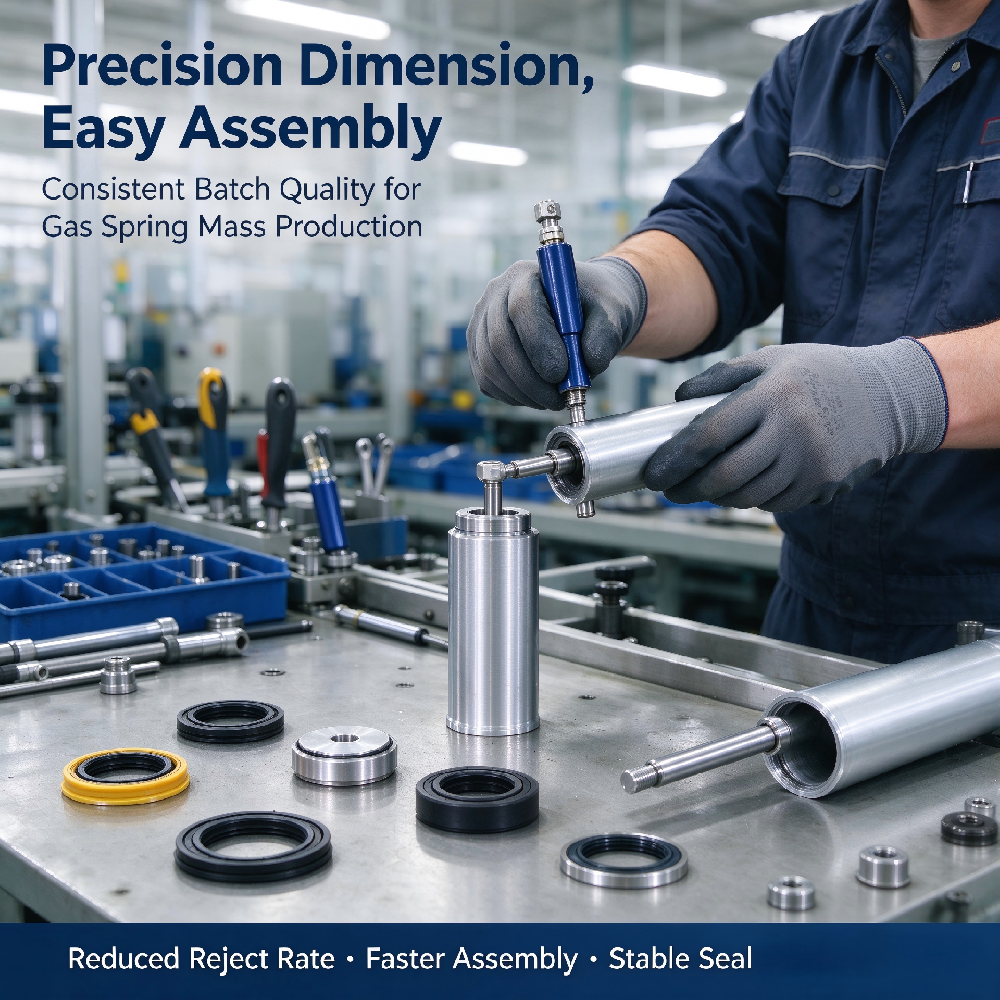
Y-Type High pressure Gas Spring Oil Seal 10×24×3.5mm, OEM Gas Spring Sealing Component for Gas Spring Manufacturers
-
 View More
24898 (SKF CRWA1) Oil Seal|Replacement for SKF Part Number 24898
-
 View More
24863 Radial Shaft Oil Seals Single Lip withe metal case
-
 View More
TC Rubber Lip Oil Seal Manufacturer | TC Type Oil Seal Supplier
-
 View More
John Deere RWDR Cassette Oil Seal - OEM Manufacturer
-
 View More
Valley Valmont Gearbox Oil Seal - Irrigation OEM Supplier
-
 View More
Custom Shock Absorber Oil Seals | OEM Manufacturer | IATF16949 Damper Seals for OEM Factories

Do you have a question? Feel free to contact!
 Tel:
+8613967511577
Tel:
+8613967511577
 E-mail:
sale@gsealing.com
E-mail:
sale@gsealing.com
 Add:
Cixi,Ningbo ,zhejiang, 312300, China.
Add:
Cixi,Ningbo ,zhejiang, 312300, China. 
Copyright © YIWU GREAT SEAL RUBBER PRODUCTS COMPANY All rights reserved.
OEM Rubber Driving belts Manufacturers
