

How to Check Hub Bearing Seal Quality | GREAT SEAL Guide
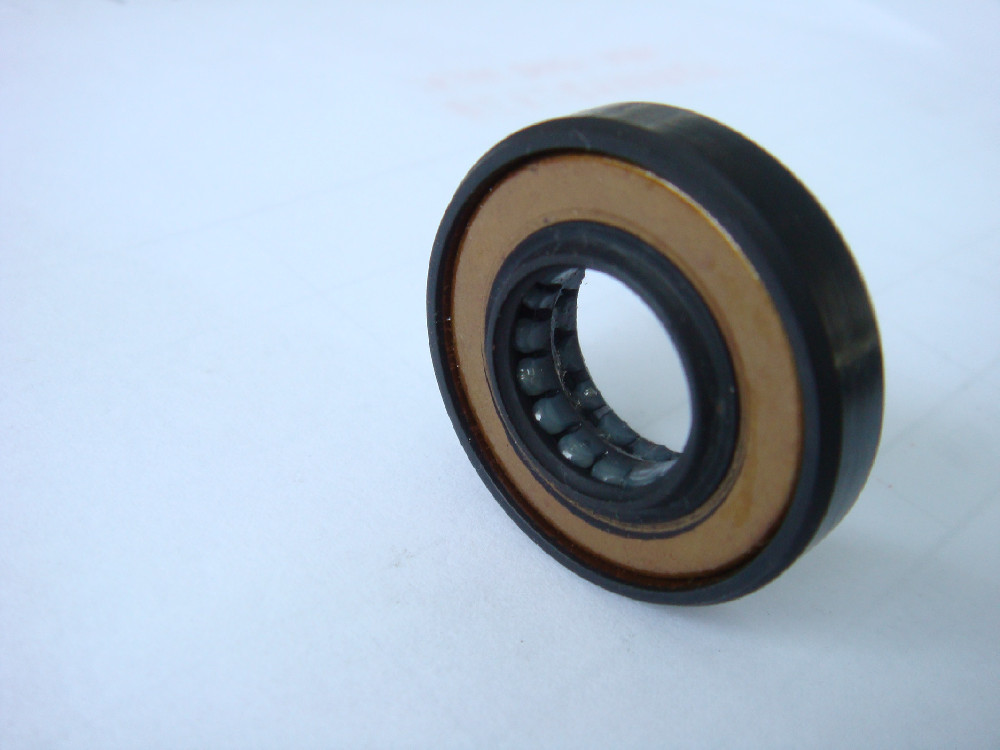
I. Preliminary Judgment (Looking and Touching)
This is the most direct preliminary assessment method that requires no specialized tools.
1. Look at the Material and Elasticity:
High-quality bearing seal: The material is fine, uniform, and glossy (usually made of fluorocarbon rubber (FKM) or high-performance nitrile rubber (NBR)). When pinched, pulled, or twisted by hand, it feels highly flexible and rebounds quickly and forcefully. It immediately returns to its original shape without permanent deformation.
Low-quality seal: The material is coarse, may contain impurities, and appears dull or uneven in color. It feels hard, brittle, or overly soft to the touch. It rebounds slowly after stretching and may even show white crease marks, indicating the rubber has aged or contains excessive filler.
2. Look at the Lip (Sealing Edge):
High-quality seal: The edges of the main lip and auxiliary lips are very smooth, even, and free of burrs. Touching the lip feels as smooth as silk. This is crucial for ensuring tight contact with the bearing's rotating surface and low friction.
Low-quality seal: The lip edges may be uneven, with flash, burrs, or visible roughness. Such seals not only perform poorly but also accelerate wear on both themselves and the bearing contact surface.
3. Look at the Spring:
High-quality seal: The spring inside the lip (called the garter spring) has a bright surface, uniform spacing between coils, smooth butted ends, and no sharp tips. The spring's tension is key to ensuring the lip continuously hugs the shaft.
Low-quality seal: The spring might be rusty (if not stainless steel), lack sufficient tension, or easily deform or fall off with a light touch.
4. Look at the Overall Structure:
High-quality seal: The metal casing (if present) is firmly bonded to the rubber part, with no gaps or signs of separation. The overall shape of the seal is regular and not deformed.
Low-quality seal: There might be signs of adhesive overflow or poor bonding at the junction between the metal casing and the rubber.
II. Performance and Design Judgment (Requires More Professional Knowledge)
This part involves the design and materials science of the seal, which is key to distinguishing between high-end and low-end products.
1. Material Selection:
Best Material: Fluorocarbon Rubber (FKM/Viton). Offers excellent resistance to high temperatures (above 200°C), oil, chemicals, and aging. It is the preferred choice for high-performance hub bearings, especially for front wheels where brake heat is significant.
Mainstream High-Quality Material: High-Performance Nitrile Rubber (NBR) bearing seals. Has good oil and wear resistance. It is less expensive than FKM and suitable for normal use in most vehicles.
Be Cautious Of: Ordinary or inferior rubber, which has poor heat and oil resistance, tending to harden and crack easily in high-temperature and lubricating oil environments.
2. Structural Design:
High-Quality Design: Employs a multi-lip design (e.g., main lip, dust lip) creating multiple barriers, effectively preventing the ingress of external dust and mud/water, while preventing internal grease leakage. The lip shape might be optimized hydrodynamically to better shed water and debris.
Simple Design: Single-lip design offers limited protection and a relatively shorter service life.
3. Manufacturing Process:
High-Quality Process: Uses single-step molding technology, where the metal casing and rubber become an integral unit with high bond strength and reliable sealing performance.
Low-Quality Process: Might involve secondary bonding, where the joint can easily become a point of failure.
Hot Products
-
 View More
-
 View More
PTFE Lip Oil Seals for Air Compressor - Professional Manufacturer Supply
-
 View More
Bearing Seals & Gaskets Manufacturer - China OEM Factory Supplier
-
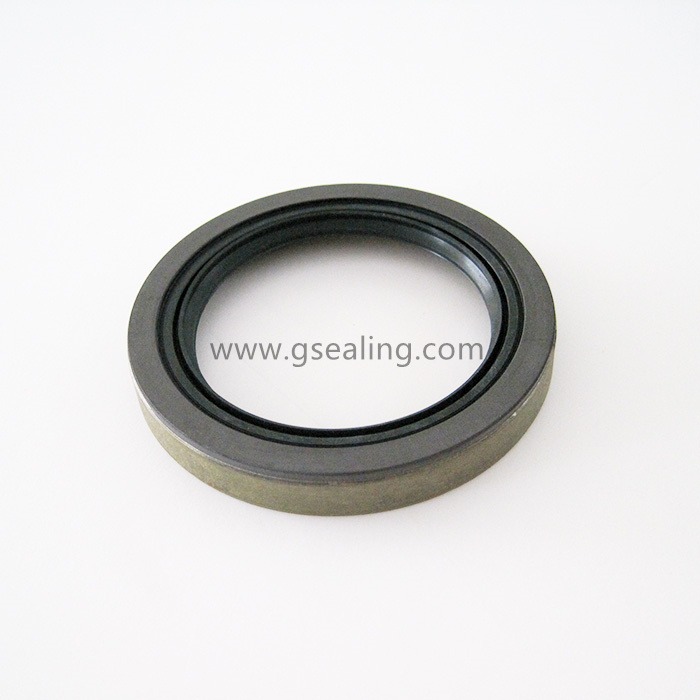 View More
Magnetic Seals | Magnetic Abs OEM Bearing Seals China Manufacturer
-
 View More
EPDM Rubber O-Ring Seal Factory | Custom Sizes China Manufacturer
-
 View More
Rubber Check Valve for Automotive Oil Filter - OEM Supplier
-
 View More
HNBR O-Ring OEM Manufacturer | Hydrogenated Nitrile Seals China
-
 View More
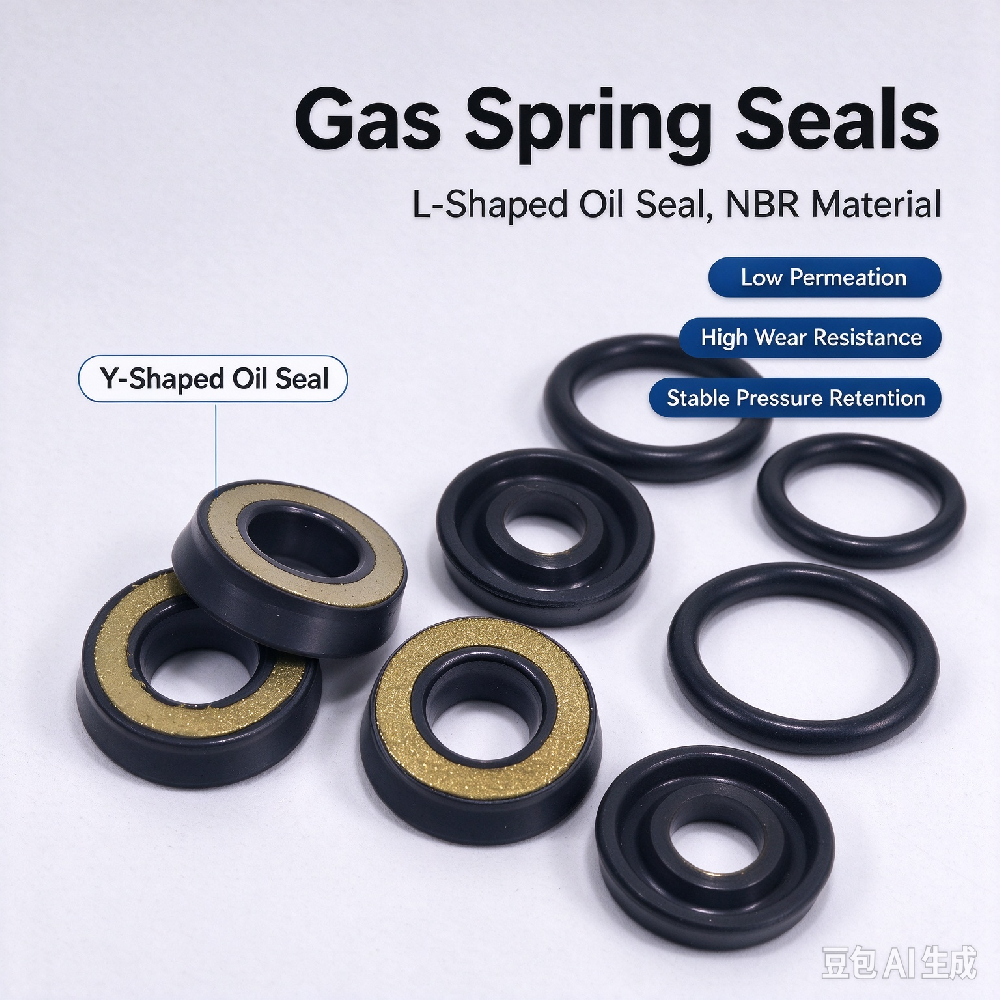
L type Gas Spring Seals /Manufacturer/Factory Supply/OEM high quality
-
 View More
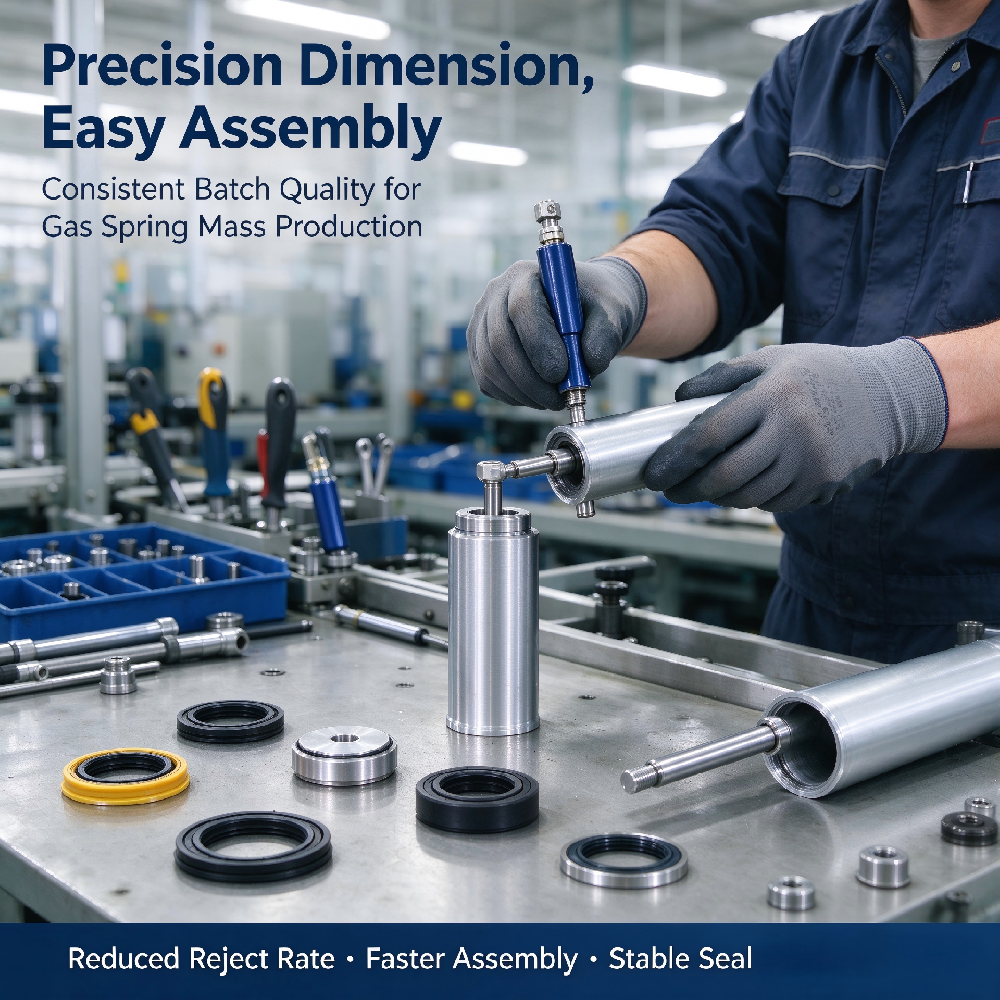
Y-Type High pressure Gas Spring Oil Seal 10×24×3.5mm, OEM Gas Spring Sealing Component for Gas Spring Manufacturers
-
 View More
24898 (SKF CRWA1) Oil Seal|Replacement for SKF Part Number 24898
-
 View More
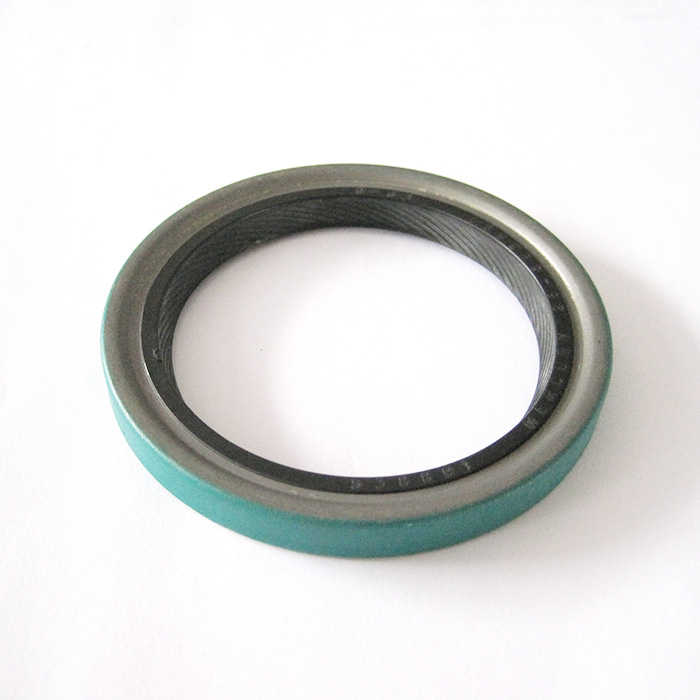
24863 Radial Shaft Oil Seals Single Lip withe metal case
-
 View More
TC Rubber Lip Oil Seal Manufacturer | TC Type Oil Seal Supplier
-
 View More
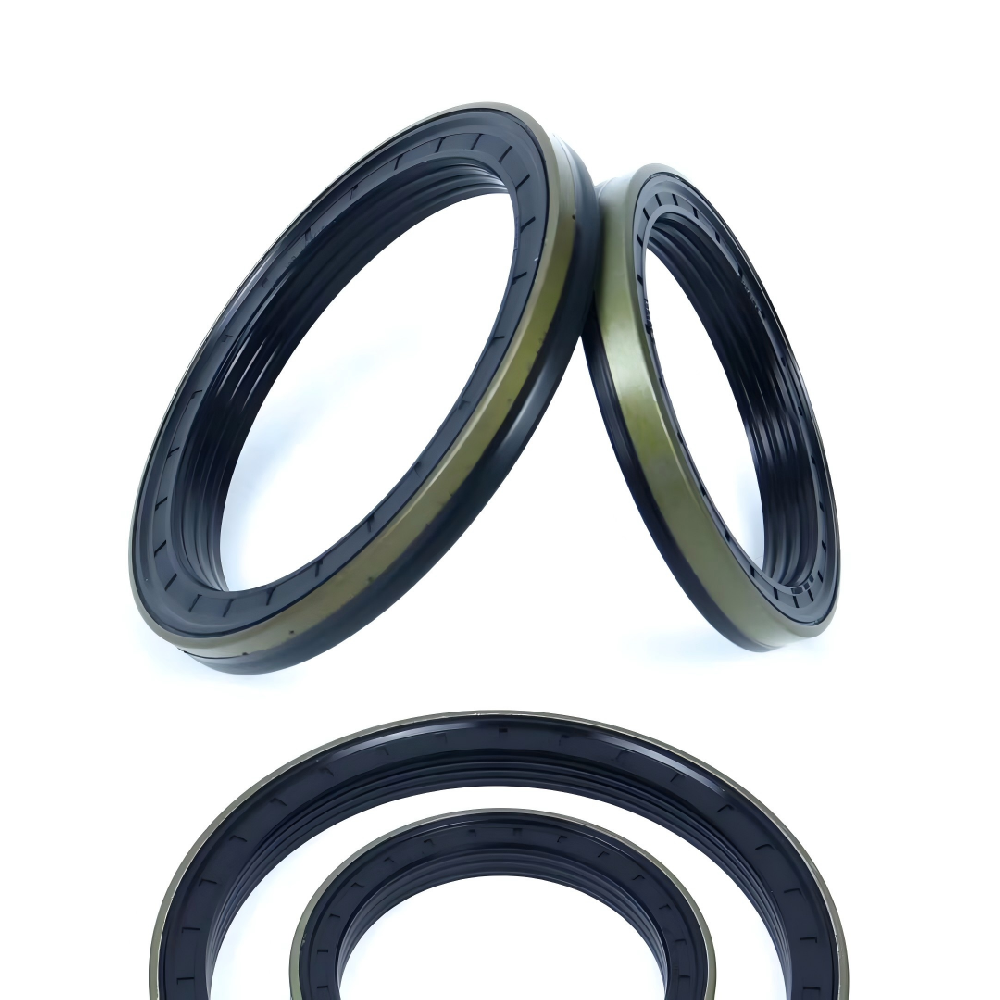
John Deere RWDR Cassette Oil Seal - OEM Manufacturer
-
 View More
Valley Valmont Gearbox Oil Seal - Irrigation OEM Supplier
-
 View More
Custom Shock Absorber Oil Seals | OEM Manufacturer | IATF16949 Damper Seals for OEM Factories

Do you have a question? Feel free to contact!
 Tel:
+8613967511577
Tel:
+8613967511577
 E-mail:
sale@gsealing.com
E-mail:
sale@gsealing.com
 Add:
Cixi,Ningbo ,zhejiang, 312300, China.
Add:
Cixi,Ningbo ,zhejiang, 312300, China. 
Copyright © YIWU GREAT SEAL RUBBER PRODUCTS COMPANY All rights reserved.
OEM Rubber Driving belts Manufacturers
