

The Critical Role of PTFE Lip Oil Seals in Modern Air Compressors
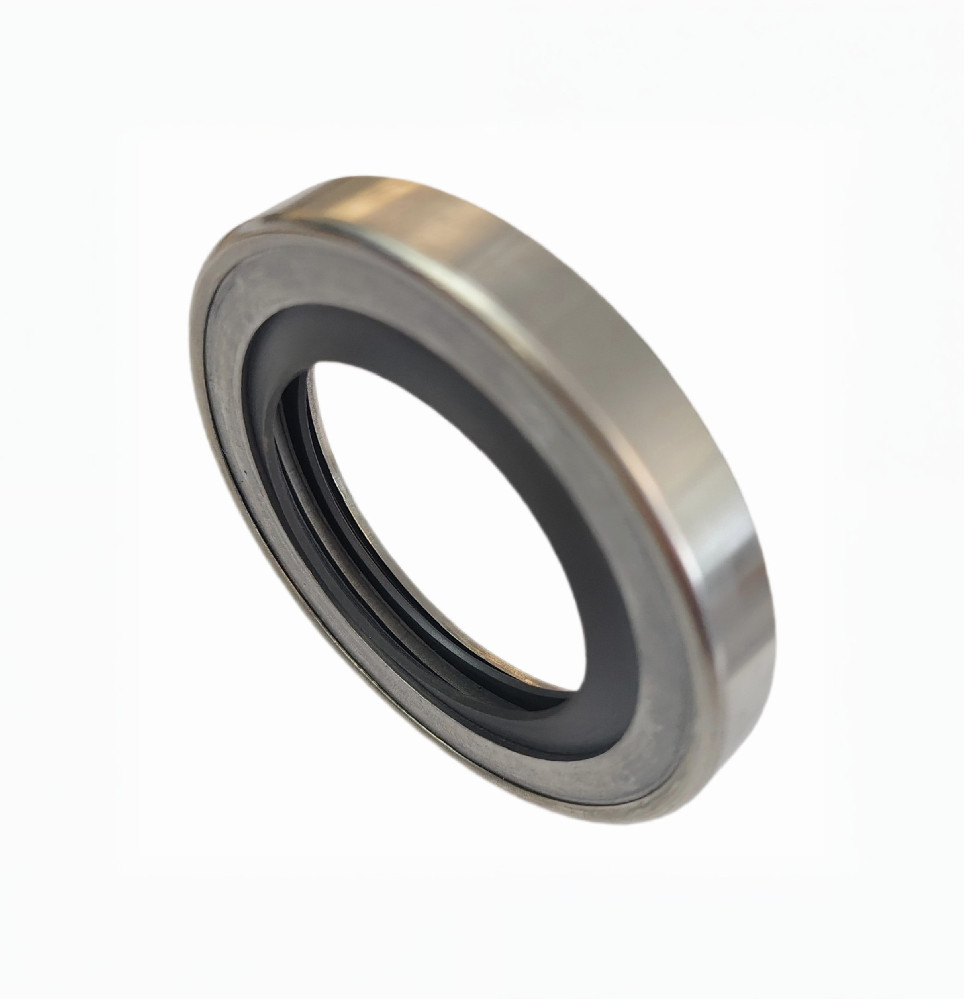
If you operate rotary screw air compressors, you already know they are the workhorses of industrial production. But inside these powerful machines lies a small, highly engineered component that dictates whether your system runs smoothly or suffers catastrophic downtime: the shaft seal.
Standard rubber elastomeric seals often degrade rapidly under the brutal conditions of an active compressor. That is why high-performance systems rely heavily on PTFE (Polytetrafluoroethylene) lip oil seals.
Let's break down the science of why this specific material and design are vital for protecting your compressed air infrastructure.
The Hostile Environment Inside an Air Compressor
To understand why PTFE is preferred, we must look at what a rotary screw compressor shaft seal faces every second of operation:
Extreme Thermal Load: Friction and air compression generate intense heat, easily pushing localized shaft temperatures past $110^circ ext{C}$ to $150^circ ext{C}$ ($230^circ ext{F}$ to $300^circ ext{F}$).
Aggressive Lubricants: Modern compressors use high-end synthetic oils (like Polyalkylene Glycols or PAOs) to keep components lubricated. These oils chemically attack and swell common rubbers like NBR (Nitrile).
High Surface Speeds: Rotary shafts spin at thousands of RPMs. The linear surface speed at the seal lip creates immense localized friction.
Traditional rubber seals rely on a tiny metal garter spring to squeeze the shaft. At high temperatures and speeds, that rubber hardens, cracks, and grooves the shaft, leading to immediate oil leaks and expensive pressure loss.
Why PTFE Lip Seals Are Engineered Differently
PTFE—often recognized by its trade name, Teflon—possesses unique molecular properties that solve these exact pain points.
Unlike standard rubber seals, a PTFE seal features a wide, pre-formed hydrodynamic lip that hugs the shaft without needing a metal spring. Look closely at the image above: the geometric lip bend expands the surface contact area, distributing pressure perfectly.
1. Unmatched Chemical and Thermal Tolerance
PTFE remains entirely stable at continuous operating temperatures ranging from $-60^circ ext{C}$ up to $+250^circ ext{C}$. Furthermore, it is chemically inert. Whether your compressor uses mineral oils or aggressive synthetic fluids, a PTFE lip seal will not degrade, swell, or harden.
2. Low Friction and Self-Lubricating Behavior
PTFE has one of the lowest coefficients of friction of any solid material. During the initial startup phase—before compressor oil fully reaches the shaft—standard rubber seals can burn up due to "dry running." PTFE seals naturally resist this wear, self-lubricating to protect both the seal and the costly metal shaft from scoring.
3. Hydrodynamic Sealing Feature
High-quality compressor seals are manufactured with microscopic, spiral grooves machined directly onto the PTFE lip. As the shaft spins, these grooves act like a miniature pump, mechanically forcing escaping oil back into the compressor core.
Common Configurations: Single vs. Dual Lip
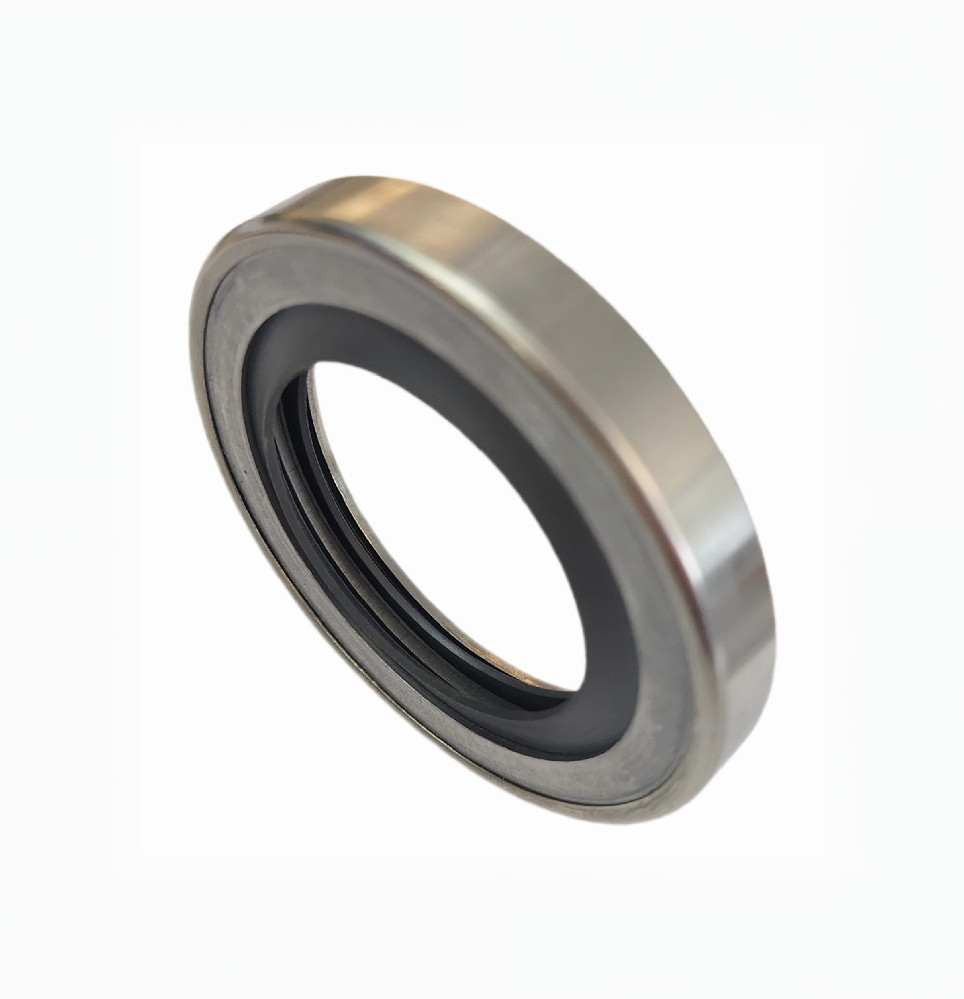
Depending on your specific air compressor's operating pressure and environment, you will generally see two primary designs:
Best Practices for Installation
Even the highest-grade PTFE lip seal will leak if installed incorrectly. Because PTFE is rigid and lacks the elasticity of rubber, it requires precise handling.
Crucial Rule: Never stretch a PTFE lip seal over a sharp shaft shoulder or keyway without an installation sleeve.
Always clean the shaft thoroughly and ensure it is free of scratches. Many PTFE seals must be installed completely dry because the lip needs to deposit a microscopic layer of PTFE onto the bare metal shaft during the first few rotations to establish a perfect hydrodynamic bond. Always consult your manufacturer's specific guidelines regarding wet or dry installation.
Hot Products
-
 View More
-
 View More
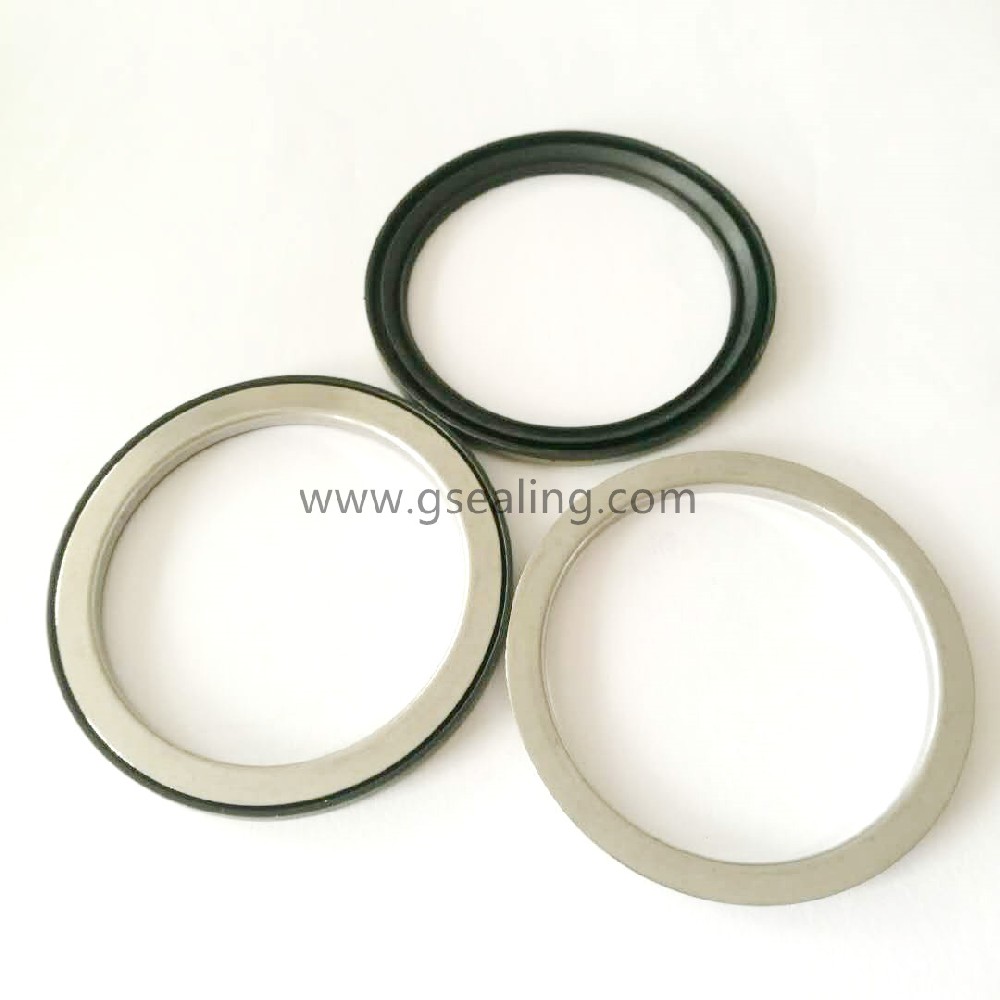
PTFE Lip Oil Seals for Air Compressor - Professional Manufacturer Supply
-
 View More
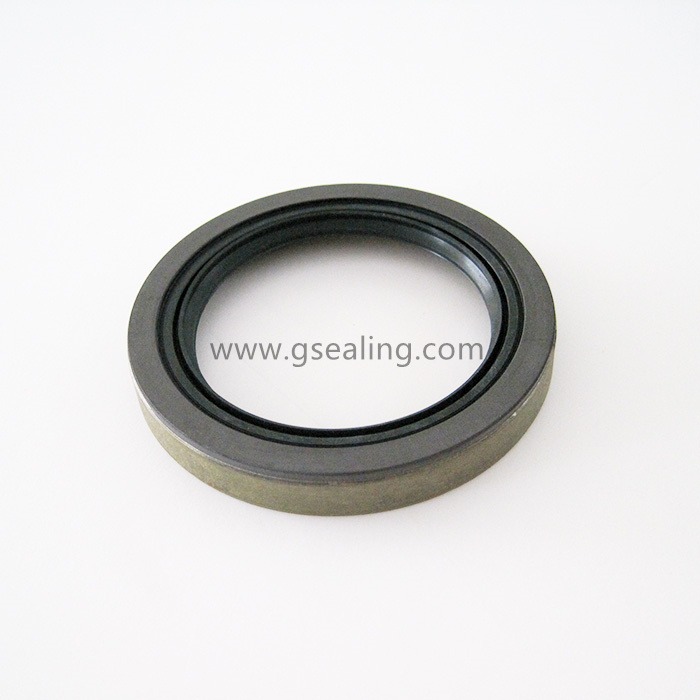
Bearing Seals & Gaskets Manufacturer - China OEM Factory Supplier
-
 View More
Magnetic Seals | Magnetic Abs OEM Bearing Seals China Manufacturer
-
 View More
EPDM Rubber O-Ring Seal Factory | Custom Sizes China Manufacturer
-
 View More
Rubber Check Valve for Automotive Oil Filter - OEM Supplier
-
 View More
HNBR O-Ring OEM Manufacturer | Hydrogenated Nitrile Seals China
-
 View More
L type Gas Spring Seals /Manufacturer/Factory Supply/OEM high quality
-
 View More
Y-Type High pressure Gas Spring Oil Seal 10×24×3.5mm, OEM Gas Spring Sealing Component for Gas Spring Manufacturers
-
 View More
24898 (SKF CRWA1) Oil Seal|Replacement for SKF Part Number 24898
-
 View More
24863 Radial Shaft Oil Seals Single Lip withe metal case
-
 View More
TC Rubber Lip Oil Seal Manufacturer | TC Type Oil Seal Supplier
-
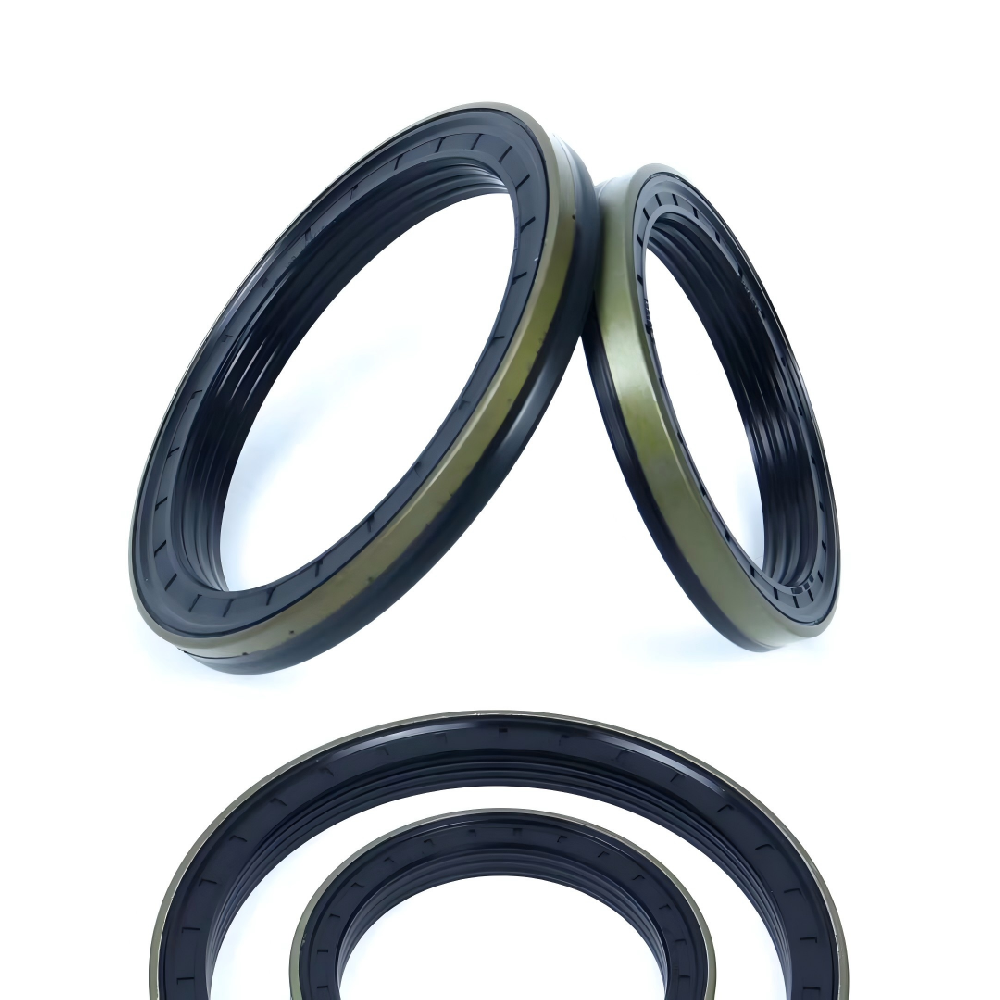 View More
John Deere RWDR Cassette Oil Seal - OEM Manufacturer
-
 View More
Valley Valmont Gearbox Oil Seal - Irrigation OEM Supplier
-
 View More
Custom Shock Absorber Oil Seals | OEM Manufacturer | IATF16949 Damper Seals for OEM Factories

Do you have a question? Feel free to contact!
 Tel:
+8613967511577
Tel:
+8613967511577
 E-mail:
sale@gsealing.com
E-mail:
sale@gsealing.com
 Add:
Cixi,Ningbo ,zhejiang, 312300, China.
Add:
Cixi,Ningbo ,zhejiang, 312300, China. 
Copyright © YIWU GREAT SEAL RUBBER PRODUCTS COMPANY All rights reserved.
OEM Rubber Driving belts Manufacturers
