

Motorcycle Seals 101: Oil Seals, Fork Seals, Dust Seals & More
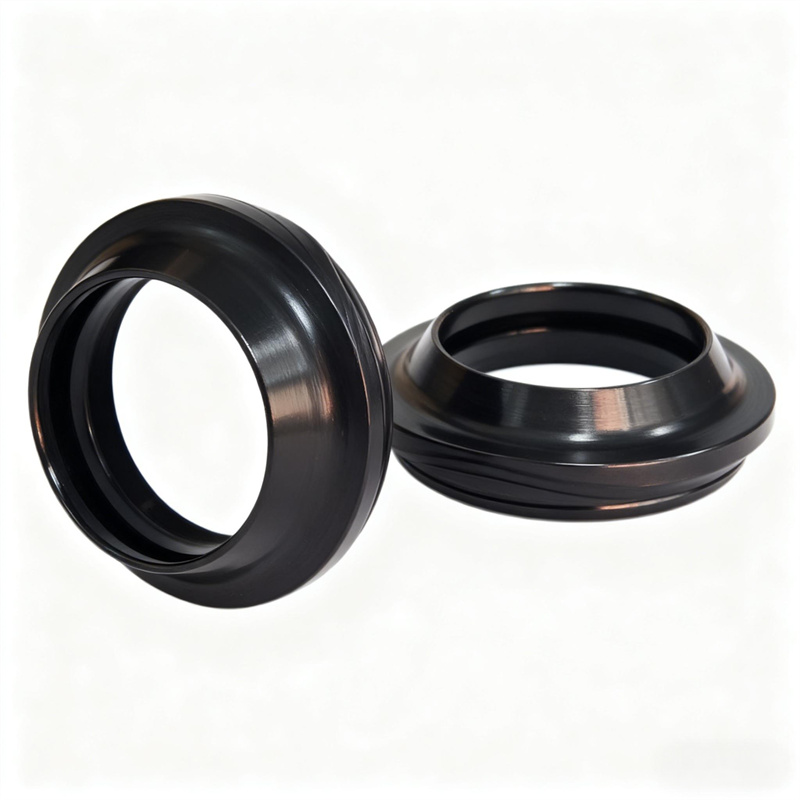
When we think about motorcycle performance, we often picture horsepower, torque, and agile handling. But hidden within the core components of your bike are small, critical parts working tirelessly to keep everything running smoothly: seals. These unsung heroes prevent leaks, keep contaminants out, and maintain pressure. Ignoring them can lead to costly repairs and compromised safety.
Let's demystify the essential seals on your motorcycle: Oil Seals, Fork Seals, Dust Seals, Dust Covers, and TC Seals.
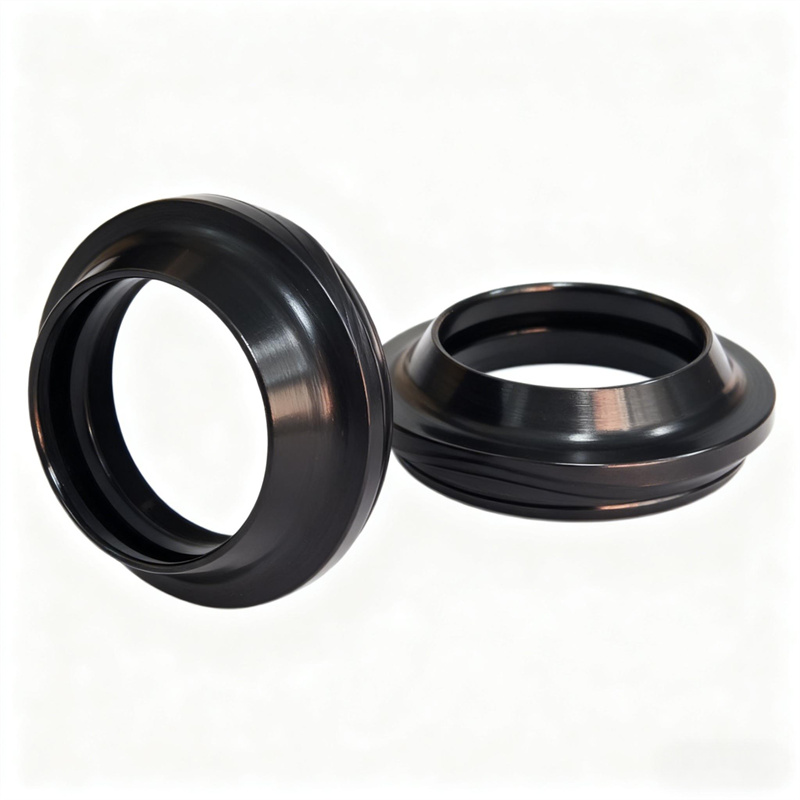
1. Motorcycle Oil Seals: The Guardians of Lubrication
An oil seal, often called a shaft seal, is one of the most common seals on a motorcycle. Its primary job is to prevent lubricating oil or grease from leaking out of a component (like the engine, gearbox, or wheel hubs) while also keeping dirt and water from getting in.
Where you'll find them: Engine crankshafts, countershaft sprockets, wheel bearings, and swingarm pivots.
Why they matter: A failed oil seal can lead to oil dripping onto your rear tire (from the countershaft) or onto your garage floor, causing low oil levels and potential engine damage. In wheel hubs, a failed seal can allow grease to escape and contaminants to ruin the bearings.
2. Fork Seals & Shock Absorber Seals: The Heart of Your Suspension
Your bike's front forks and rear shock absorber are filled with special hydraulic oil. Fork seals and shock absorber seals are precision components that contain this oil under pressure and allow the suspension stanchions to slide smoothly in and out.
Where you'll find them: At the top of the fork lowers (sliders) and on the shaft of the rear shock.
Why they matter: A leaking fork seal is a common issue. It results in oil dripping down the fork leg, which leads to poor suspension performance, reduced damping, and potentially unsafe handling. It also allows dirt to enter the fork internals, causing scoring and wear.
3. Dust Seals & Dust Covers: The First Line of Defense
A dust seal (or dust cover/wiper) often works in tandem with a primary oil seal. Its sole purpose is to block large contaminants like road grime, sand, and water from reaching the more sensitive primary seal behind it.
Where you'll find them: Directly in front of fork seals (forming a "dust seal/fork seal" pair) and on shock absorbers.
How they work: Think of the dust seal as a scraper or wiper. As the suspension compresses and rebounds, it wipes dirt and water off the stanchion tube before it can reach the delicate primary fork seal. A damaged dust seal will drastically shorten the life of the oil seal behind it.
4. TC Oil Seals: Understanding the Design
You might see the term "TC Seal" or "TC Oil Seal." This doesn't refer to a specific motorcycle part but to a common type of seal design. "TC" stands for "Type Case" or "Twin Case," but in practice, it refers to a single-lipped, internally gasketed, metal-encased radial shaft seal.
Key Features:
Single Lip: Has one sealing edge, typically designed to retain oil.
Metal Case: The outer body is made of metal, making it robust and easy to press into a housing.
Internal Gasket: A gasket on the outer metal case helps create a tight seal in the housing bore, preventing leaks around the outside of the seal.
Where you'll find them: This is a very common design used in many of the oil seal applications mentioned above, such as in engines, gearboxes, and wheel hubs.
Maintenance Tips: Recognizing Failure and Ensuring Longevity
Look for Leaks: The most obvious sign of a failed seal is oil residue. Check your fork legs, shock shaft, engine cases, and sprocket area regularly.
Keep it Clean: Frequently clean your fork tubes and shock shaft. A small piece of grit trapped under a dust seal can quickly gouge the chrome surface and destroy the main seal.
Inspect Dust Seals and Covers: Check that rubber dust covers are not cracked, torn, or missing. Ensure dust seals are sitting correctly and are not packed with hardened mud.
Replace in Pairs: When a fork seal fails, it's standard practice to replace both fork seals and dust seals at the same time. This ensures even suspension performance and prevents the other side from failing soon after.
Hot Products
-
 View More
-
 View More
PTFE Lip Oil Seals for Air Compressor - Professional Manufacturer Supply
-
 View More
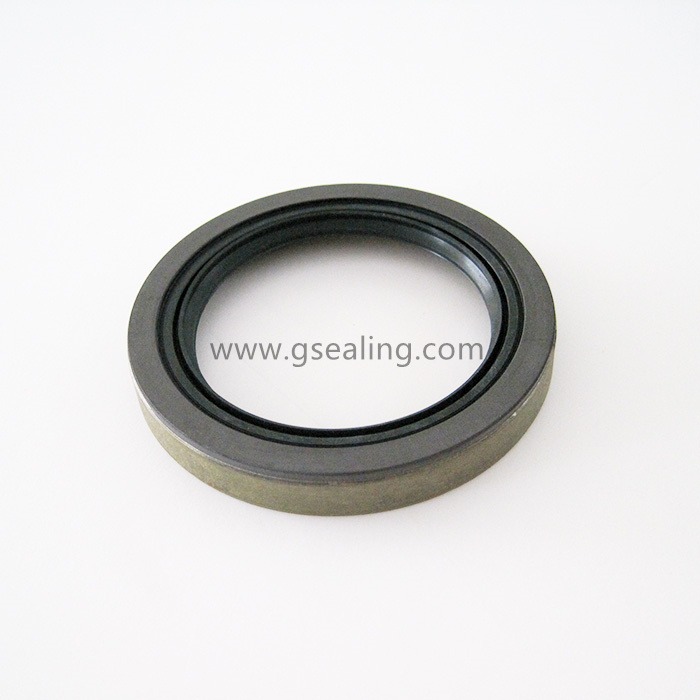
Bearing Seals & Gaskets Manufacturer - China OEM Factory Supplier
-
 View More
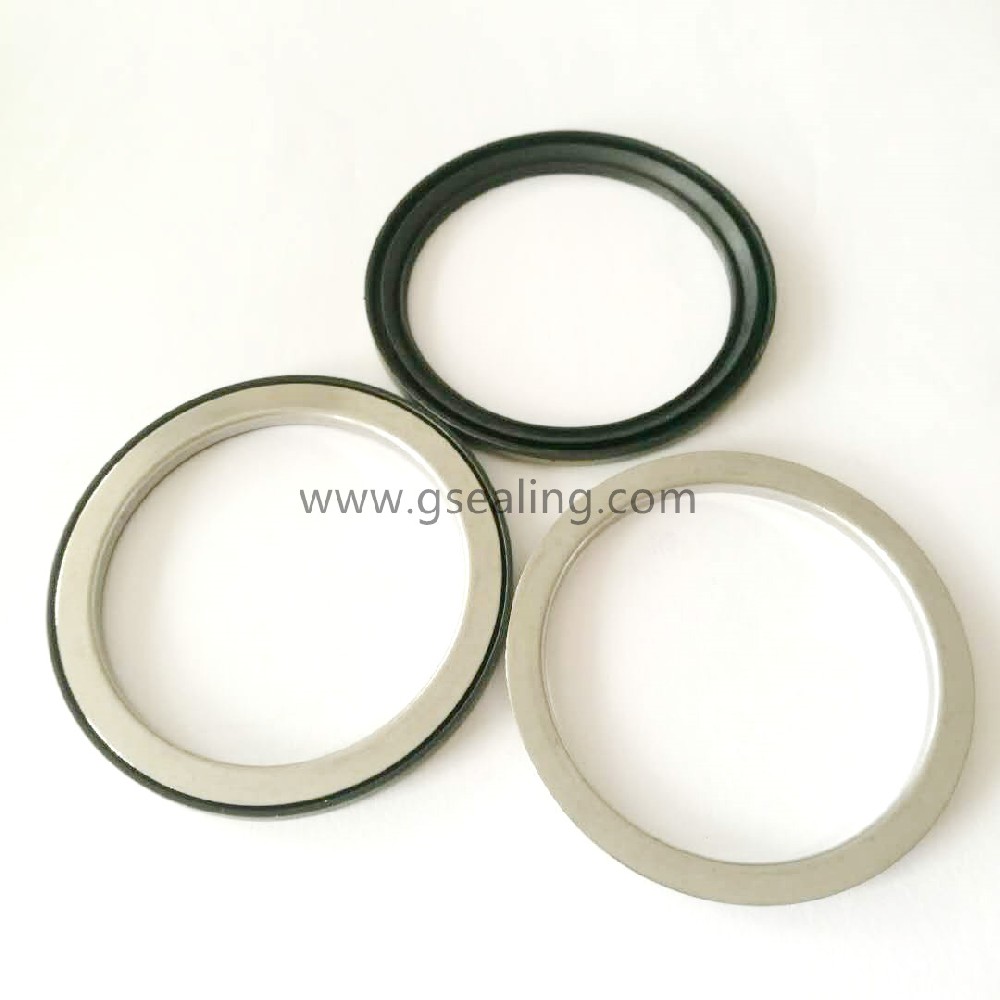
Magnetic Seals | Magnetic Abs OEM Bearing Seals China Manufacturer
-
 View More
EPDM Rubber O-Ring Seal Factory | Custom Sizes China Manufacturer
-
 View More
Rubber Check Valve for Automotive Oil Filter - OEM Supplier
-
 View More
HNBR O-Ring OEM Manufacturer | Hydrogenated Nitrile Seals China
-
 View More
L type Gas Spring Seals /Manufacturer/Factory Supply/OEM high quality
-
 View More
Y-Type High pressure Gas Spring Oil Seal 10×24×3.5mm, OEM Gas Spring Sealing Component for Gas Spring Manufacturers
-
 View More
24898 (SKF CRWA1) Oil Seal|Replacement for SKF Part Number 24898
-
 View More
24863 Radial Shaft Oil Seals Single Lip withe metal case
-
 View More
TC Rubber Lip Oil Seal Manufacturer | TC Type Oil Seal Supplier
-
 View More
John Deere RWDR Cassette Oil Seal - OEM Manufacturer
-
 View More
Valley Valmont Gearbox Oil Seal - Irrigation OEM Supplier
-
 View More
Custom Shock Absorber Oil Seals | OEM Manufacturer | IATF16949 Damper Seals for OEM Factories

Do you have a question? Feel free to contact!
 Tel:
+8613967511577
Tel:
+8613967511577
 E-mail:
sale@gsealing.com
E-mail:
sale@gsealing.com
 Add:
Cixi,Ningbo ,zhejiang, 312300, China.
Add:
Cixi,Ningbo ,zhejiang, 312300, China. 
Copyright © YIWU GREAT SEAL RUBBER PRODUCTS COMPANY All rights reserved.
OEM Rubber Driving belts Manufacturers
